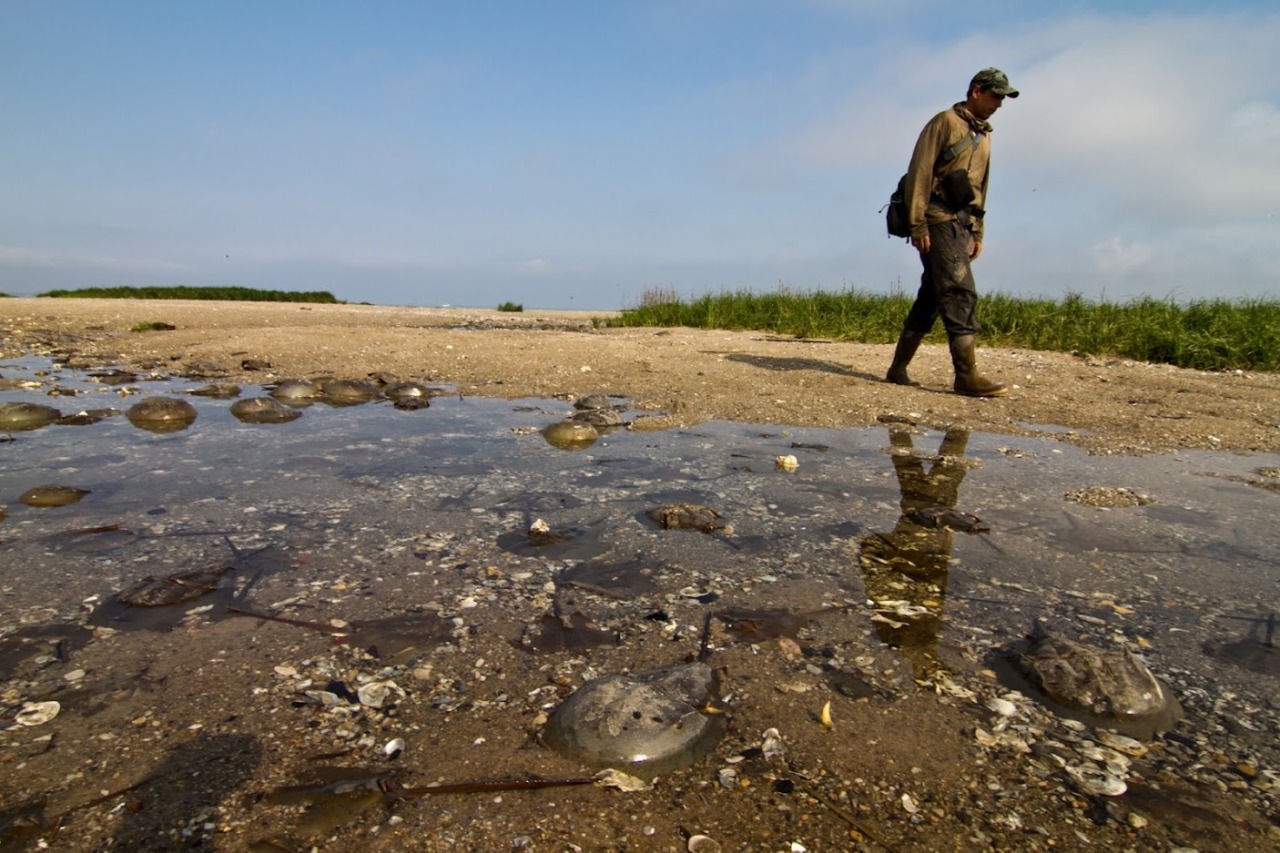
New paper published that evaluates habitat restoration for horseshoe crabs and shorebirds in the Delaware Bay: https://www.int-res.com/abstracts/meps/v645/p91-107/
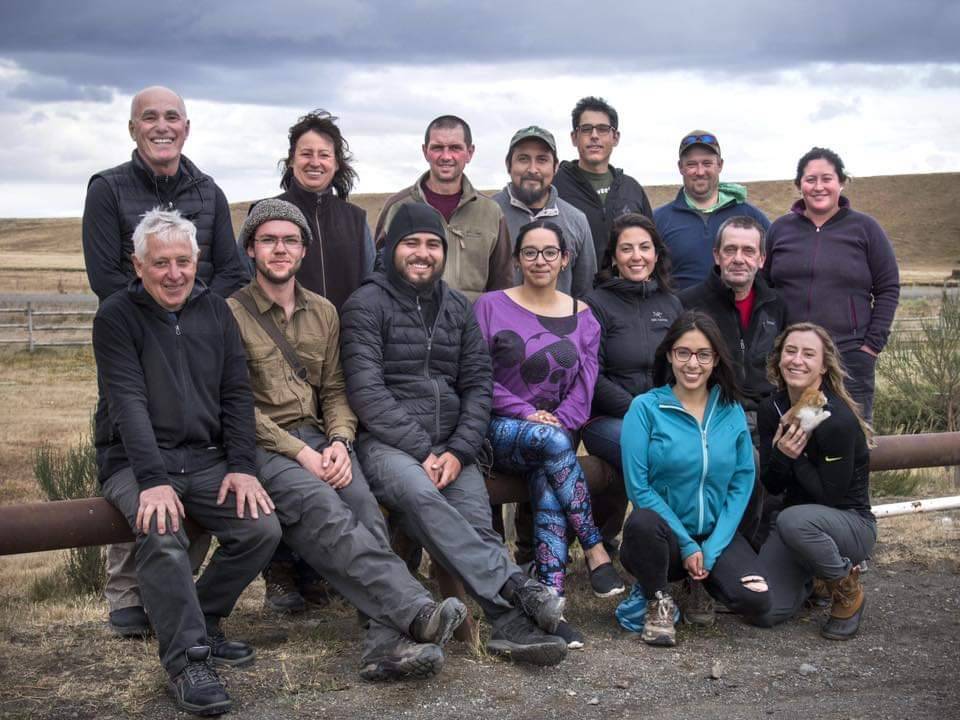
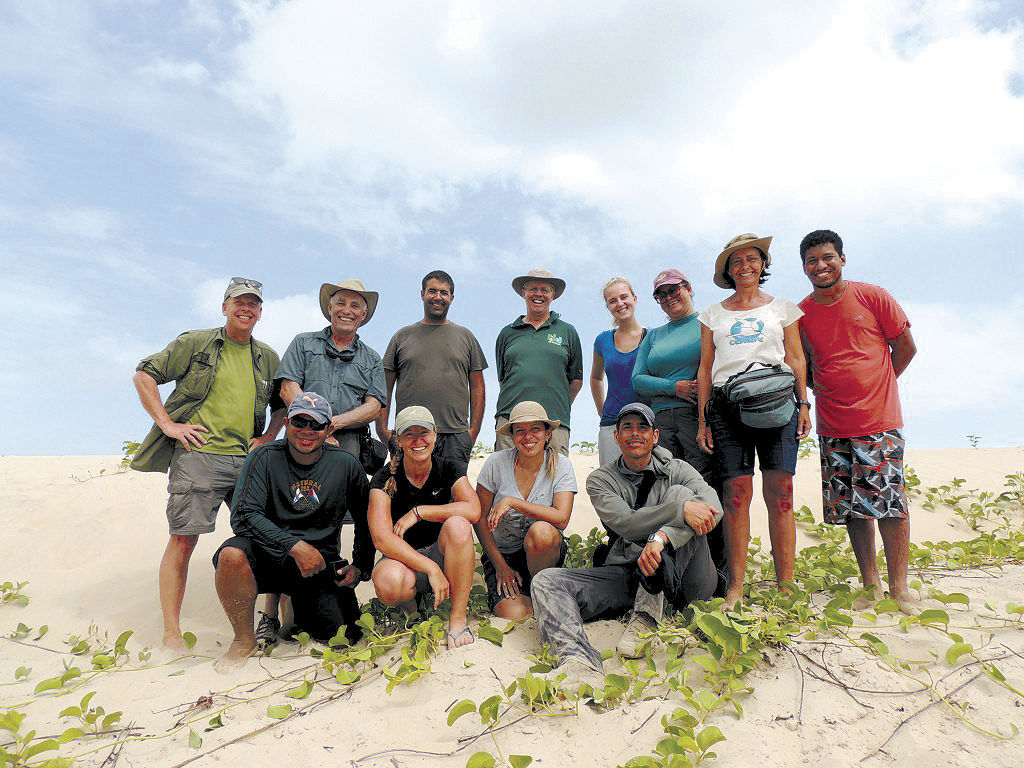
The team from our February 2019 trip to Tierra del Fuego to study wintering shorebirds. Project partners are Centro Bahia Lomas, Bird Studies Canada, Rutgers University and Wildlife Restoration Partnerships.
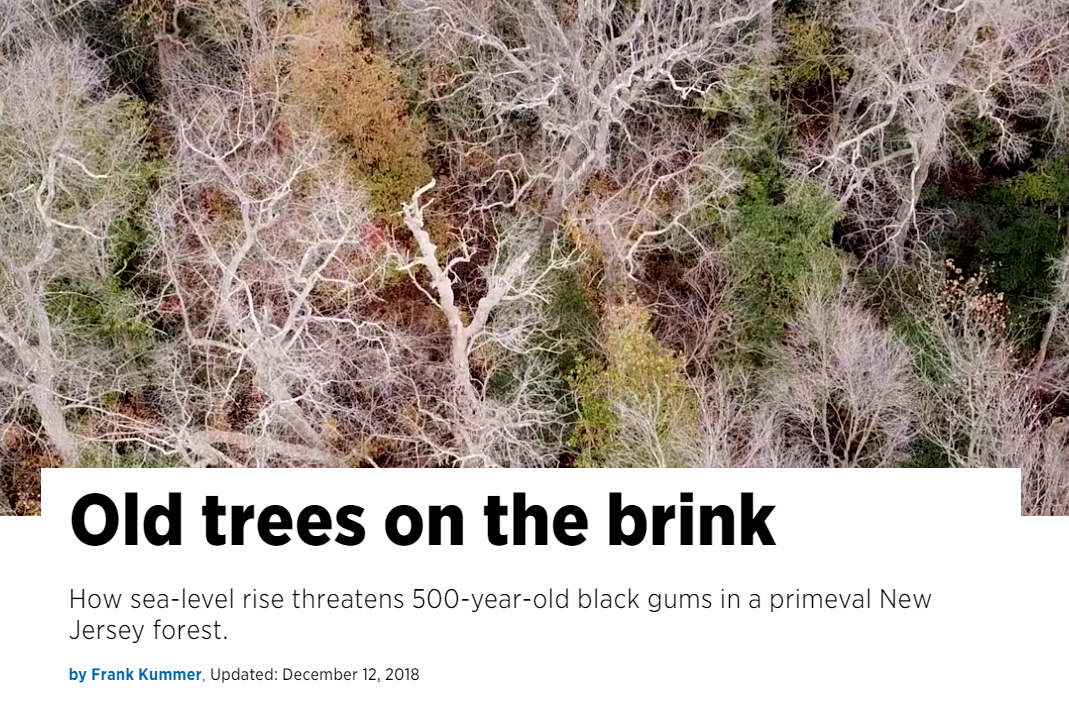
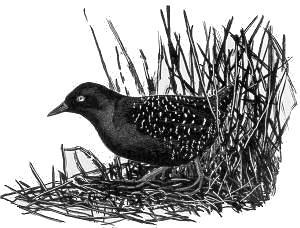
Upcoming Presentation at Burlington County Lyceum:
Sea level rise has been occurring in New Jersey for centuries. Plants and animals have continued to adjust as it progresses and now accelerates. This presentation will explore the changes along the coast in the past and present and will highlight the importance of protecting wild places where land and sea meet to ensure that we maintain wildlife populations and coastal habitats well into the future. There is good news. Come hear what it is! Presented by guest speaker and ecologist Dr. Joseph Smith, PhD.
Date: December 8, 2018
Time:1:00 PM - 3:00 PM
Location:Burlington County Lyceum of History and Natural Sciences, 307 High St., Mount Holly, NJ 08060
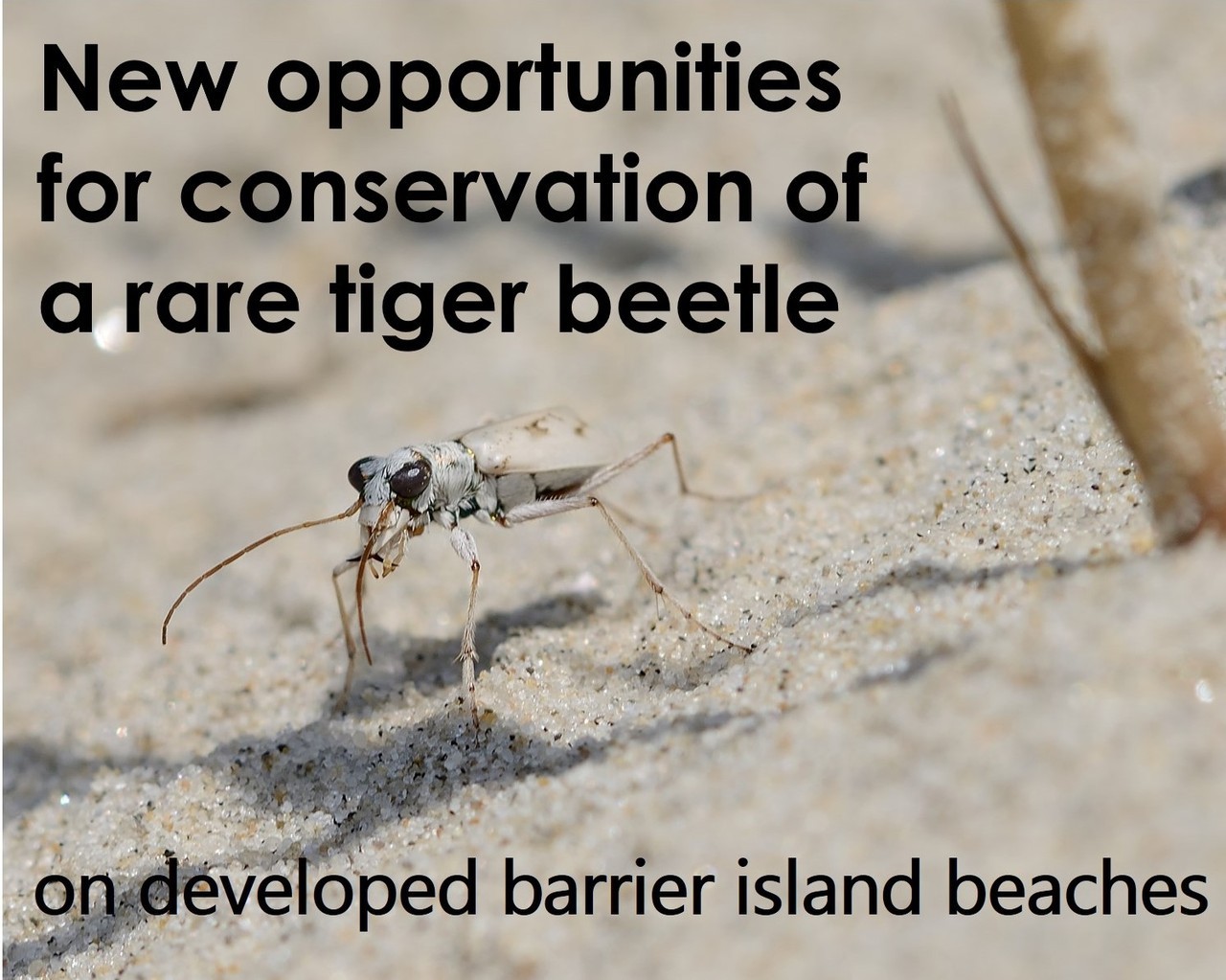
I presented at the NJ chapter of Wildlife Society Fall meeting on my recent discovery of dune ghost tiger beetles occupying man-made dunes. They occur there in densities that far exceed any previously recorded estimates.
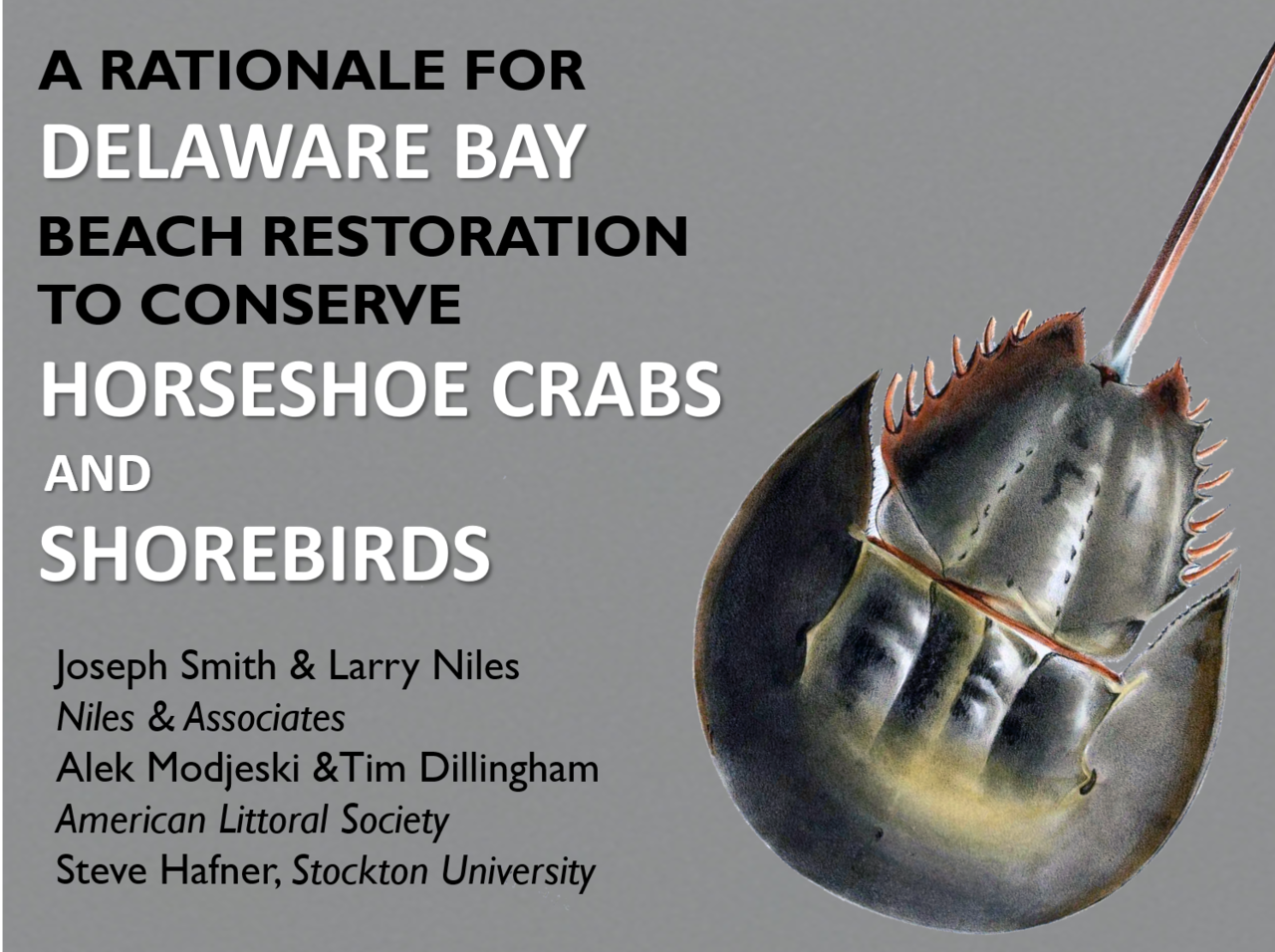
I participated in the horseshoe crab symposium at the American Fisheries Society Meeting In Atlantic City. Restoring beach and marsh habitat in the Delaware Bay is all about addressing past impacts from management in order for habitats to be resilient to present and future storms and sea level rise.

I gave a talk about marsh pool dynamics at the Fall Atlantic Estuarine Society Meeting. Stayed tuned for the answer to this question - writing this one up now.
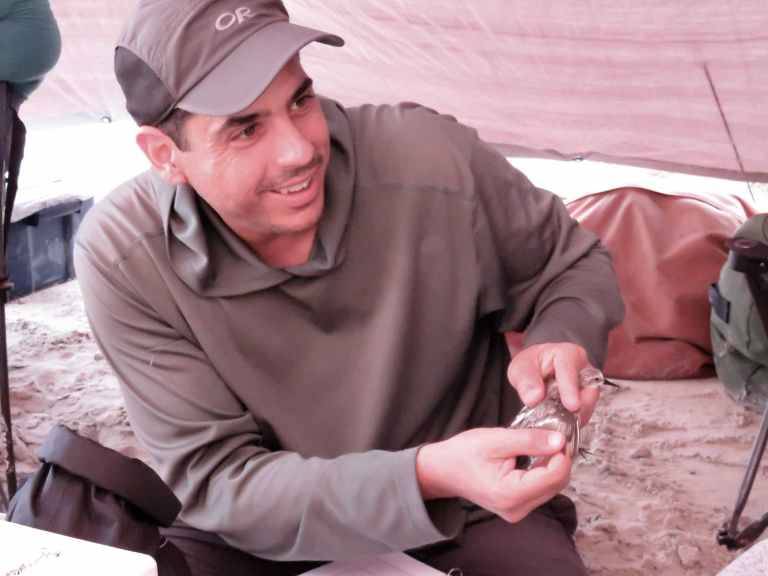
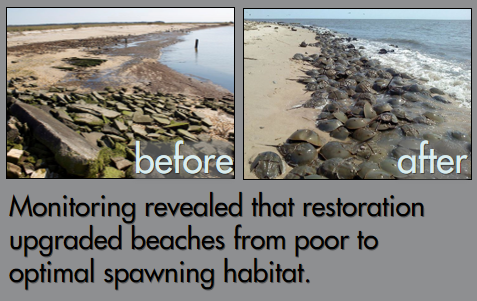
I’m presenting on Delaware Bay horseshoe crab habitat restoration this week at the Coastal Estuarine Research Federation conference in the “Linking species and habitat conservation for global horseshoe crab populations” symposium.

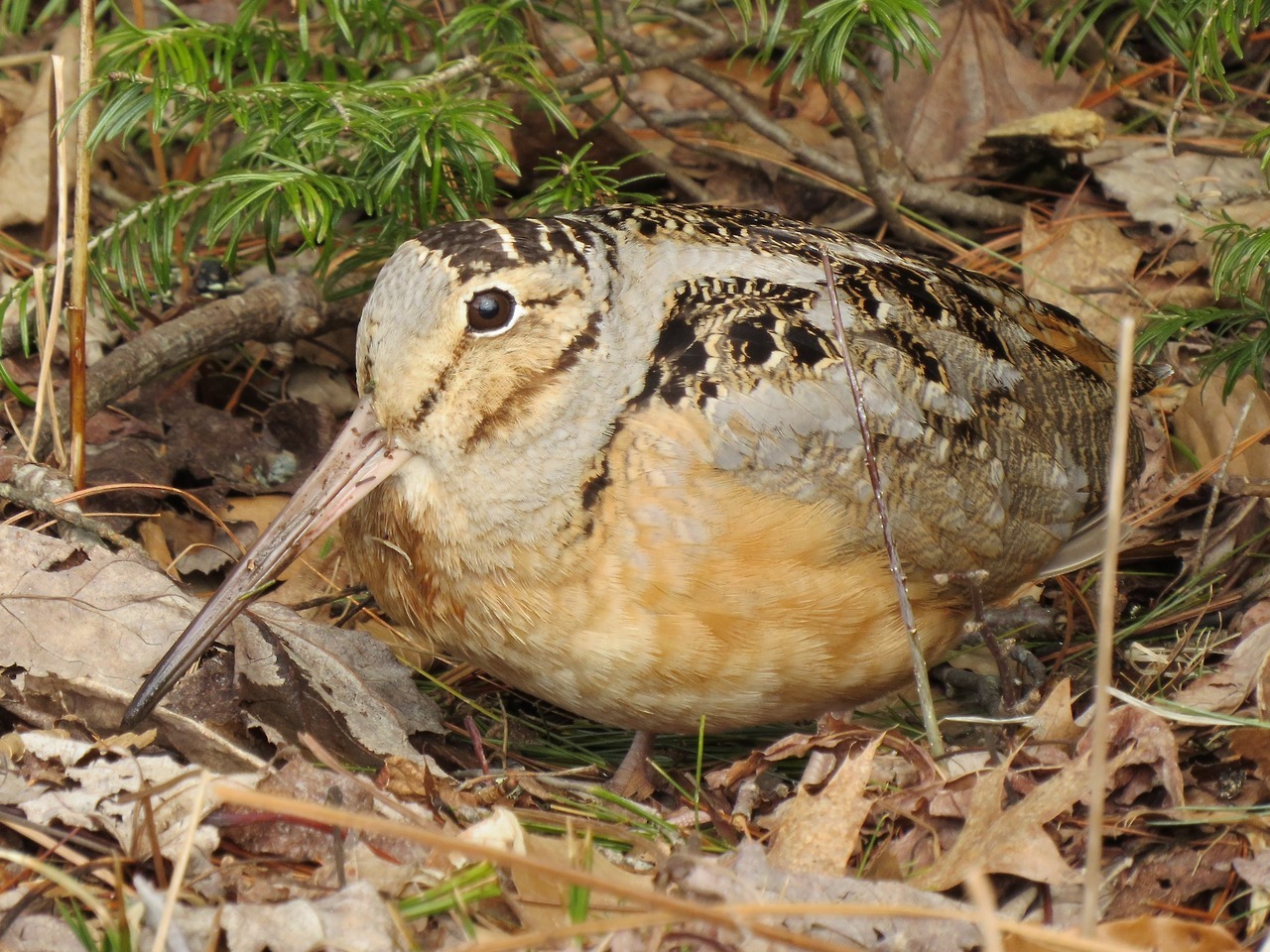
Woodcock cred! My post about forest management for woodcock and other birds was re-posted at the venerable timberdoodle.org
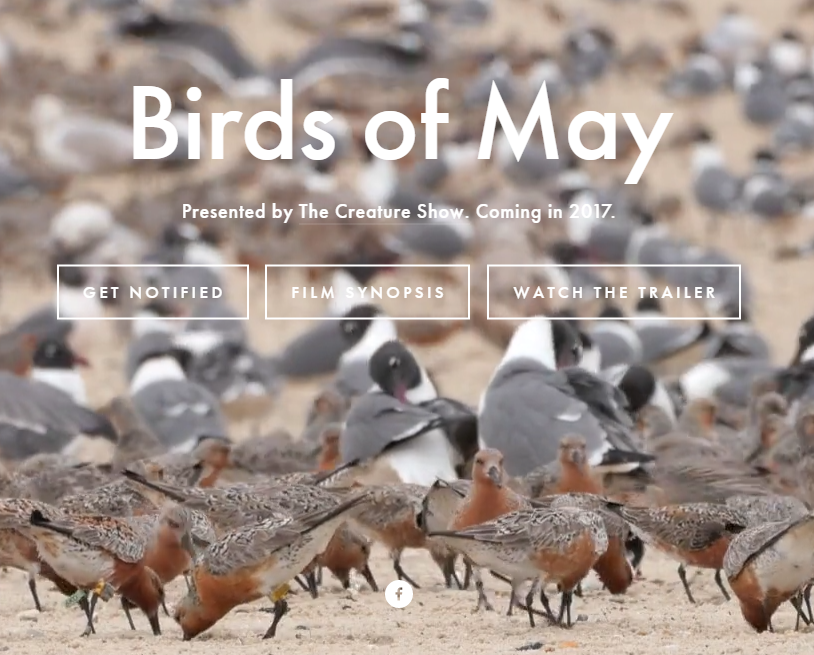
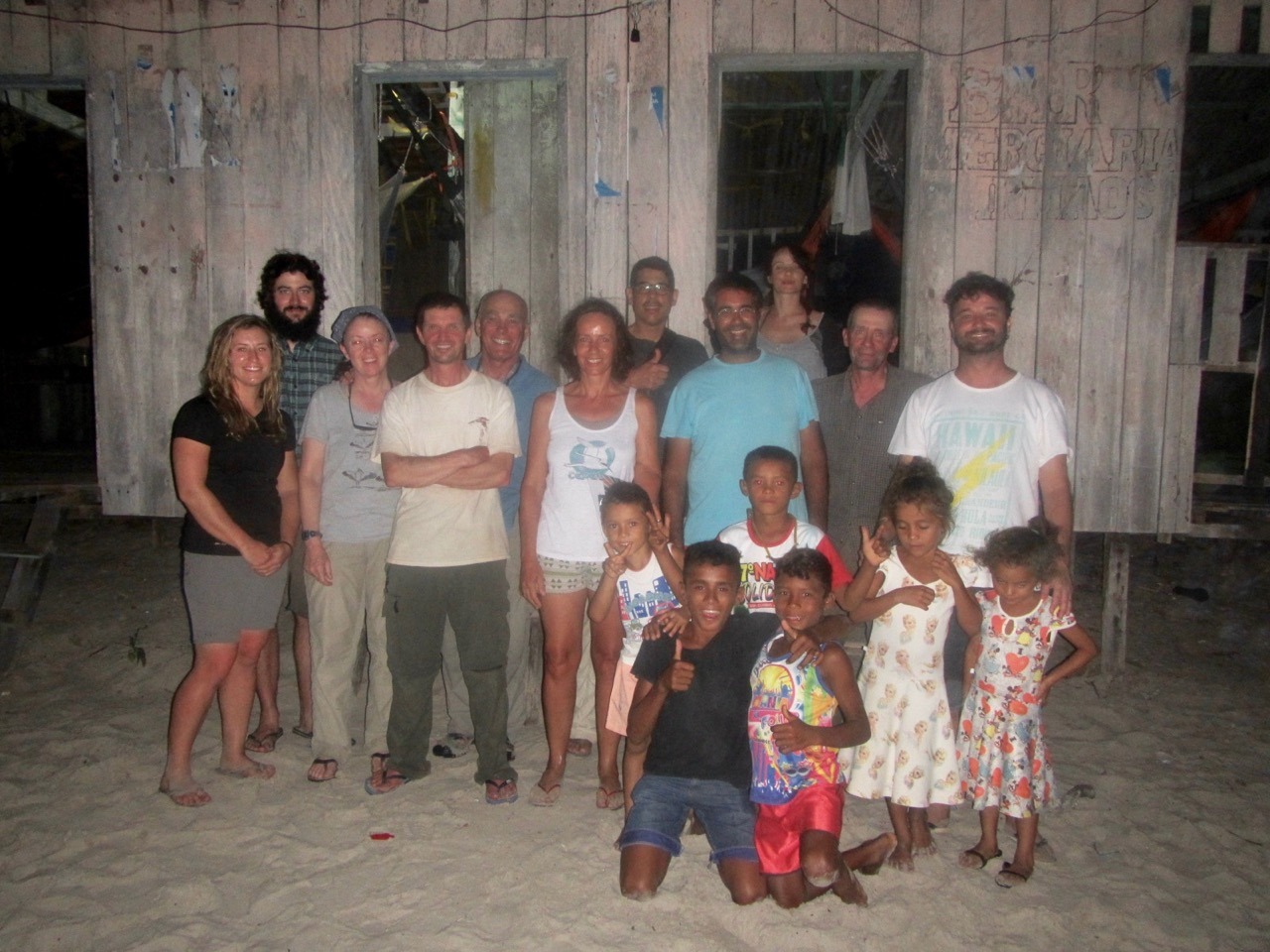
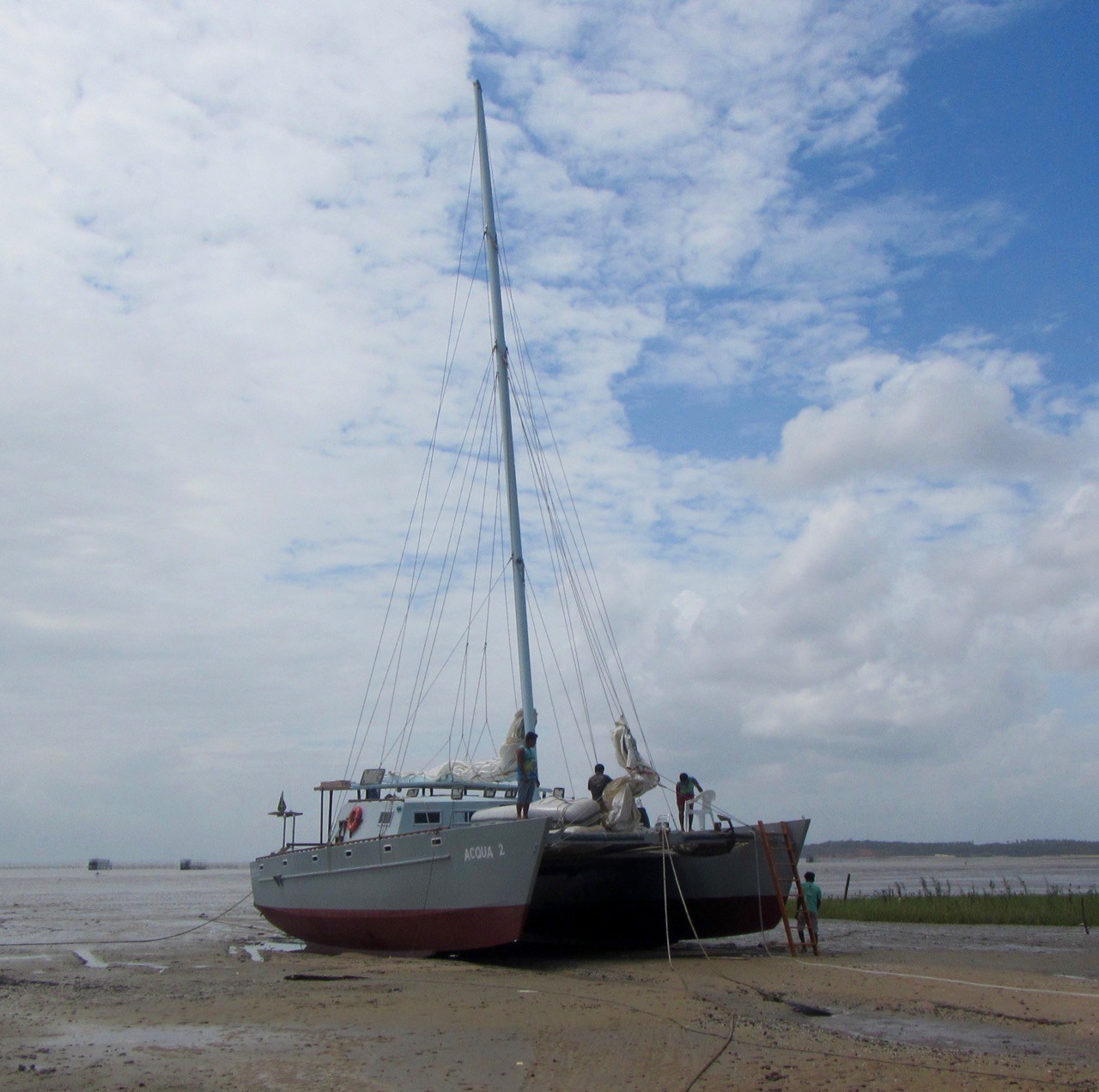
We just returned from a research trip to Brazil in the states of Para and Maranhao.
Here’s a blog post from team member Danielle Paludo, who works for the Brazilian agency, Chico Mendes Institute for Conservation Biology.
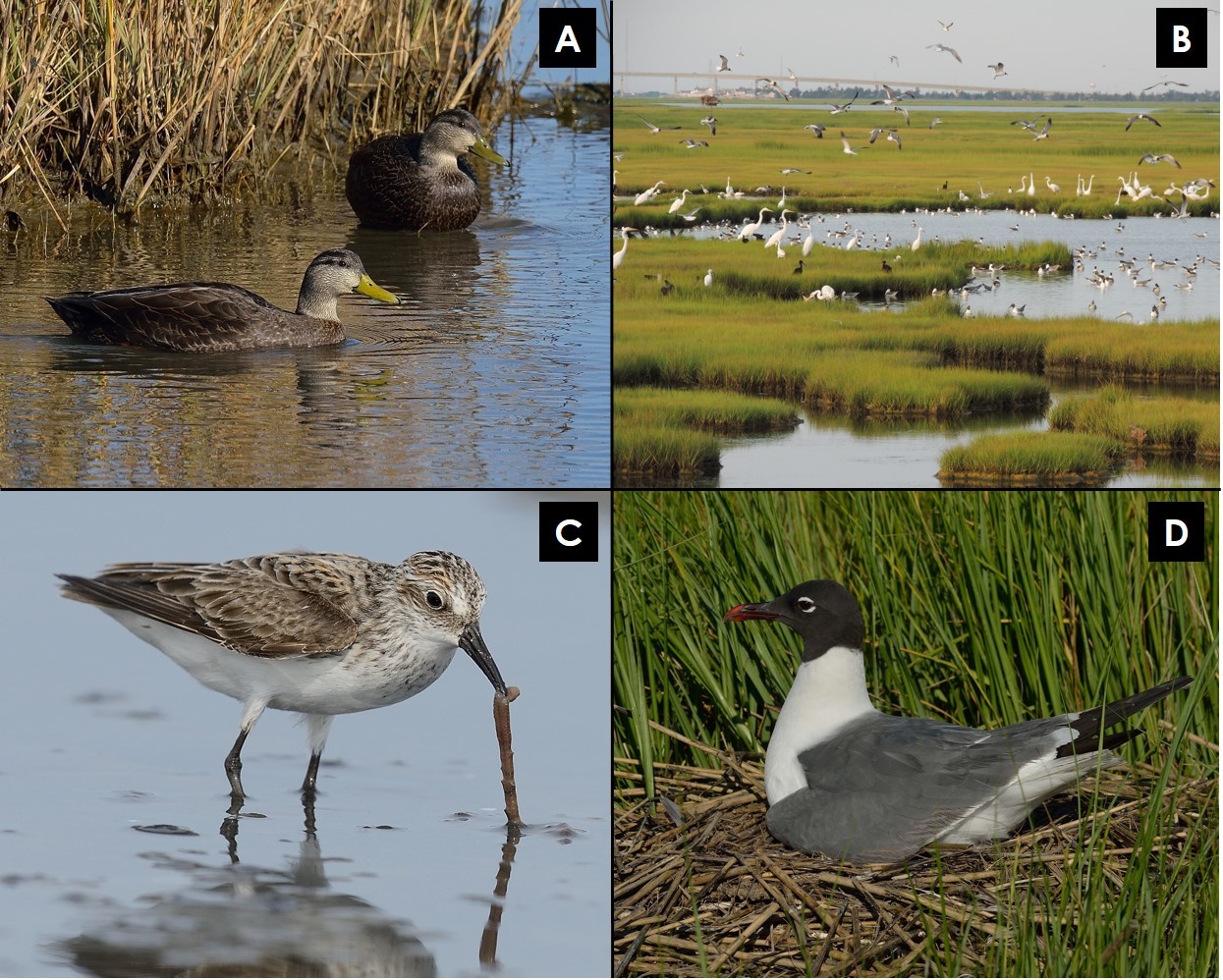
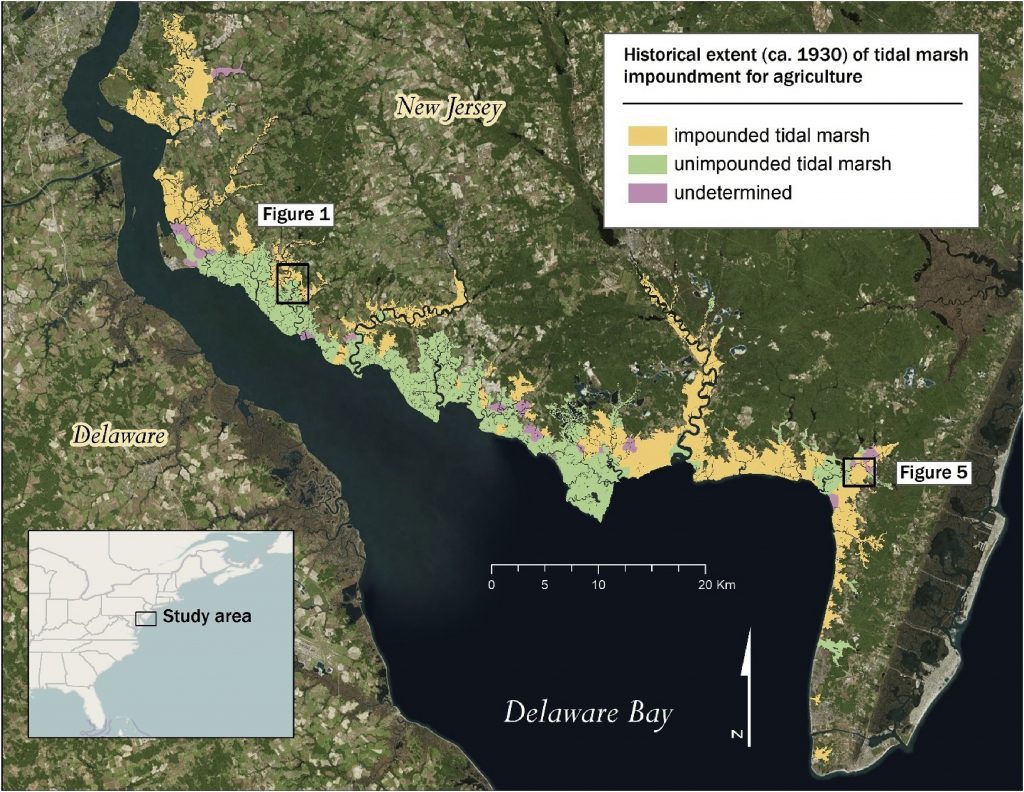
New paper in Wetland Science and Practice that discusses the role of pools in salt marsh and how they related to marsh degradation. We review some incredible new insights into how pools function and summarize their importance as wildlife habitat (e.g. the birds pictured above!).
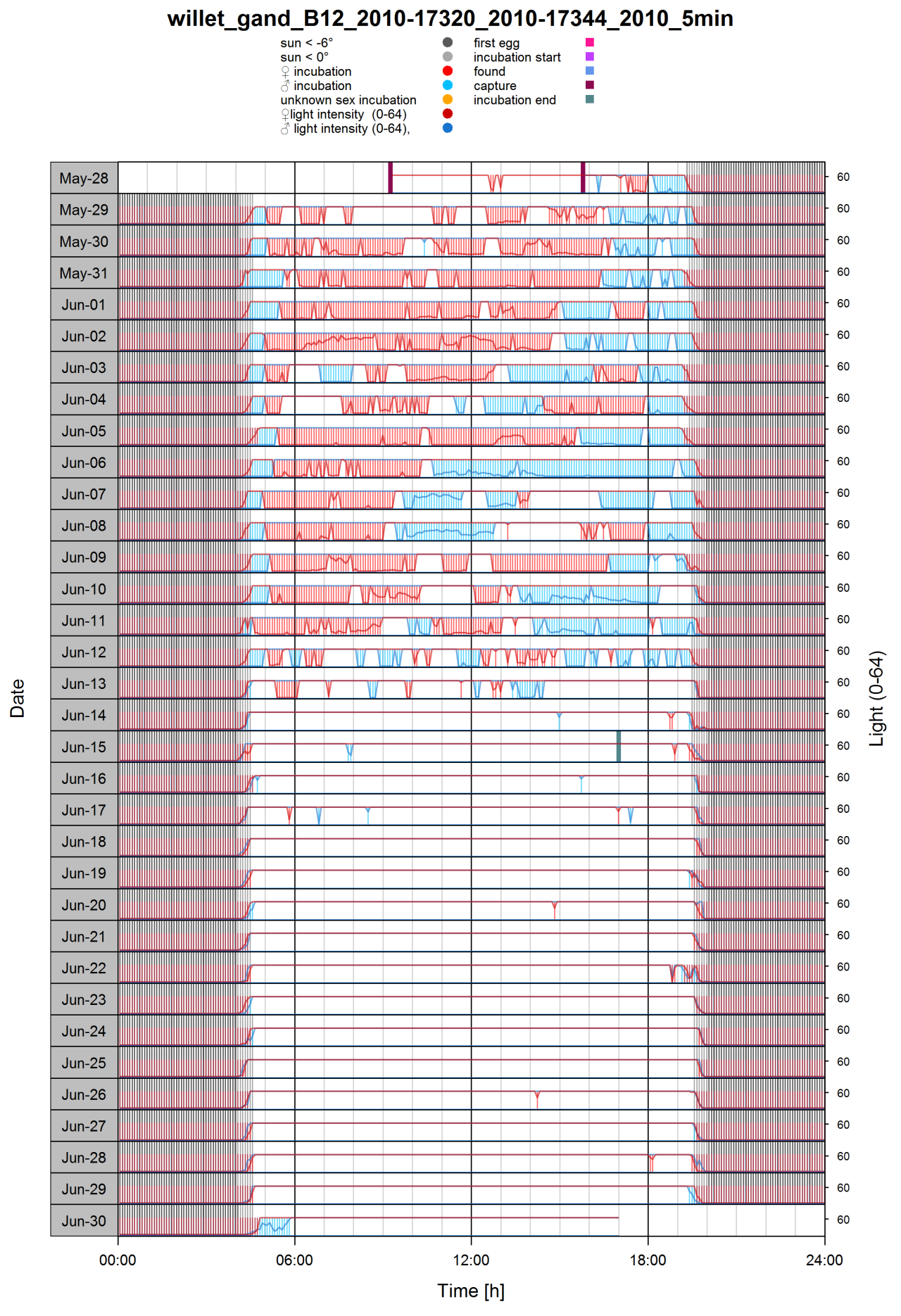
I’m one of 50-something co-authors on a Nature paper that examines incubation patterns of shorebirds around the world. My contribution to the paper was willet nest monitoring and light-sensing geolocator data.
Martin Bulla examined geolocator light signatures to note periods during the day when the sensor went dark (i.e. when the bird was sitting on its geolocator when incubating).
Above is an example of patterns in a pair of willets with geolocators. In this case the male tended to be incubating at the beginning and end of the day (and presumably at night).
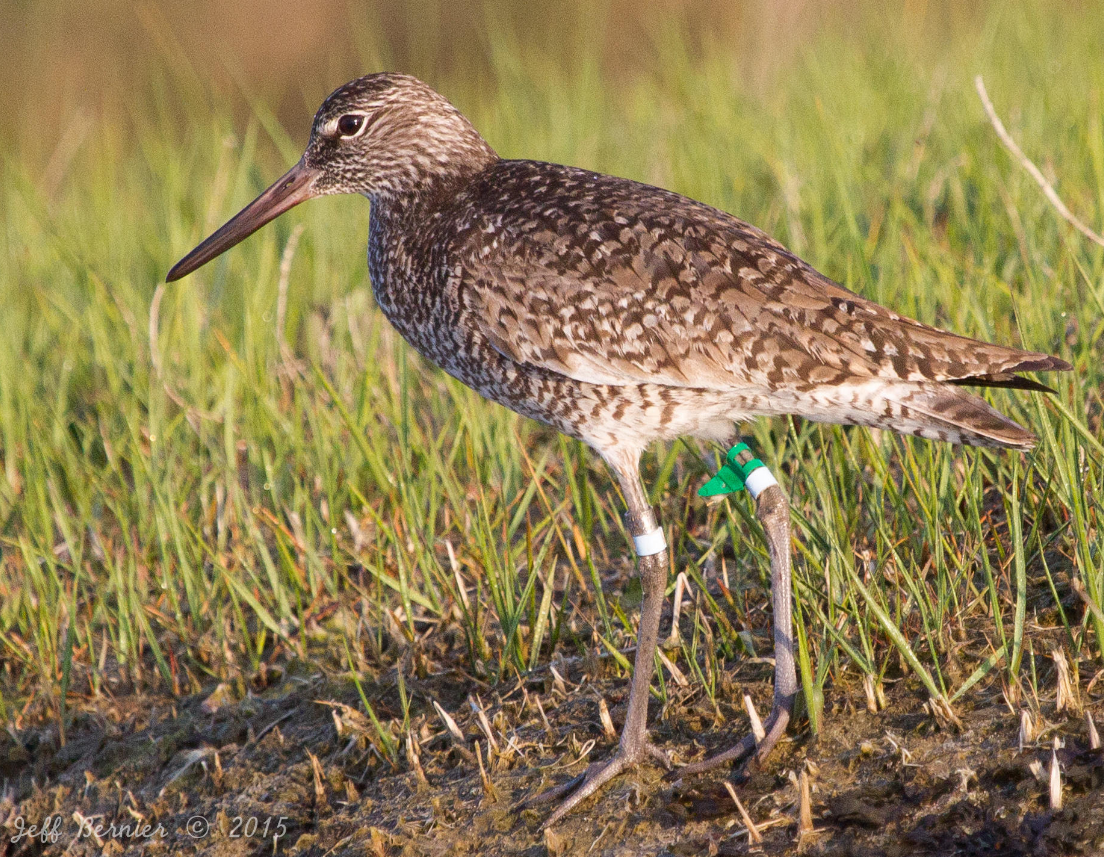
Willets are shorebirds that arrive each spring along the Atlantic Coast and Martha’s Vineyard. Until recently, where they go in the fall and winter has been a mystery. On The Point, Mindy Todd interviews Luanne Johnson and Liz Baldwin, biologists at BioDiveristy Works: they’ve been on the Vineyard fitting willet with tracking devices to find out where these the birds have been. The information will be used help better protect the species. Also joining the conversation is Joe Smith, ecologist and collaborator on the willet geo-tagging project. He’s been working with the Smithsonian Migratory Bird Center, Biodiversity Research Institute and Biodiversity Works to use migration tracking tags to gain understanding of the willet’s year-round cycle. We also hear from our biologist guests about bats, otter, snakes, and other wildlife in our region, and how these animals are coping with the changes in our wild lands.
Article in the Cape May Gazette about our shorebird project in Brazil
Delaware Bay beaches key to a global migration. Lower Township man followed red knots to Brazil and back.
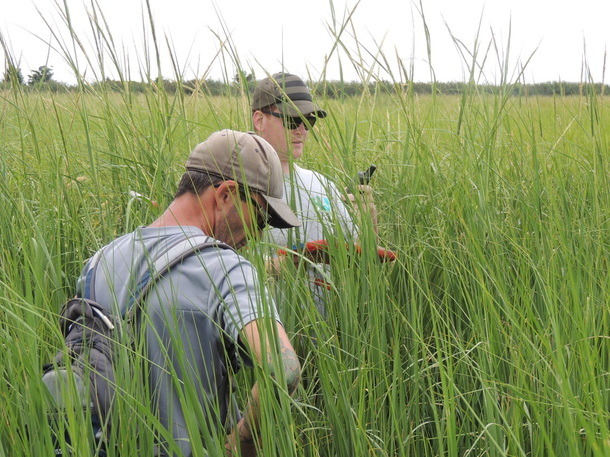
Blog post at Conserve Wildlife Foundation about our salt marsh monitoring work.
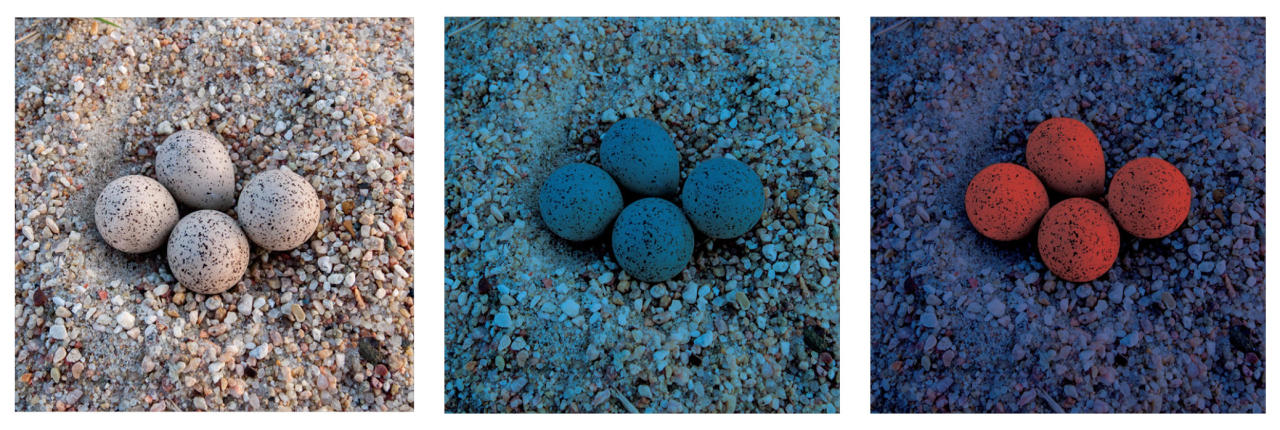
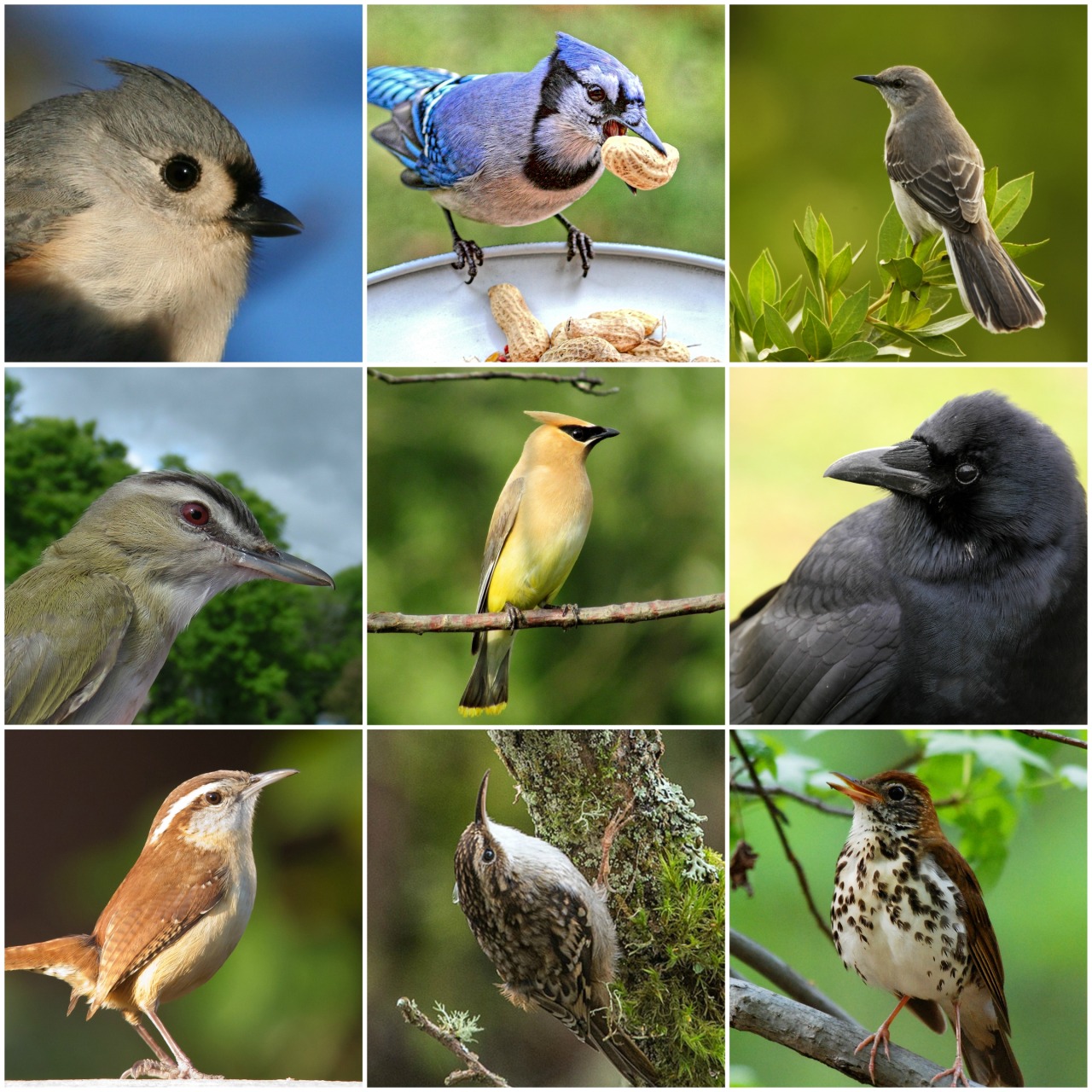
In all these bird species, the sexes look alike to us. But through a bird’s eyes there are distinct differences.
New blog post at the redesigned Cool Green Science: Your Field Guide is Wrong: A Bird’s Eye View of the World
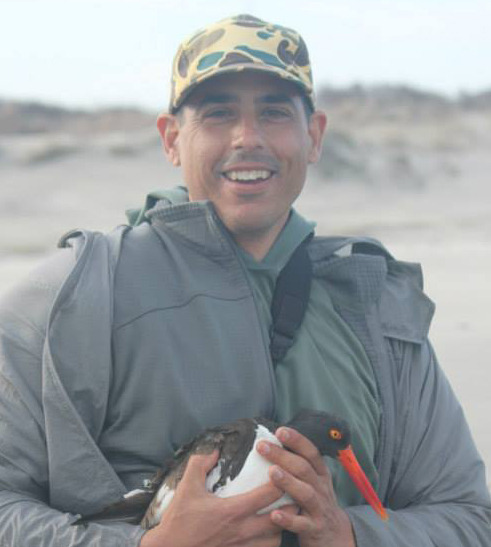
Oystercatcher banding at Cape May National Wildlife Refuge is featured in the Friends Forward newsletter, which highlights activities of National Wildlife Refuge friends groups. Read the story here.
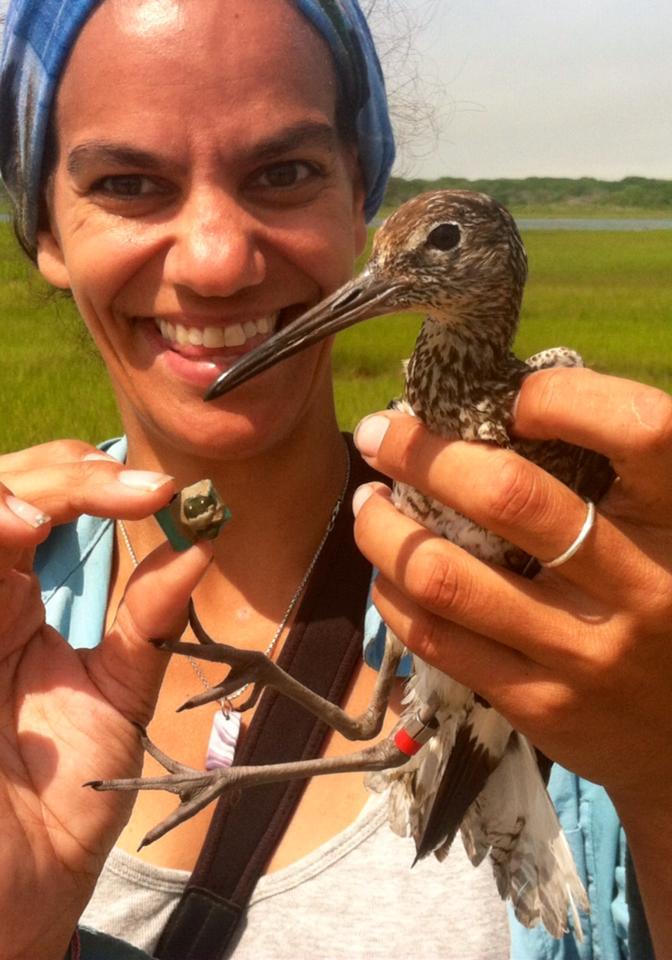
Team BiodiversityWorks in Martha’s Vineyard scores a willet geolocator!
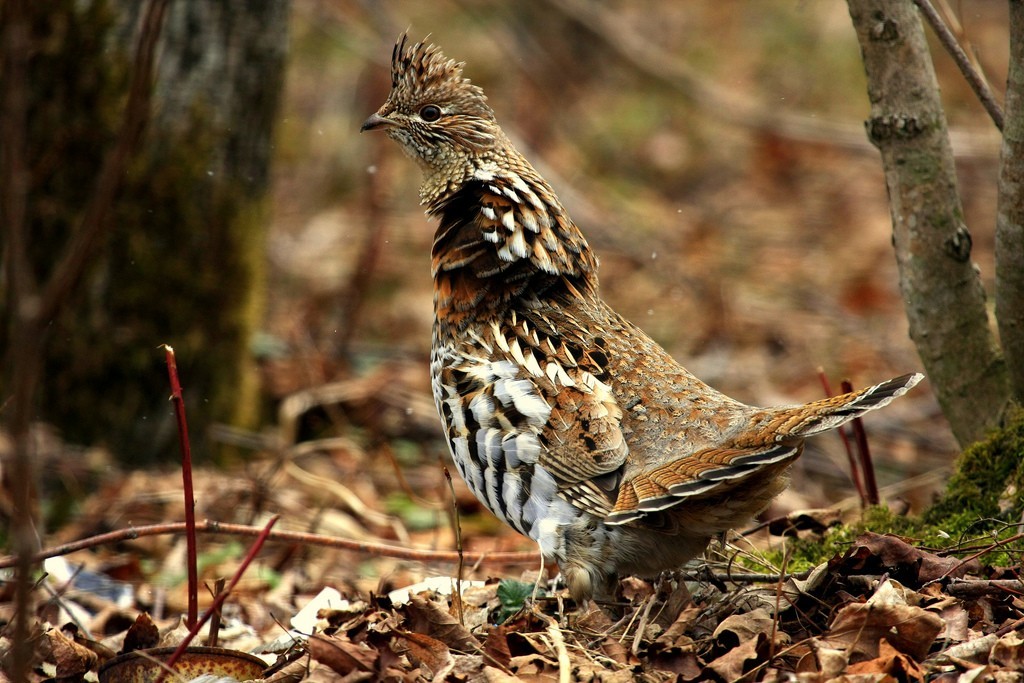
Here’s a discussion about the mysterious missing grouse of south Jersey that I wrote about on my blog.
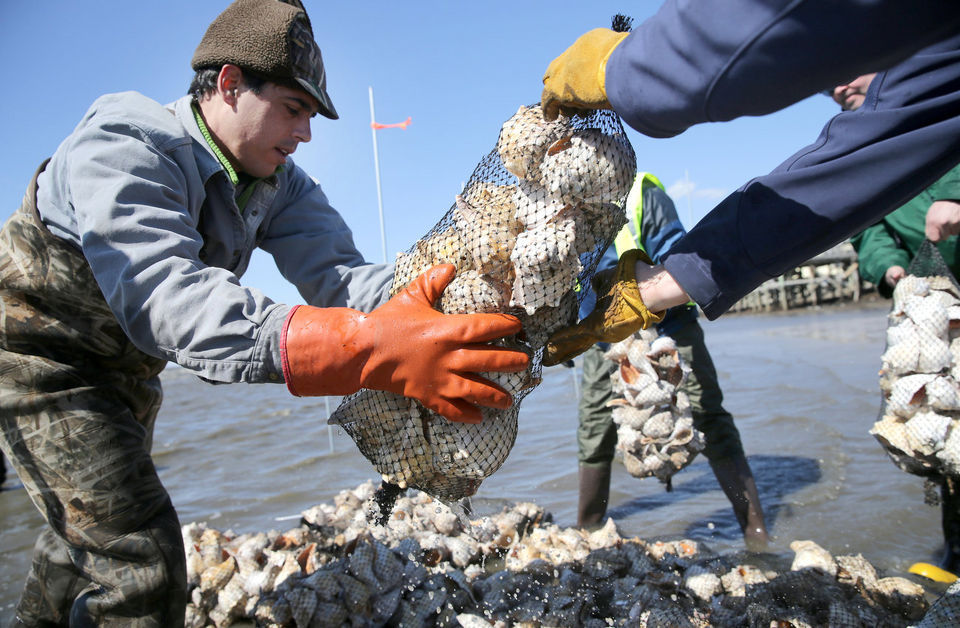
Hey, that’s me! Part of a photo sequence in this article. The photo is from a recent volunteer day to build shell reef bars on the Delaware Bay.
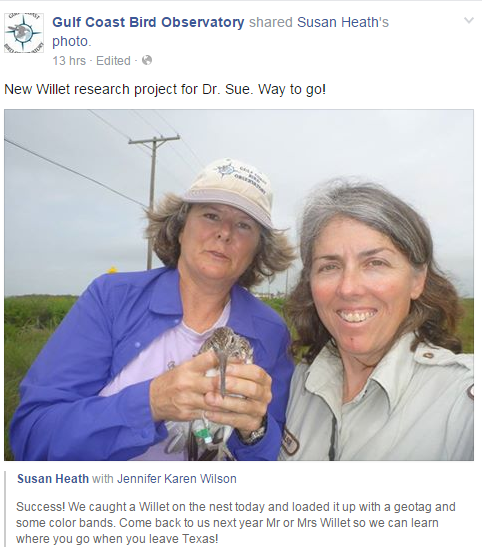
Willet migration tracking expands to the Texas Coast, thanks to the Gulf Coast Bird Observatory and the US Fish and Wildlife Service.
New website managed by the American Littoral Society and Conserve Wildlife Foundation featuring the ongoing habitat restoration work on the Delaware Bay.
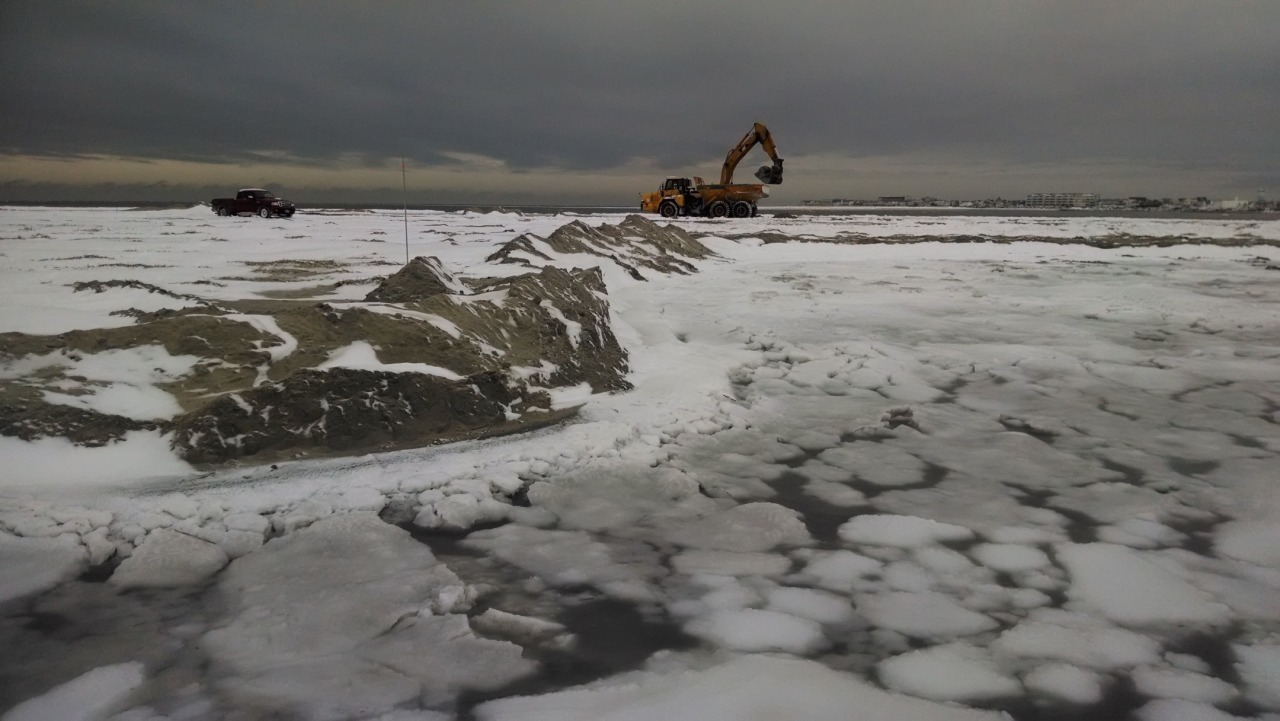
Great article by Bill Barlow on the habitat management project at Stone Harbor Point in the Middle Township Gazette:
Million-dollar project aims to bring species back to Stone Harbor Point
STONE HARBOR — Touring Stone Harbor Point on a brilliant, warm afternoon Monday, Stone Harbor officials watched a peregrine falcon zip by, and a huge, churning cloud of Brant geese make its way along Hereford Inlet toward the open ocean.
The scene highlighted how wild species use the natural area, even while the local officials heard how a million-dollar project finishing up this week sought to make the area more welcoming to several kinds of birds.
Lead by the New Jersey Audubon Society and paid for by federal Hurricane Sandy funds, the project reshaped sections of the natural area at the borough’s south end.
Audubon volunteers and staff members, along with project manager Larry Niles, took borough officials on a four-wheel-drive tour of the project area, where sand from the southernmost tip of the point was moved with heavy machinery to create three areas of higher elevation, which Niles described as about three football fields wide and a football field deep.
The project also built up a wide berm of sand near the beachfront parking lot at the far south end of the borough. According to Niles, that part of the project aims to increase flood protection for the developed area of the island.
Much of the point floods during what are called spring tides, the exceptionally high tides associated with the full moon, which makes the beach unsuitable for beach nesting birds like piping plover. The areas of higher elevation, about two-and-a-half feet higher than the rest of the beach, will provide safe nesting areas for the birds when the rest of the beach floods.

The remainder of last week’s snow still clung to the shadows of sand dunes on March 9, while a few beachcombers made their way along the strand, blithely ignoring a small sign on the southernmost jetty in town, stating “beach access closed until further notice.”
Some walked the length of the point, which Niles said is almost exactly a mile from the jetty to the inlet.
The point has long been set aside as a natural area, protected from development. But over time, erosion took its toll. In the 1990s, there was little left of the natural area, and Seven Mile Island ended a little south of the jetty at what would be 123rd Street, according to Mayor Suzanne Walters.
At one point, there was talk of a federal beach fill project to restore the habitat in the point, but borough officials say that project was never funded.
But the island has seen several beach replenishment projects, aimed at protecting properties and infrastructure. That includes a major project for Avalon and Stone Harbor in 2013, to rebuild from 2011’s Hurricane Irene, the scope of which was more than doubled to over 700,000 cubic yards of sand to make up for the worse damage from Hurricane Sandy a year later.
Some of that sand made its way to the point.
According to Niles, and others, the tendency in New Jersey beaches is for the added sand to drift south, so projects that built up the rest of the island meant sand built up on the point. The southernmost tip reaches almost to North Wildwood, where the inlet beaches are badly eroded and the homes and businesses are protected by a stone wall.
That’s where the sand was taken to build up the nesting areas. A wide, shallow depression at the very end of the point was included on the tour for Stone Harbor officials. That depression will probably fill in with a few higher-than-normal tides.

Almost all that’s left of the project is to spread crushed shells on the elevated areas of sand, to more closely replicate the natural beach the nesting birds want. According to Niles, finding the right kind of shell, with very little meat left from the mollusks that could draw predators to the smell, was a project unto itself.
Naturalist with NJ Audubon hope the area will become prime habitat for the piping plover, listed as endangered in New Jersey, as well as the least tern and the black skimmer.
These birds nest on beaches, but there are few undeveloped beaches left in New Jersey. Looking over the project site, David Mizrahi with NJ Audubon pointed to one of the raised areas on the bay side of the beach, which overlooked a wide muddy expanse he said would provide ideal foraging for several bird species. The project also created a channel, called a runnel, which will allow a wider area to flood in high tide and then drain out when the tide recedes, create more areas for birds to feed.
While most beaches throughout the state are lined with houses and packed with sunbathers when the birds are trying to set up a nesting site.
“These kinds of places are really rare,” he said. Not just in New Jersey, but throughout the Northeast.
According to Niles, in 2006, there were 15 pair of plover nesting at Stone Harbor Point. Last year, there were four, and none of those nests produced young.
The hope is that the project will also provide an ideal home for the dramatic black skimmers, which nest in large colonies on the strand. Mizrahi said the birds have explored the point, and NJ Audubon will try to lure them to try to nest with decoy birds.
He said Stone Harbor officials have been very supportive not only of protecting the species that are there, but also in returning species that were once there.
Predators are a major concern, according to Niles. They include raccoon and fox, and there is always a worry about loose dogs and cats. Ironically, one predator that Niles has seen taking plover is the peregrine falcon, a bird that had been listed as endangered in New Jersey, and one that he worked to restore.
Two of the birds have been seen hunting on the point beach.
Another species the project could help is the red knot, Niles said, a bird best known locally for its long annual journey from South America to its breeding ground in the artic. The birds feast on horseshoe crab eggs on the Delaware Bay each spring. At one point, almost the entire migrating population would roost on Stone Harbor Point, and Niles said the hope is the project will keep the area inviting for the birds.

According to Mizrahi, the project was funded by $1.28 million from the federal National Fish and Wildlife Foundation, as part of aid for Hurricane Sandy Coastal Resiliency Competitive Grant Program. Stone Harbor, Conserve Wildlife Foundation, the state Division of Fish and Wildlife and The Wetlands Institute are also participating in the project, along with Niles and Associates.
According to Niles, harvesting sand from the end of the point is sustainable in the long term, because the sand will continue to build up from the maintained beaches to the north. Other species expected to benefit from the work include migrating birds like the American Oystercatcher, Semipalmated Sandpipers, Sanderlings, the Semipalmated Plover, the black-bellied plover and others.
In all, the Coastal Resiliency Competitive Grant Program approved 54 projects, funded for almost $103 million, according to NJ Audubon.
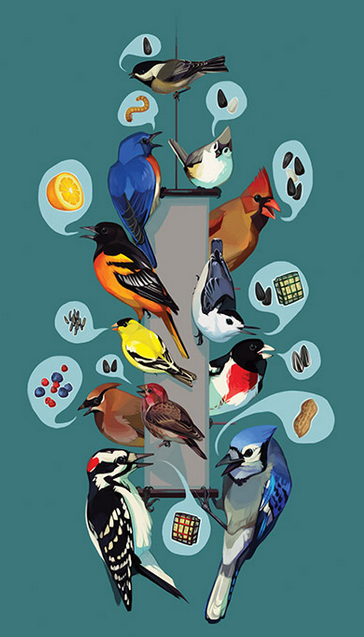
Latest blog post at Cool Green Science…Winter bird feeding: good or bad for birds?. I love this art by JL Hirten
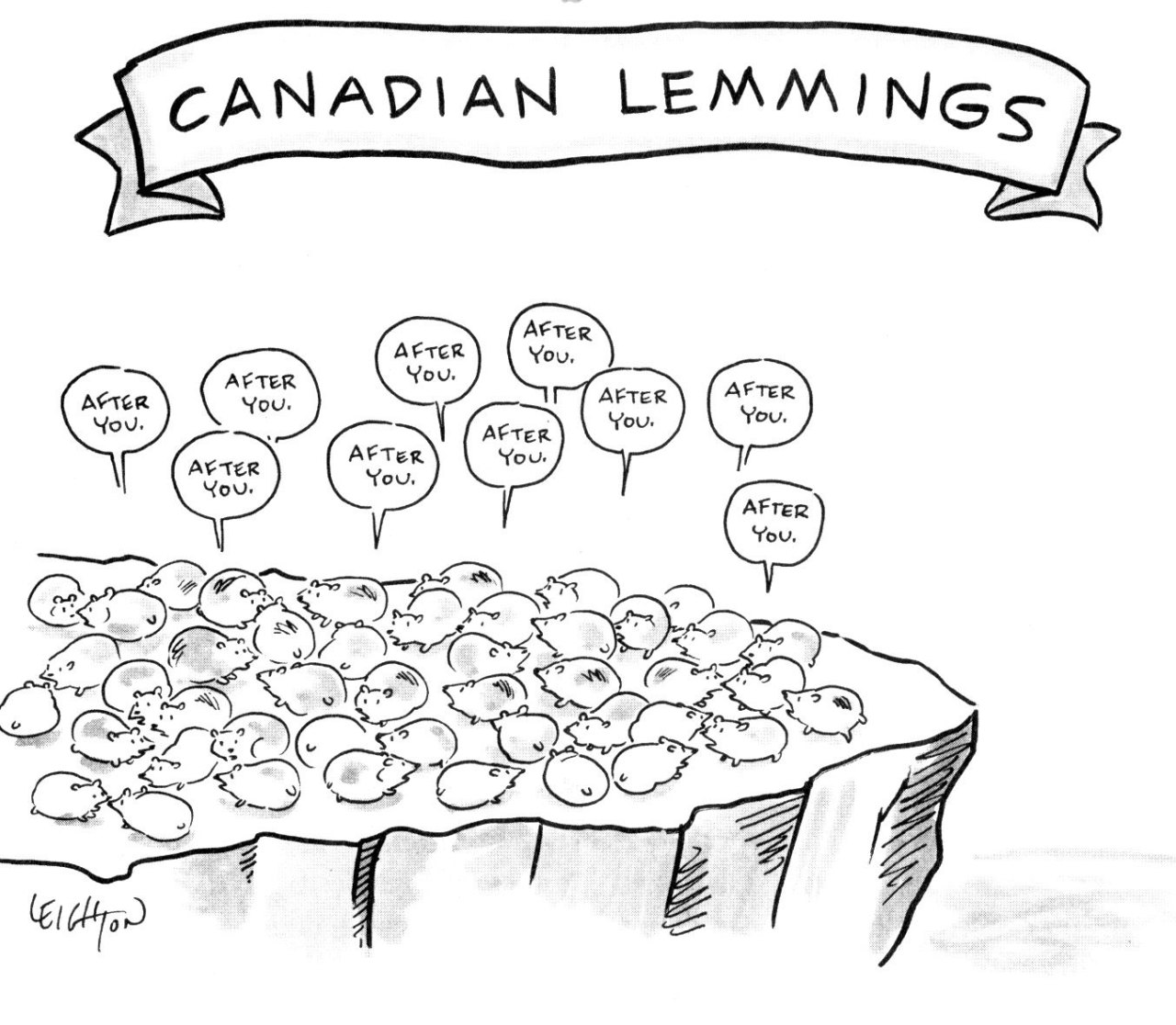
My blog post about lemming ecology was the #2 most popular post at Cool Green Science in 2014.
The Amazing Lemming: The Rodent Behind the Snowy Owl Invasion. Last winter, birders in the eastern US were seeing snowy owls everywhere. Why? Ornithologist Joe Smith traces the answer to the population explosions of lemmings in the Arctic.
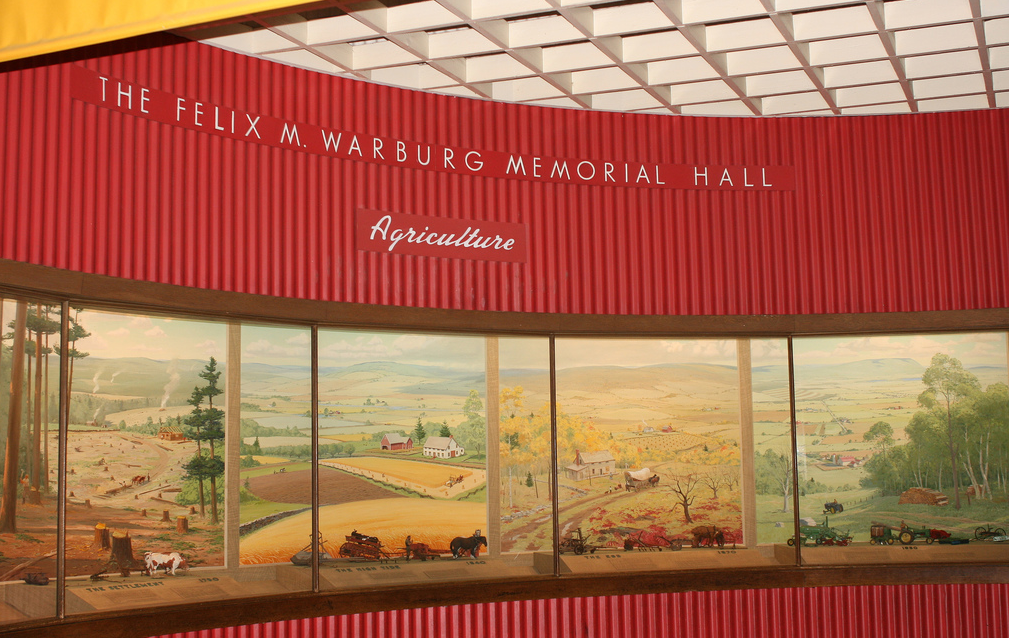
I noticed my blog post on the retro style (and retro conservation message) of the Warburg Hall of the New York environments is referenced on the Wikipedia page of the American Museum of Natural History. Read the post here.
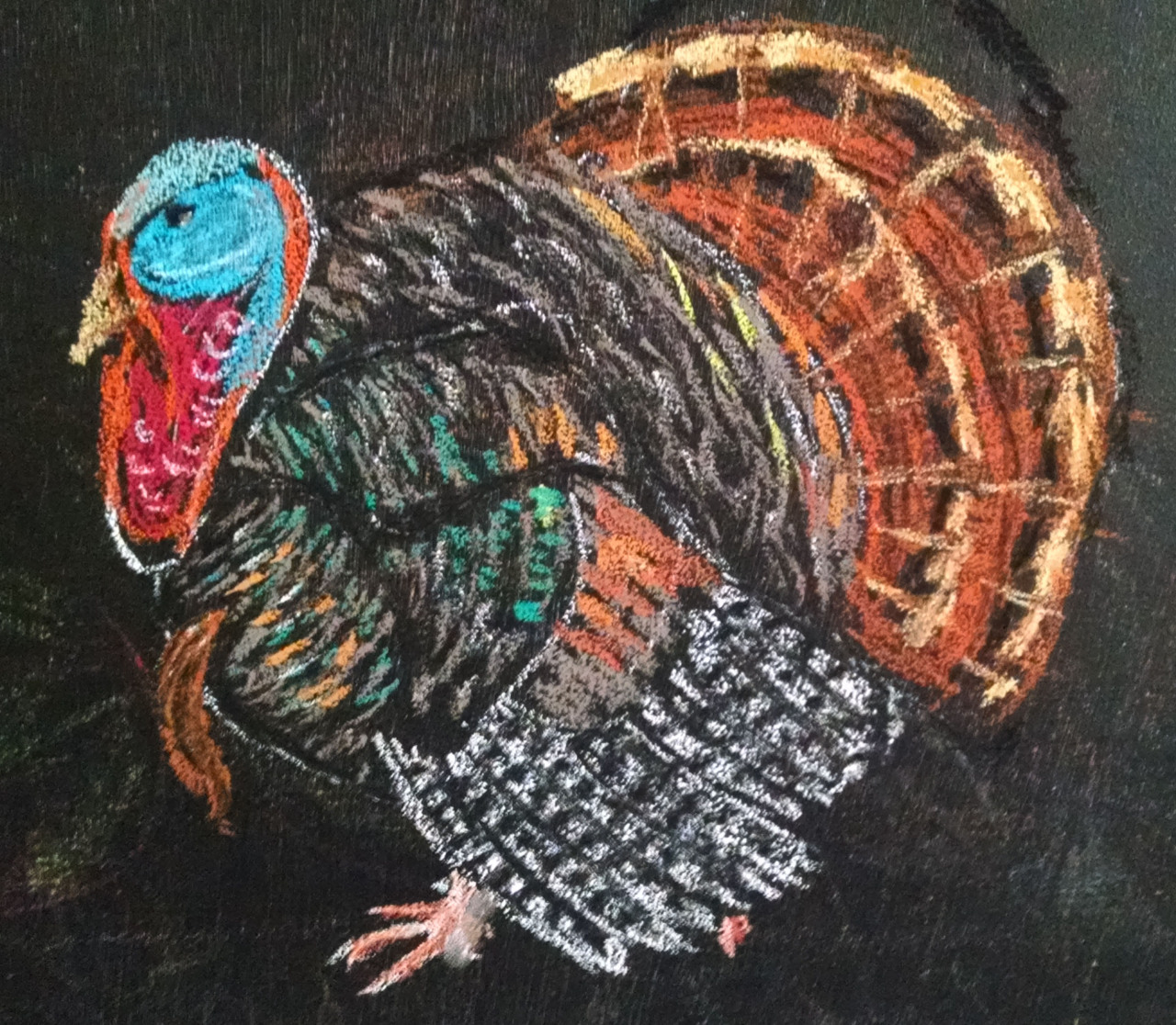
Check out my conversation about wild turkey genetics with Jeremy Cherfas on Eat This Podcast.
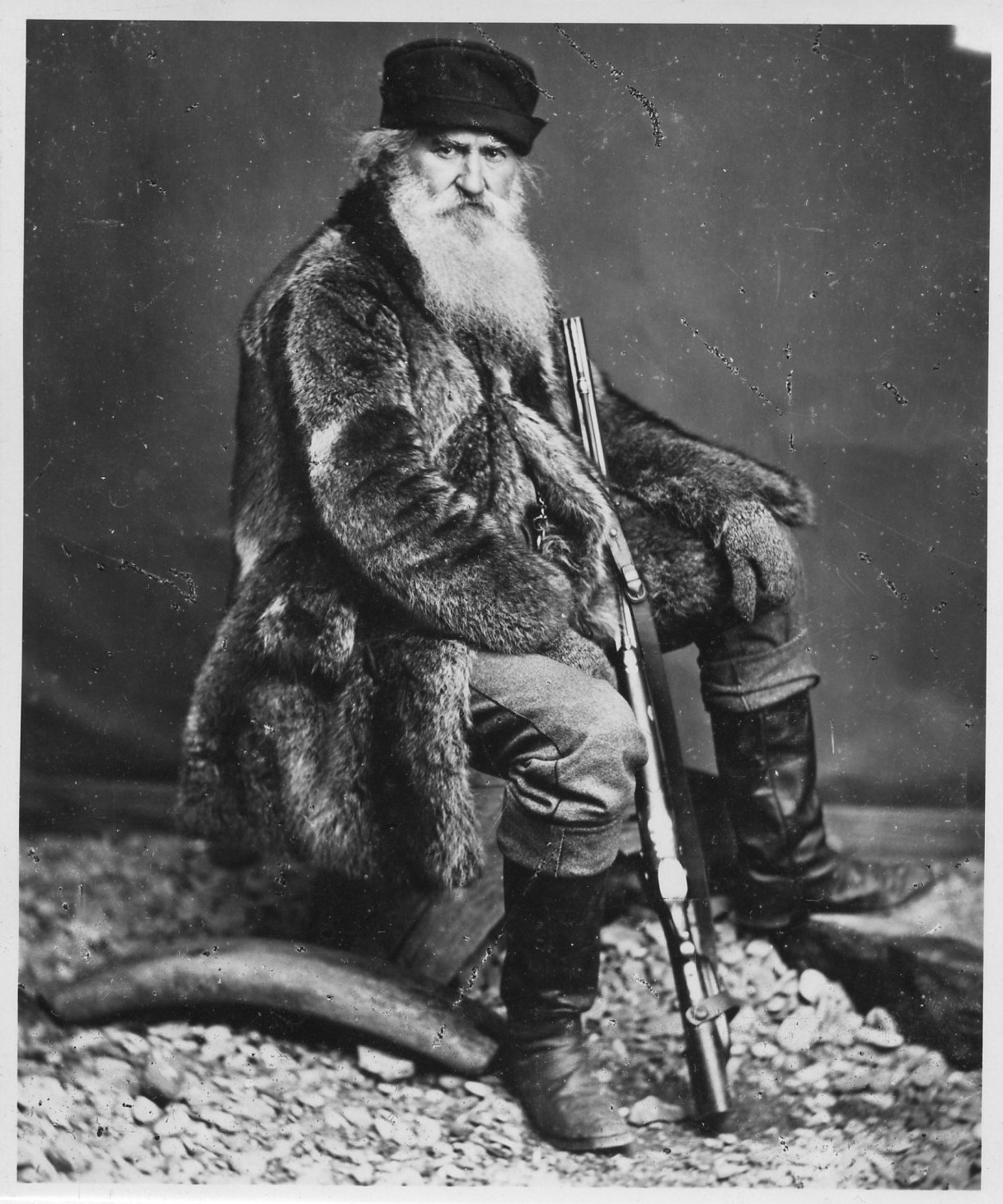
Post at Cool Green Science: Enjoy the Fall Migration: Your Guide to Bird Observatories.
This fellow’s work led to the establishment of bird observatories around the world.
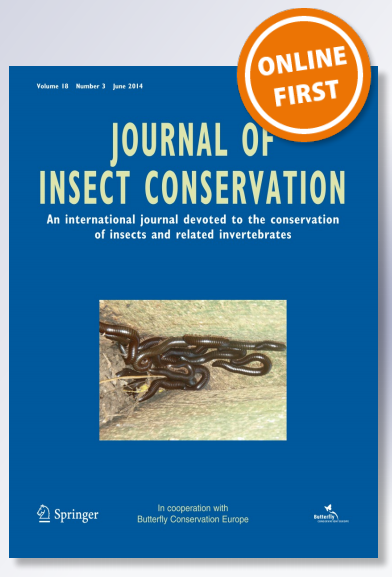
New paper in the Journal of Insect Conservation about the declines of undeterstory specialist moths and butterflies in Northern New Jersey. http://bit.ly/1oWFAUM
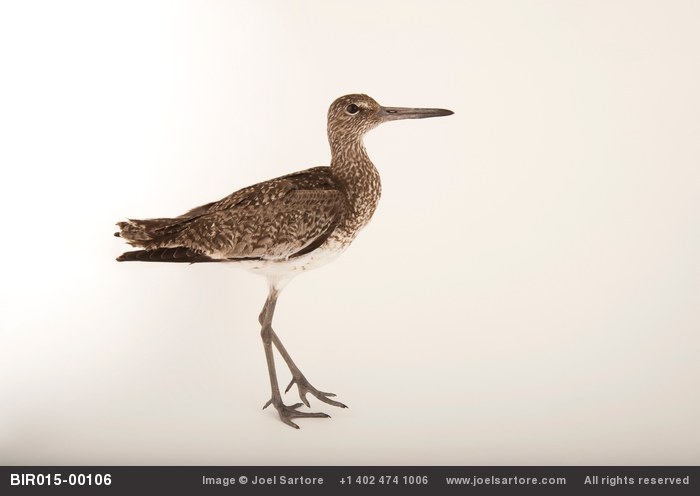
Bird in a box: video of one of our eastern willets by Joel Sartore.
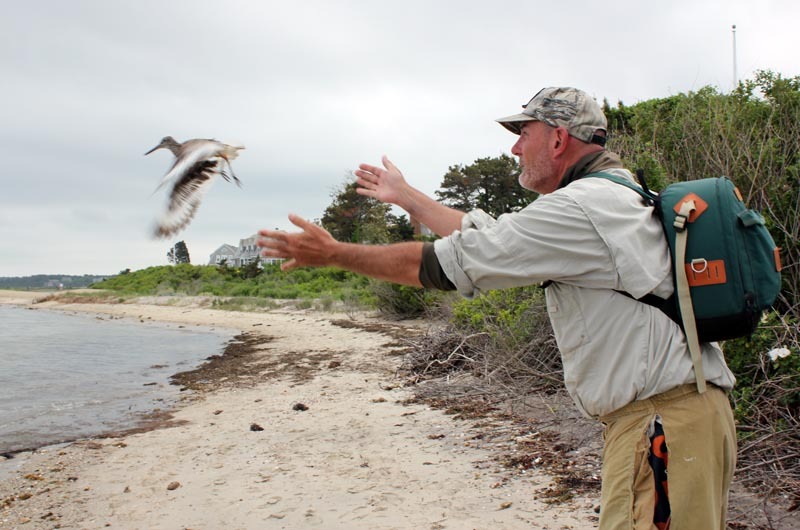
Nothing but Net: Biologists Are No Match for Wiley Willets. A great article by Meg Robbins in the Vineyard Gazette that gives the play-by-play on a couple of tough luck days trying to catch that bird during a trip to Marthas Vineyard. link to article.
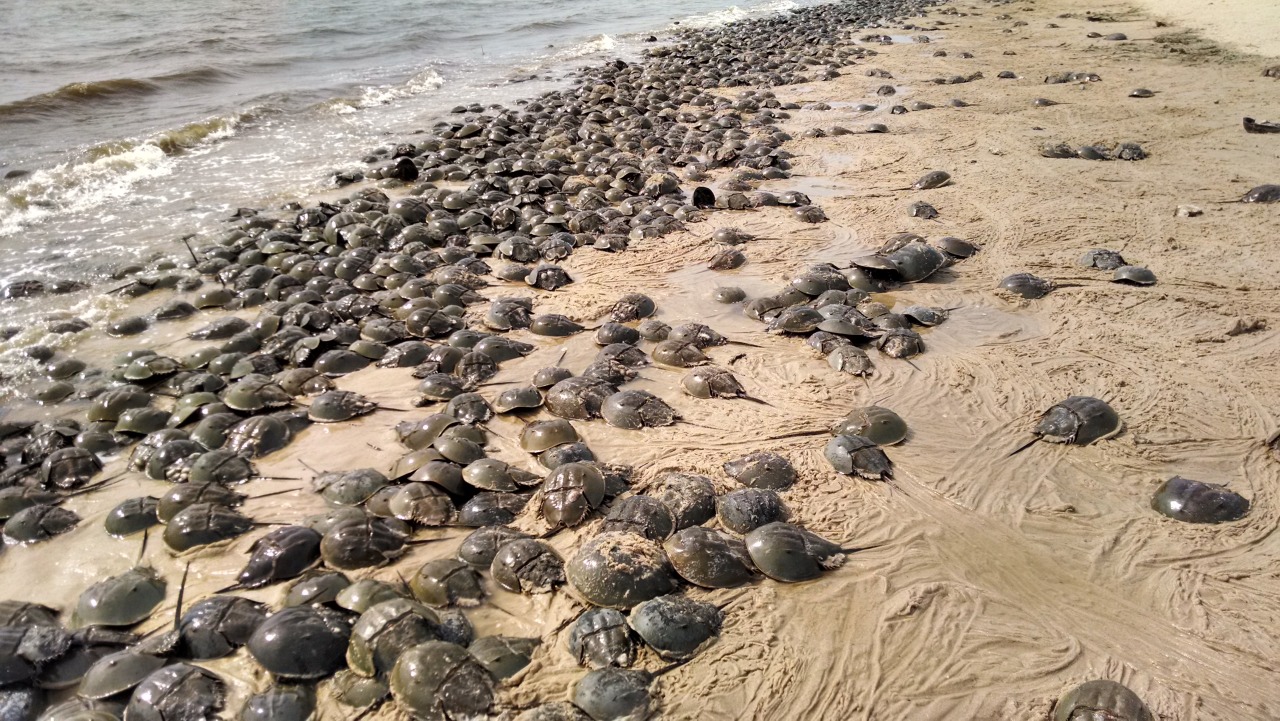
Fabulous spawn this year on the Bay. Our record count was 30 egg clusters per square foot.
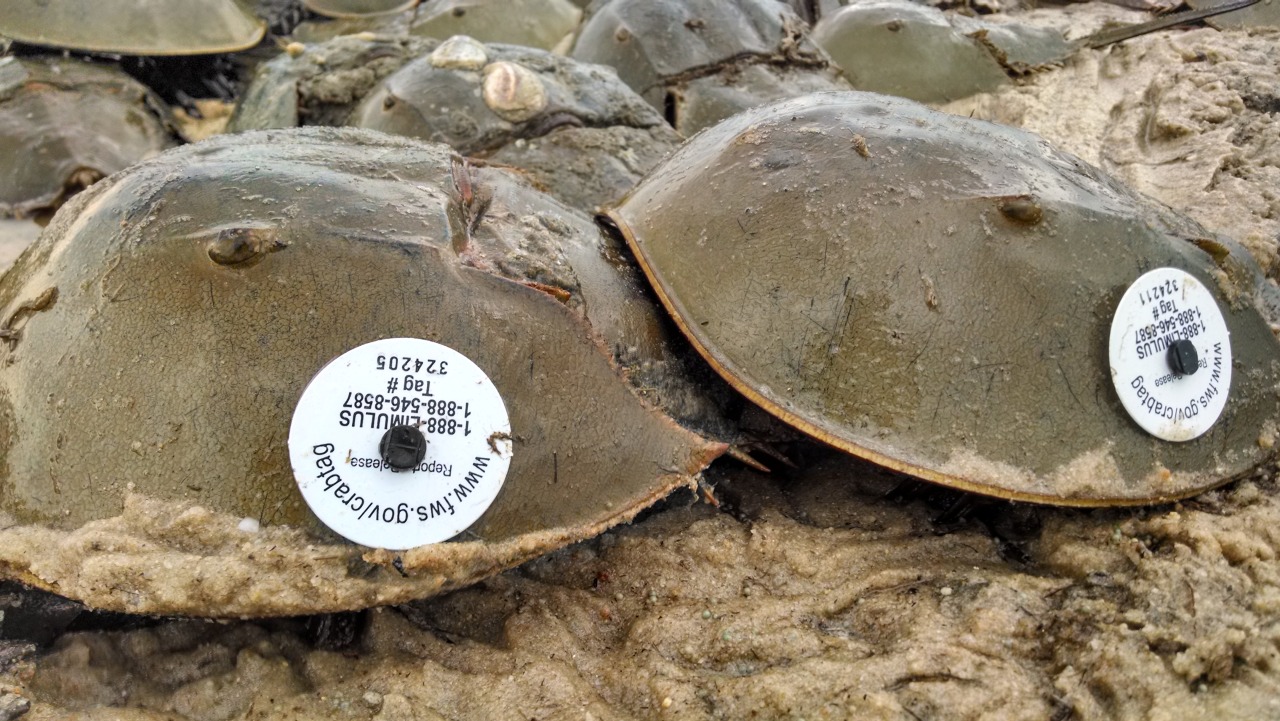
Two tagged crabs mating! What are the odds??
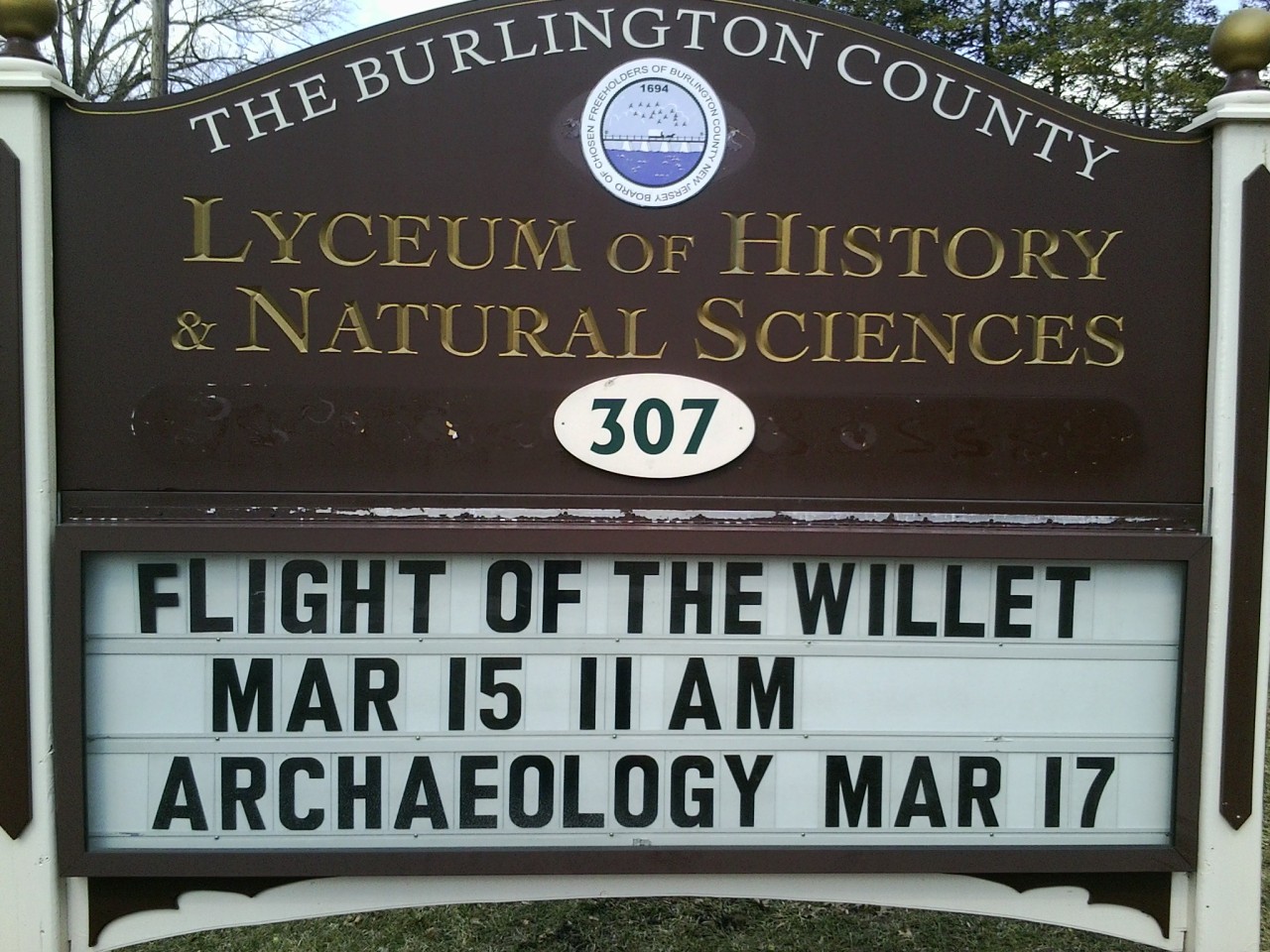
I shared the latest in willet research news as part of Burlington County’s Natural Science Lecture Series at the Lyceum of History and Natural Sciences.
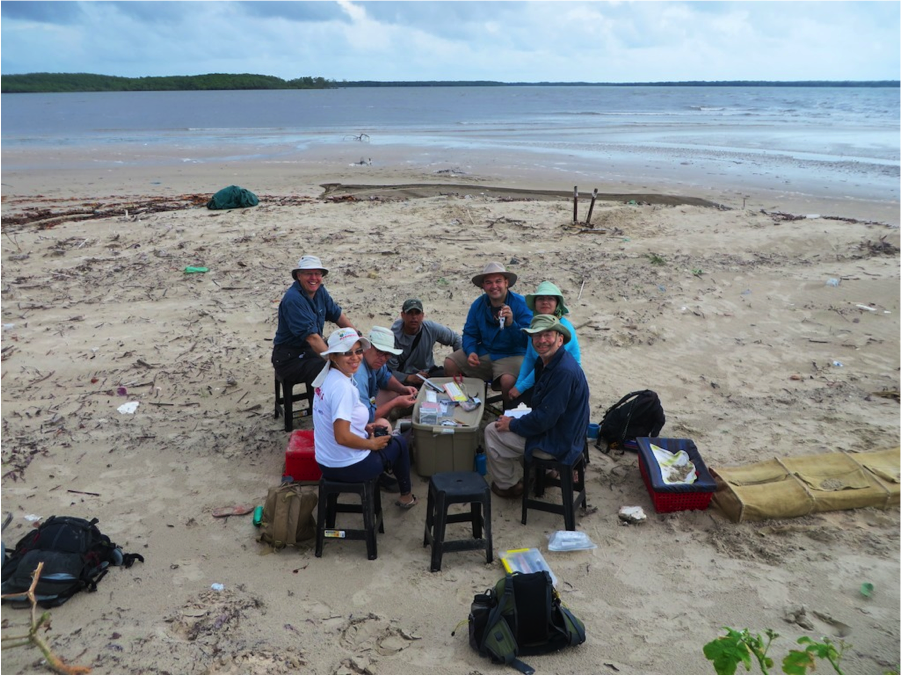
Here are blog updates on a shorebird research trip to Brazil that I took part in.
http://arubewithaview.com/2014/03/10/maranhao-lost-and-found/
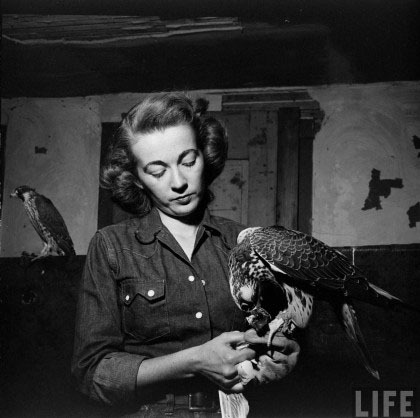
Mad Men go falcon trapping. Post at Cool Green Science:
http://blog.nature.org/science/2014/01/27/mad-men-go-falcon-trapping/
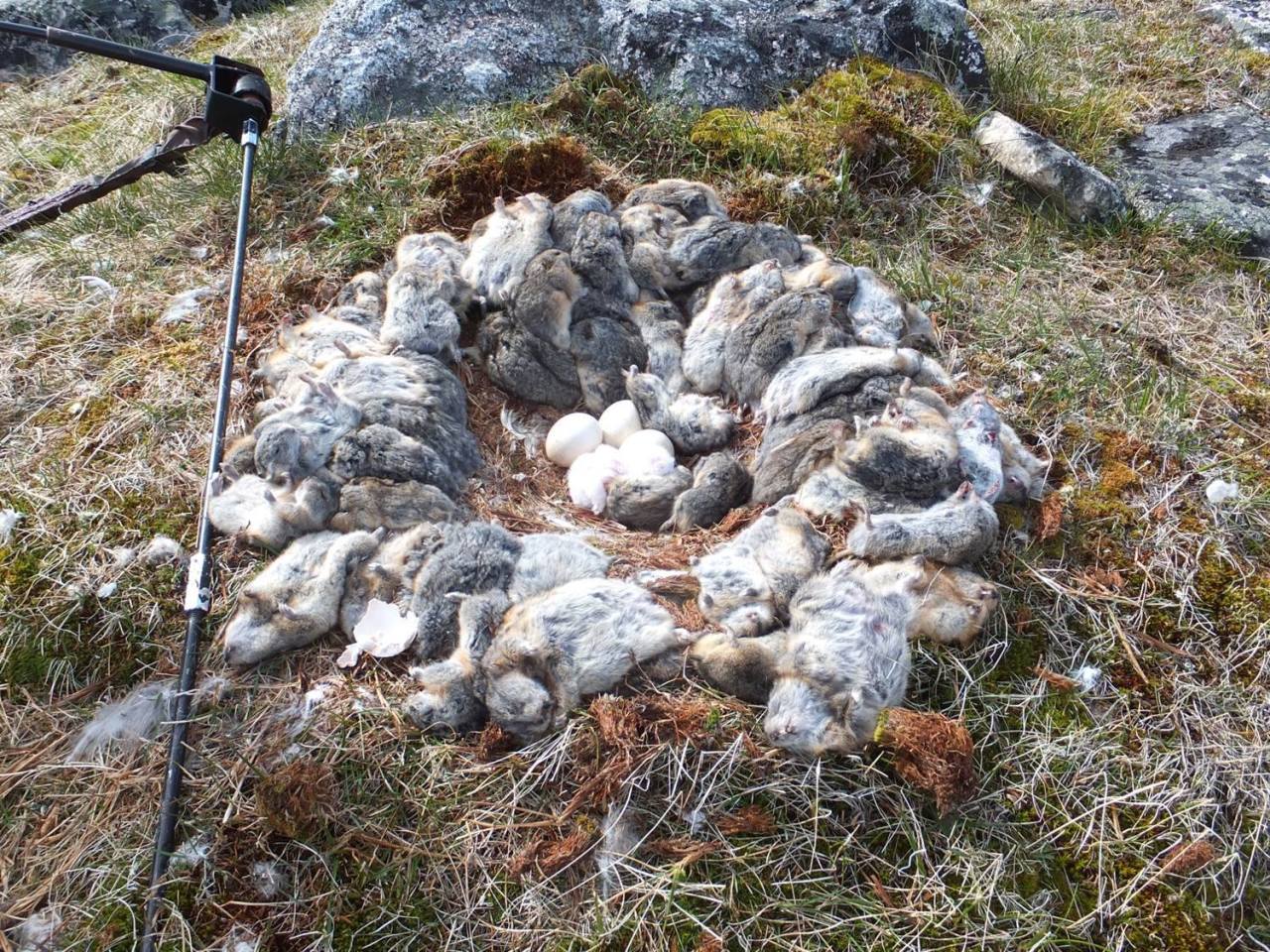
The Amazing Lemming: The Rodent Behind the Snowy Owl Invasion? http://bit.ly/1bPNxG9
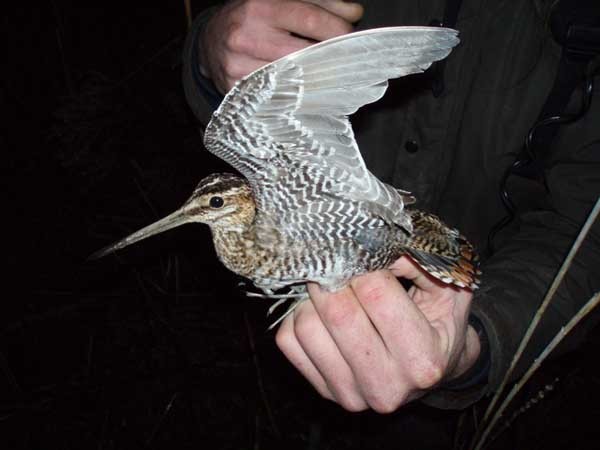
Snipe hunting is just a practical joke, right? Well, not quite. Joe Smith shows how ornithologists utilize “snipe hunting” tactics in their field research. Seriously.
http://blog.nature.org/science/2014/01/14/the-snipe-hunt-myth-and-reality/
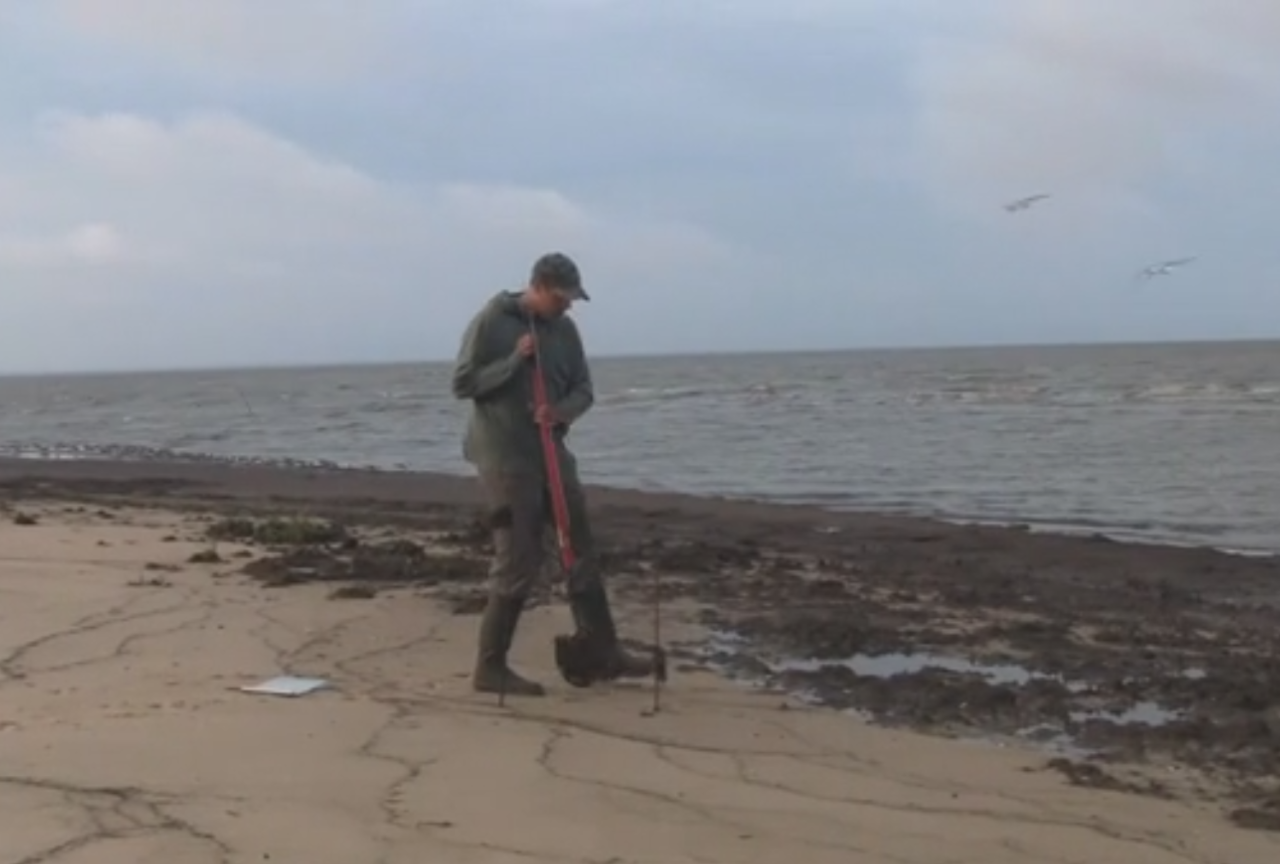
Trailer for “A race against time” a video chronicling the restoration of Delaware Bay beaches after Hurricane Sandy for horseshoe crabs and shorebirds. https://vimeo.com/82295439
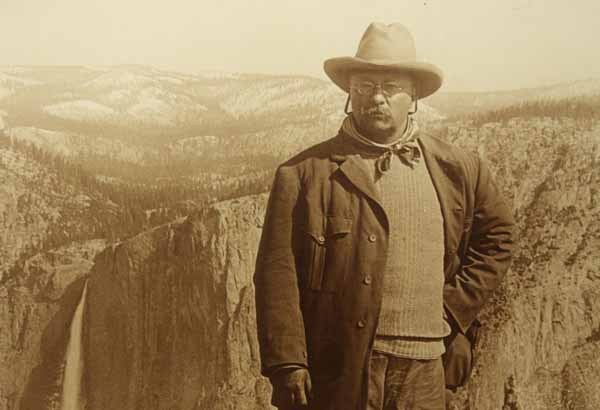
New post at Cool Green Science about Teddy Roosevelt’s White House yard list. http://blog.nature.org/science/2013/11/14/theodore-roosevelt-the-birding-citizen-scientist-in-chief/
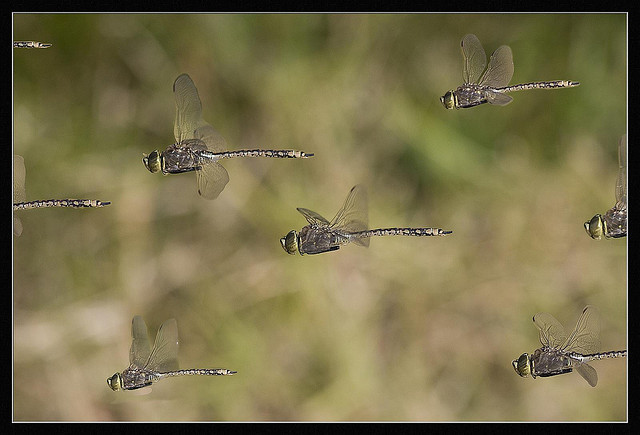
New post at Cool Green Science about dragonfly migration! http://bit.ly/1eUfWuZ
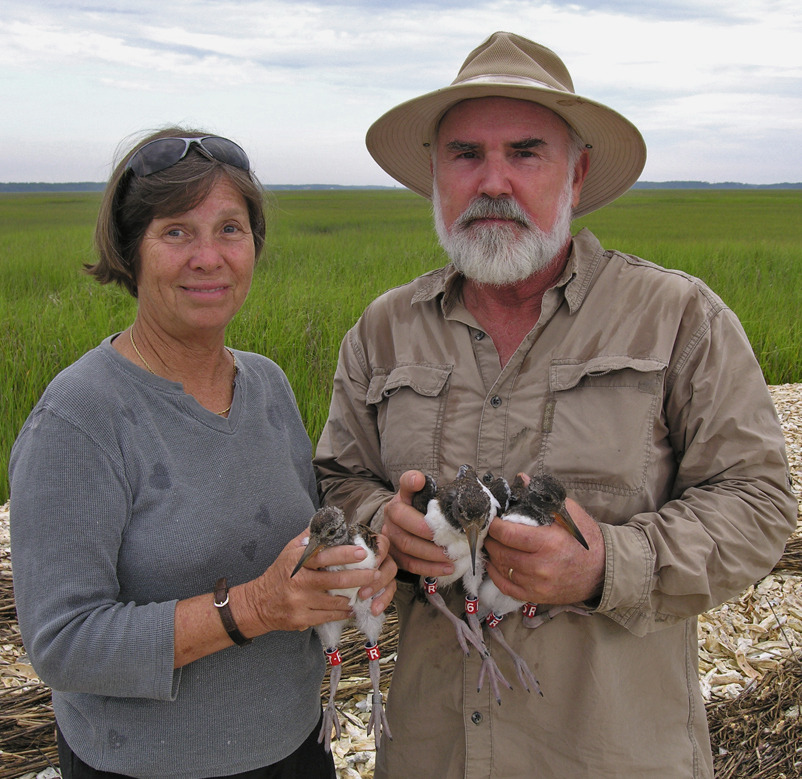
New blog post at Cool Green Science about Doris and Pat Leary’s accomplishments in bird resighting. http://blog.nature.org/science/2013/08/05/banded-birds-citizen-science/
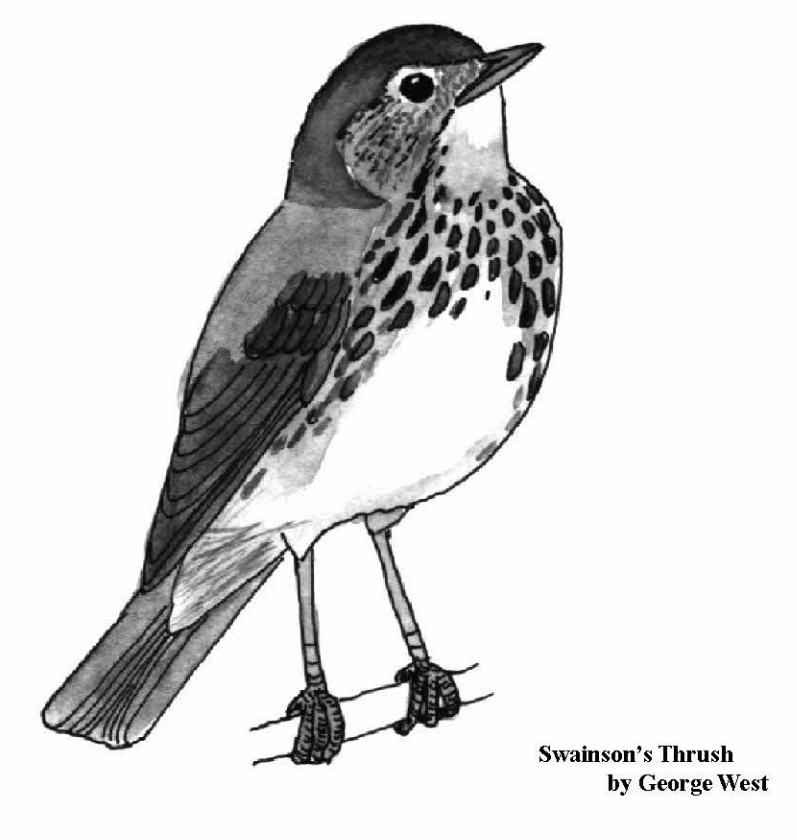
New paper on weird molt patterns in young Swainson’s thrush during their first winter in Ecuador. Larson, K.W., Smith, J.A.M., Merker, S.A., Reitsma, L.R. 2013. Plasticity in the Swainson’s Thrush (Catharus ustulatus) First Pre-basic Molt. North American Bird Bander. 38(1):28-30. Read it here: http://bit.ly/150qR3N
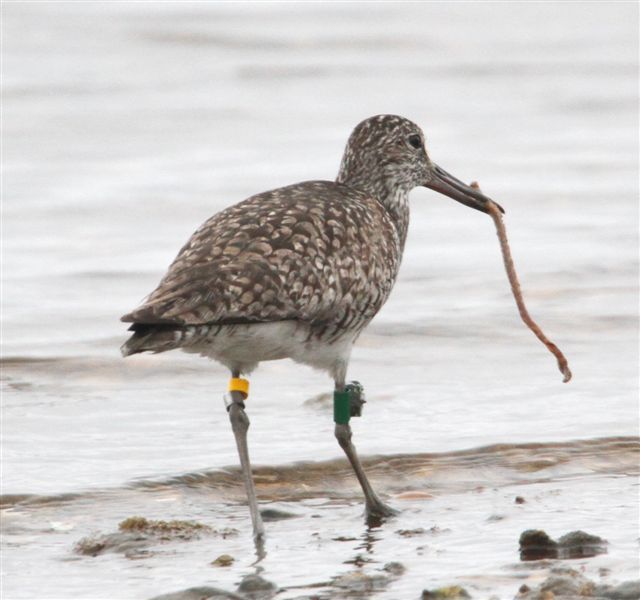
//One of our Martha’s Vineyard willets (wearing a geolocator) chowing down on a worm. That worm will fuel its migration to South America. This willet should be departing any day now. Thanks to Lanny McDowell for the photo! See more of his photos here: http://ottgallerymv.com/lanny_mcdowell_avian_art.html
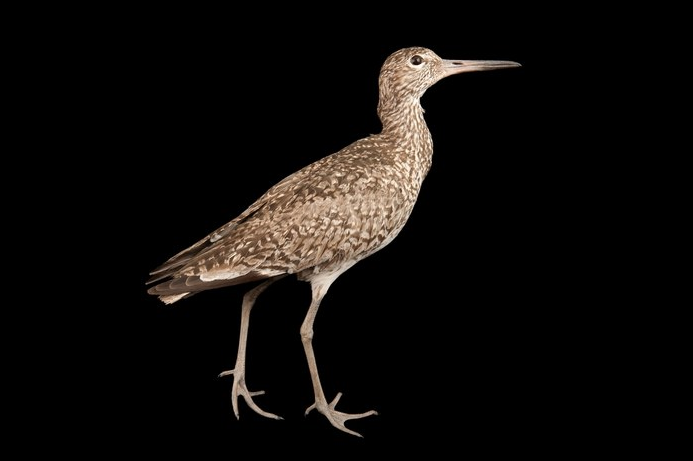
One of our willets got some glamour shots courtesy of Joel Sartore. www.joelsartore.com
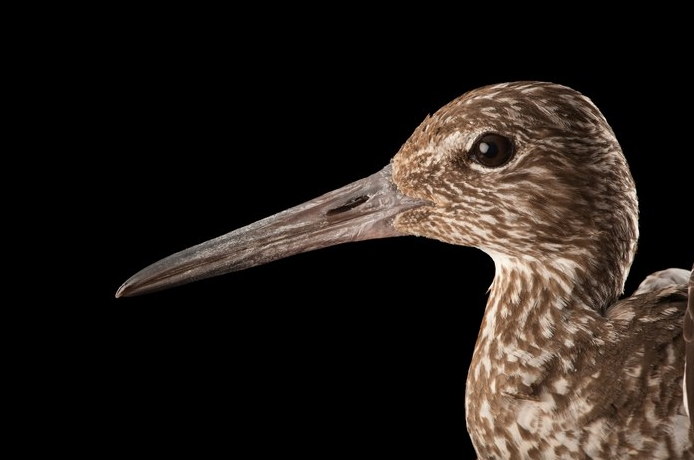
One of our willets got some glamour shots courtesy of Joel Sartore. www.joelsartore.com
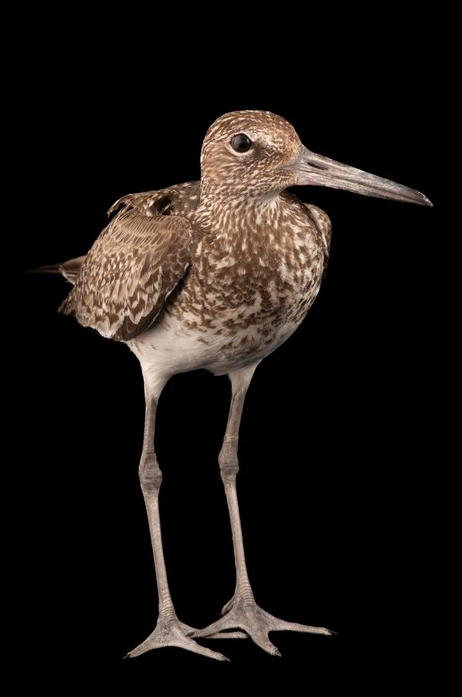
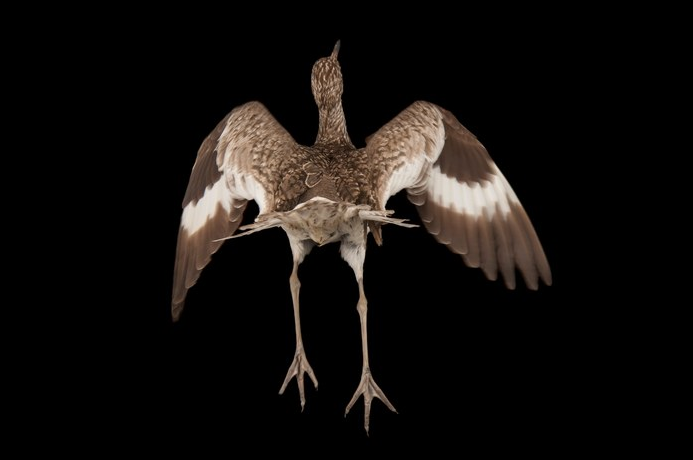
One of our willets got some glamour shots courtesy of Joel Sartore.www.joelsartore.com
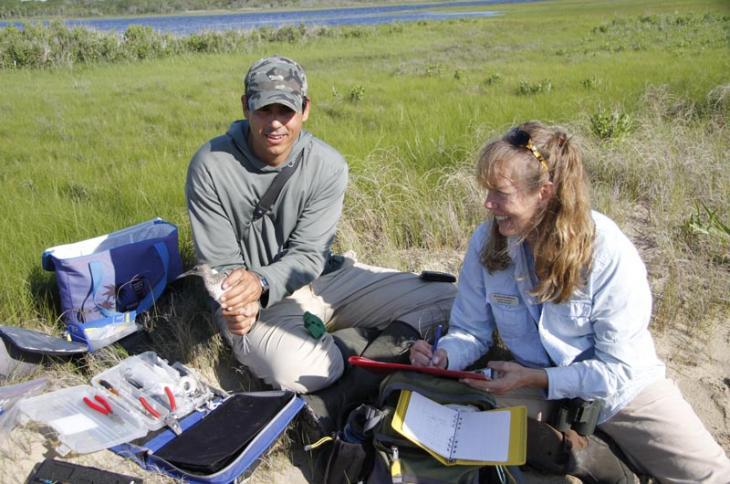
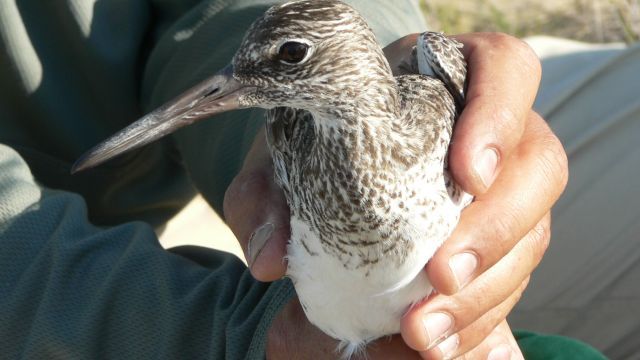
An article about catching and tagging willets with Biodiversity Works in the Vineyard Gazette. http://bit.ly/15zR9G1
Martha’s Vineyard Times article about our willet work. http://bit.ly/11zRPJt
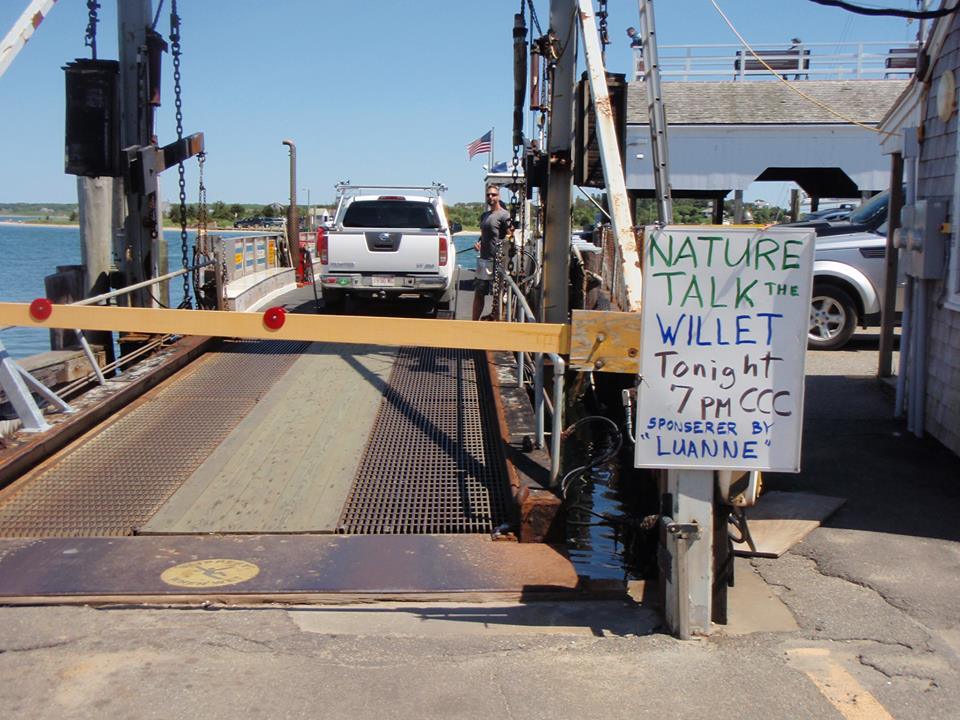
While visiting Martha’s Vineyard, I had the opportunity to give a talk about willet migration and conservation thanks to friends at Biodiversity Works. This is an advertisement at the Chappaquiddick Ferry.
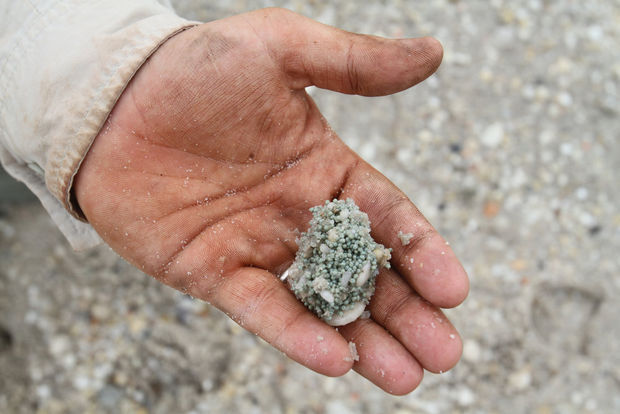
Article on Delaware Bay beach restoration project. “Plenty of eggs!" http://bit.ly/11asGDx
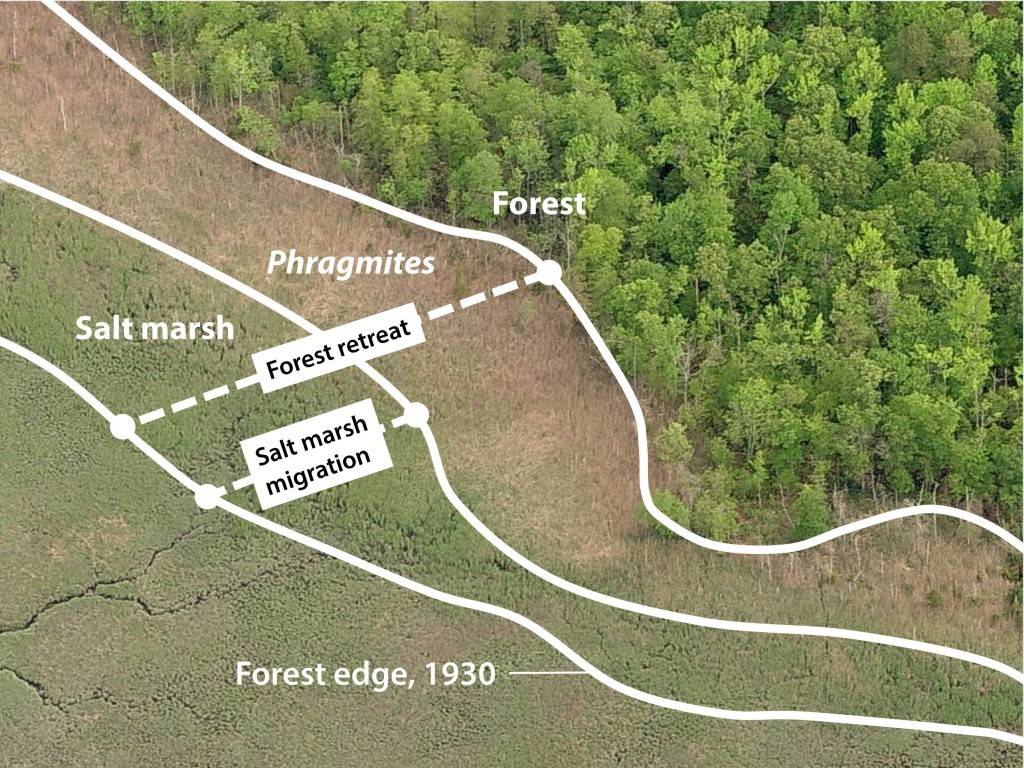
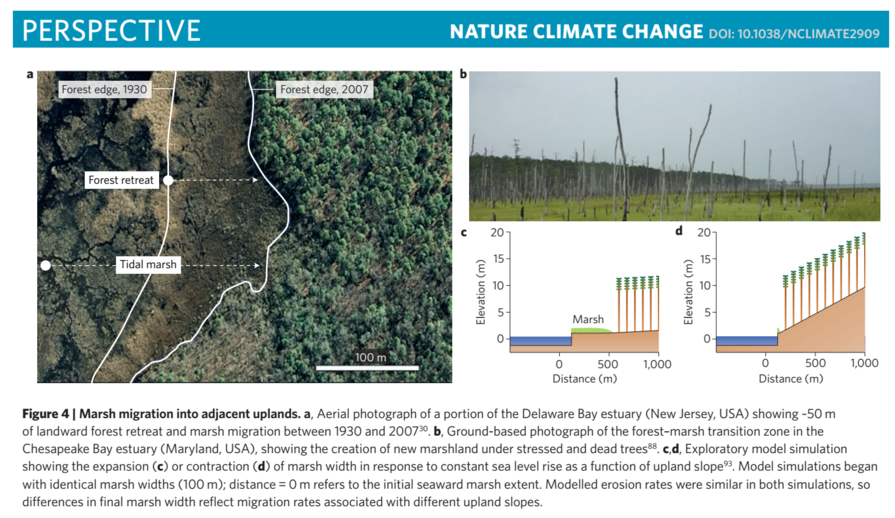
New paper published that investigates whether salt marshes are moving inland into dying forest as the sea level rises. Read it here: http://www.plosone.org/article/info%3Adoi%2F10.1371%2Fjournal.pone.0065091
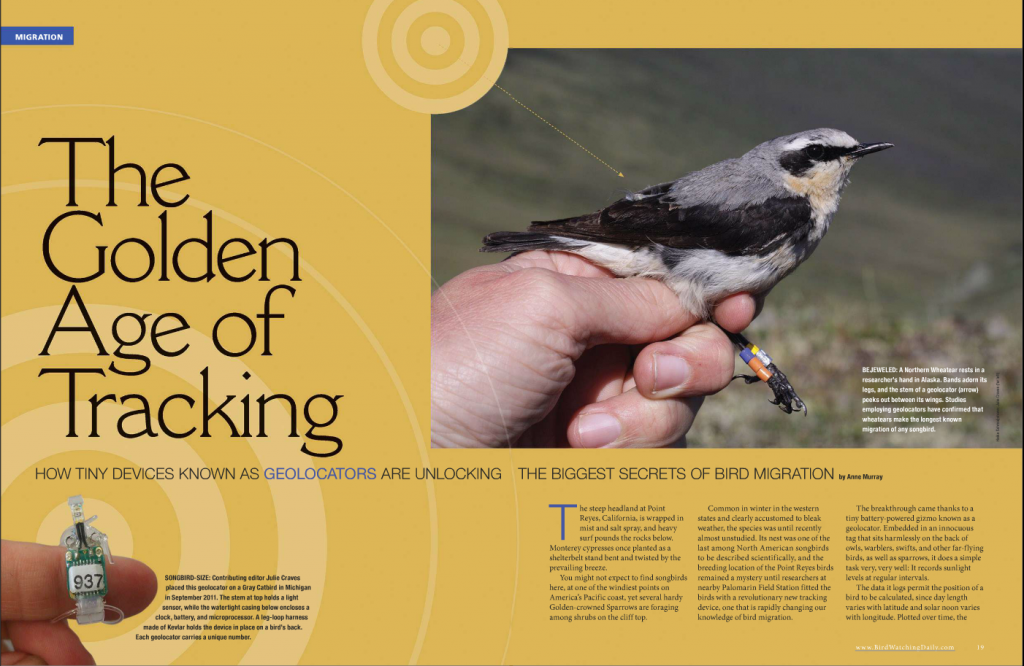
Willet project mentioned in “Golden Age of Tracking” article in the April issue of Birdwatching Magazine. http://bit.ly/WpD7HX
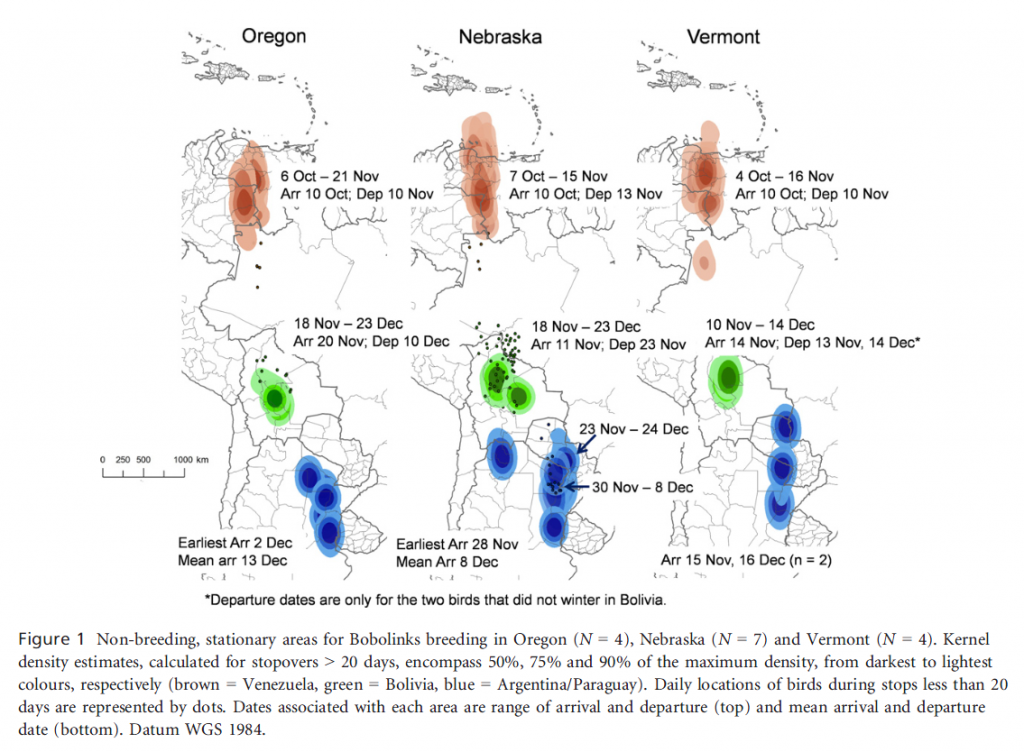
New paper in Diversity and Distributions about tracking Bobolink migration with geolocators. Read it here: http://bit.ly/10XYQGF
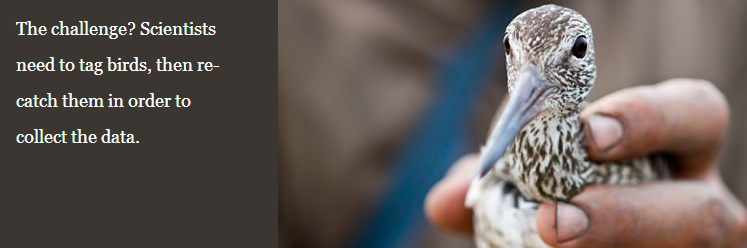
To catch a willet. New technology is transforming the study of migratory birds. http://bit.ly/12CQBku
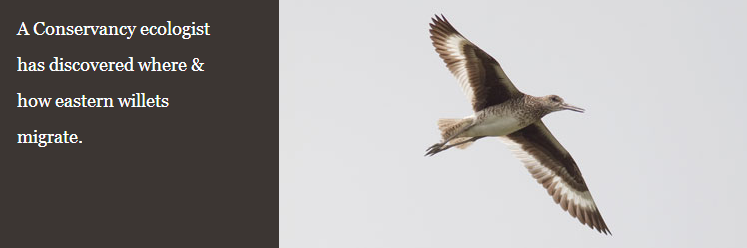
Secrets of Willet Migration Revealed. A 3-year research project is helping to lift the veil on migration. http://bit.ly/18iCl18