Coastal wildlife needs disturbance to thrive
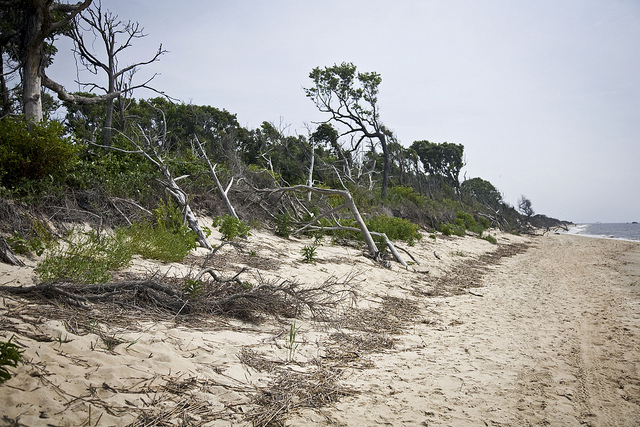
In order to thrive, beach-dependent species need storms, tides and winds to re-work their habitats.

Nature and conservation on the coast
In order to thrive, beach-dependent species need storms, tides and winds to re-work their habitats.
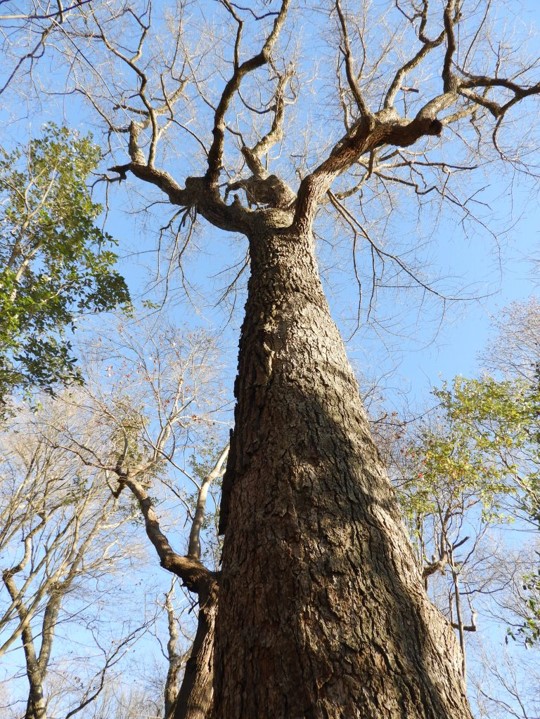
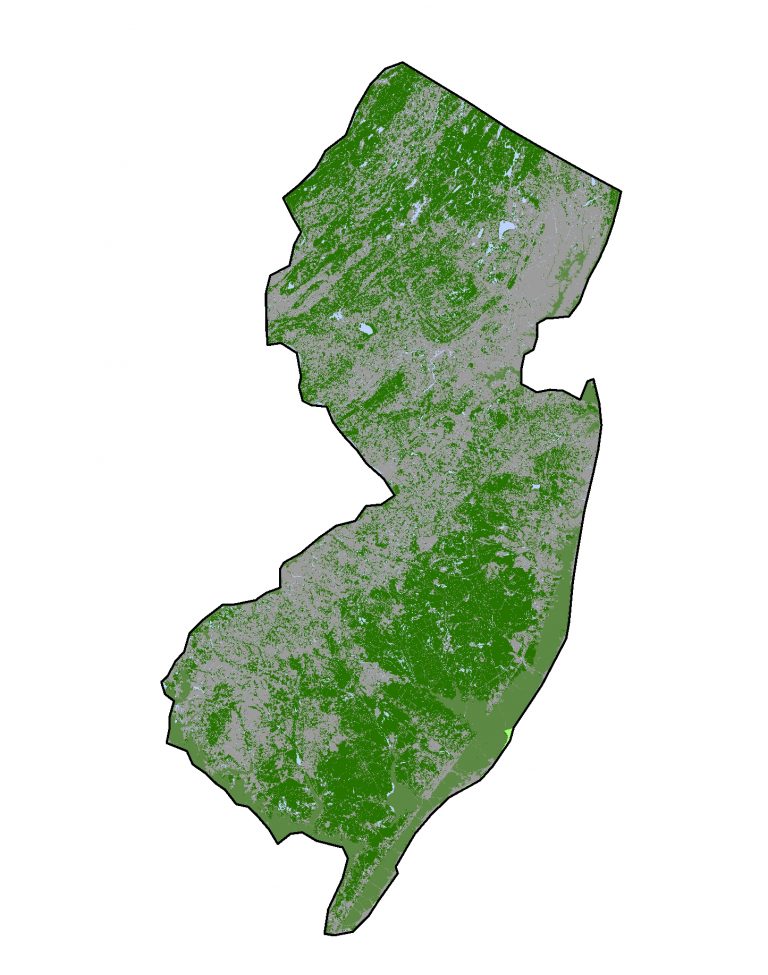
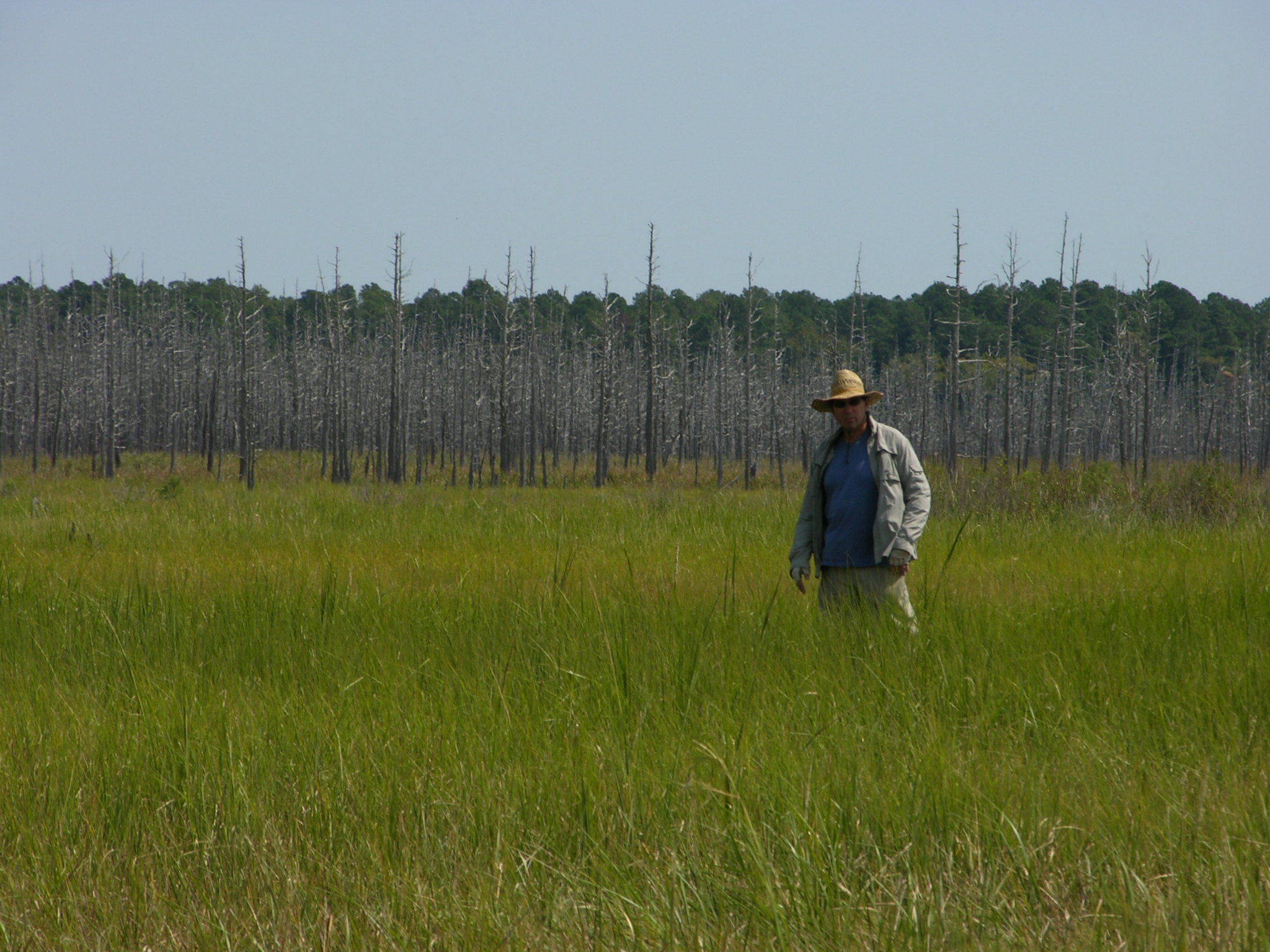
New Jersey's old growth forest is threatened by sea level rise and sand mining
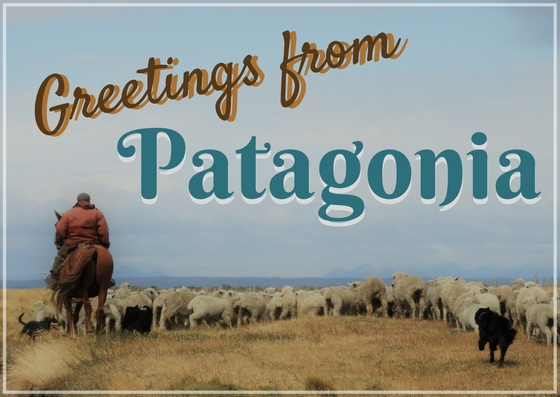
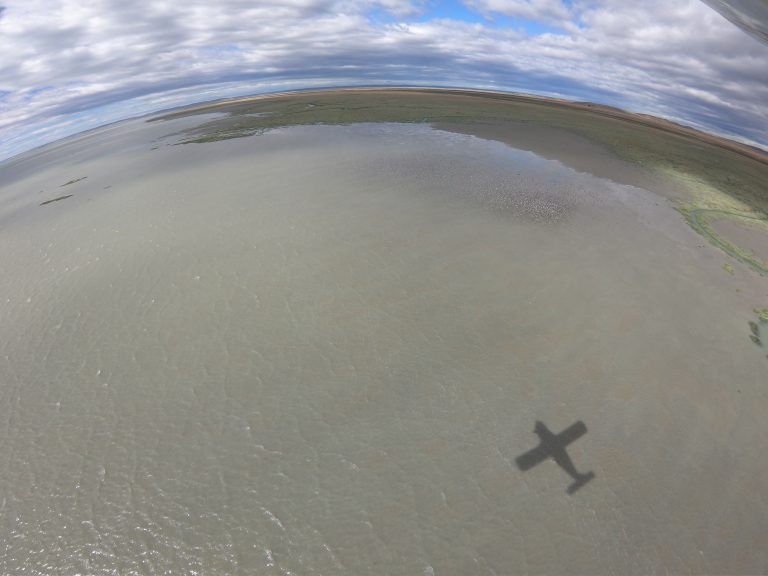
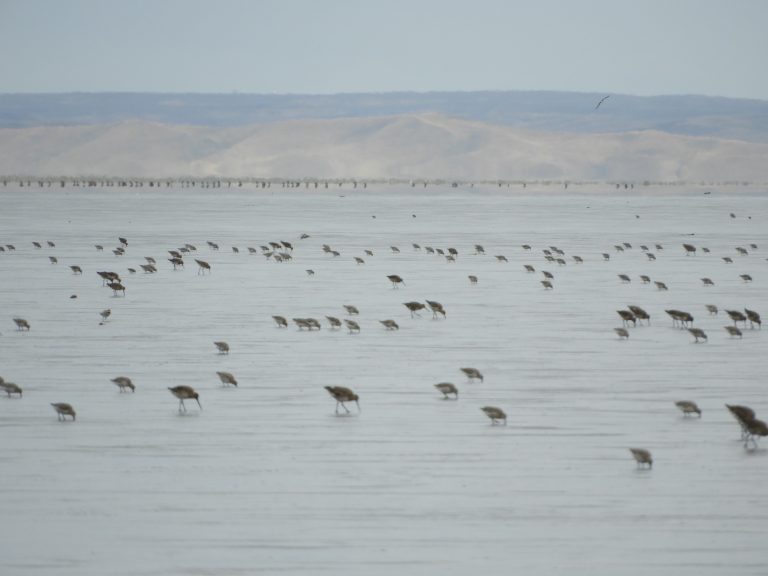
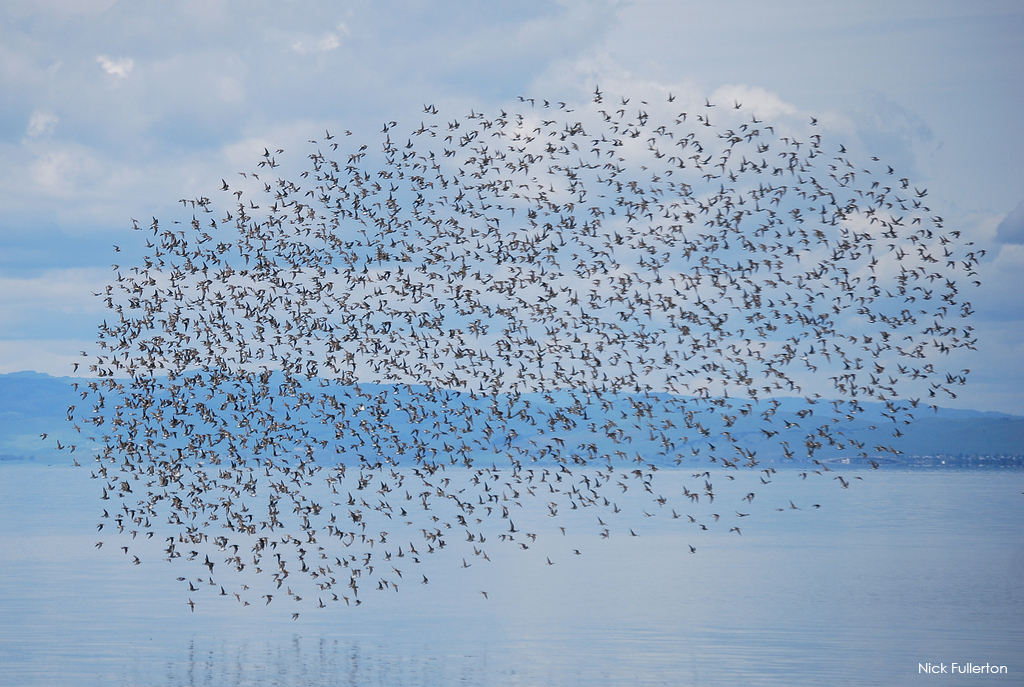
During our recent research trip to Tierra del Fuego, I had the chance to join Guy Morrison for aerial shorebird counts along the shores of Bahia Lomas.
Mile-for-mile it is still the biggest red knot population in the world. 10,000 knots roving a 30 mile coastline for 6 months of the year.
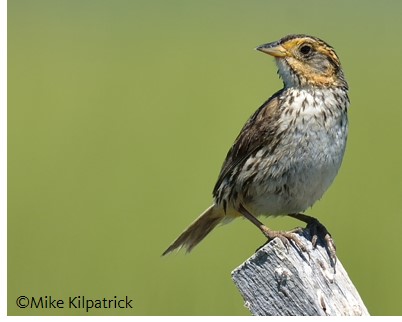
Are Cape May County’s salt marsh sparrows indicative of future sparrow apocalypse?
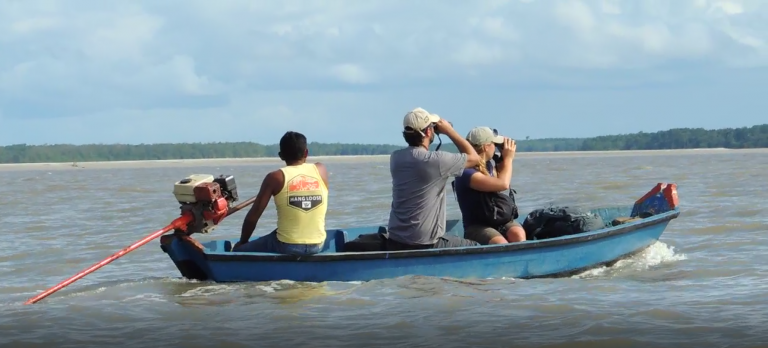
I shared in my previous post some of the purpose and findings from our expedition to Pará. Here are some some additional details and images from our travels.
Brazil's coastline in the northern states of Maranhão and Pará is one the most important places in the world for wintering shorebirds. Over the last two winters, we have done field surveys at numerous sites throughout this region.
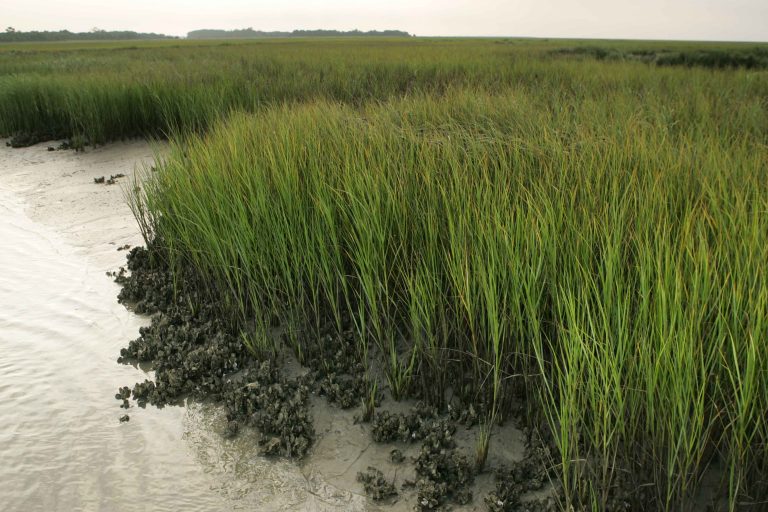
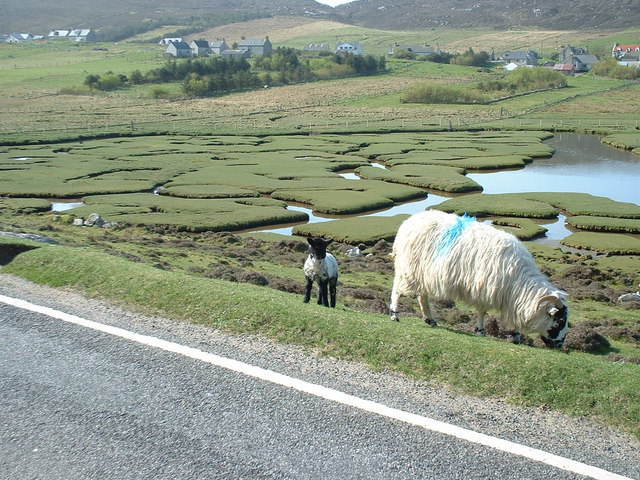
The marsh pool cycle is sublime. In a coastal landscape where we are accustomed to seeing mostly habitat loss, the pond cycle is a source of regeneration and resilience.
We New Jerseyans have it rough. Although we have some of the most spectacular and extensive natural landscapes in the Northeast, these natural wonders seem to be overshadowed by our unshakable (negative) reputation.
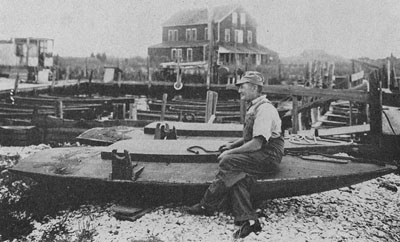
A bait and switch post: I lure you in with quaint stories of wild foraging on the Delaware Bay in the 1950s and then lapse into a discussion of fisheries research.
An aspect of New Jersey's marshes that has always puzzled me is: why are the Delaware Bay's marshes are treacherously muddy and difficult to traverse?
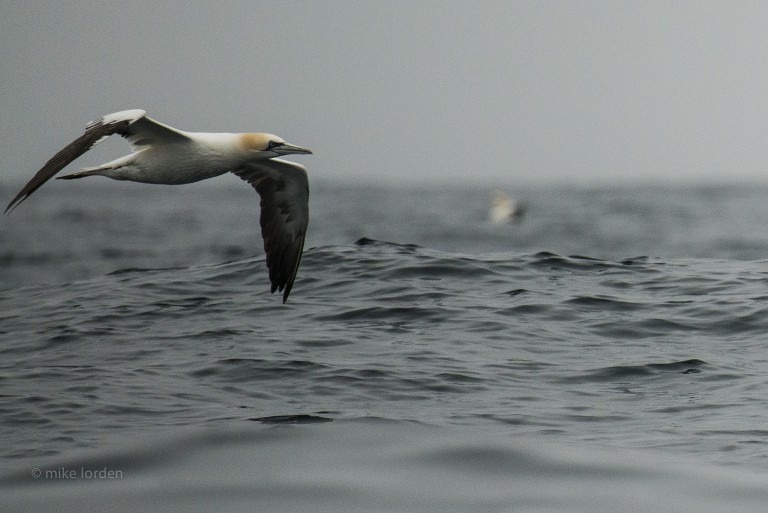
Twice a year gannets make a dramatic appearance on our coastline.
I just returned from a conservation research expedition along the northern coast of Brazil. I was part of multi-organization, multinational team tasked with mapping habitat for around eight species of shorebirds. It is a two-year project that aims to generate habitat maps that can be used for conservation planning and the identification of current and future threats to shorebirds in the region.
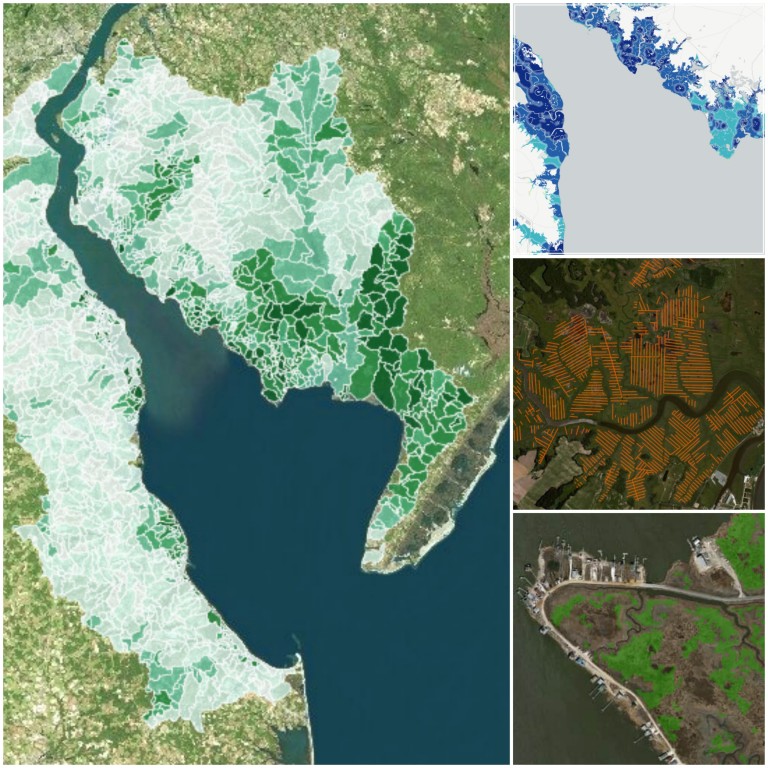
To achieve a bay-wide perspective on tidal marsh attributes across the Delaware Estuary, I developed a series of maps that illustrate an array of ecological components relavent to marshes. Taken together, the perspective offered by these maps can help reveal new approaches to the conservation and restoration of this landscape.
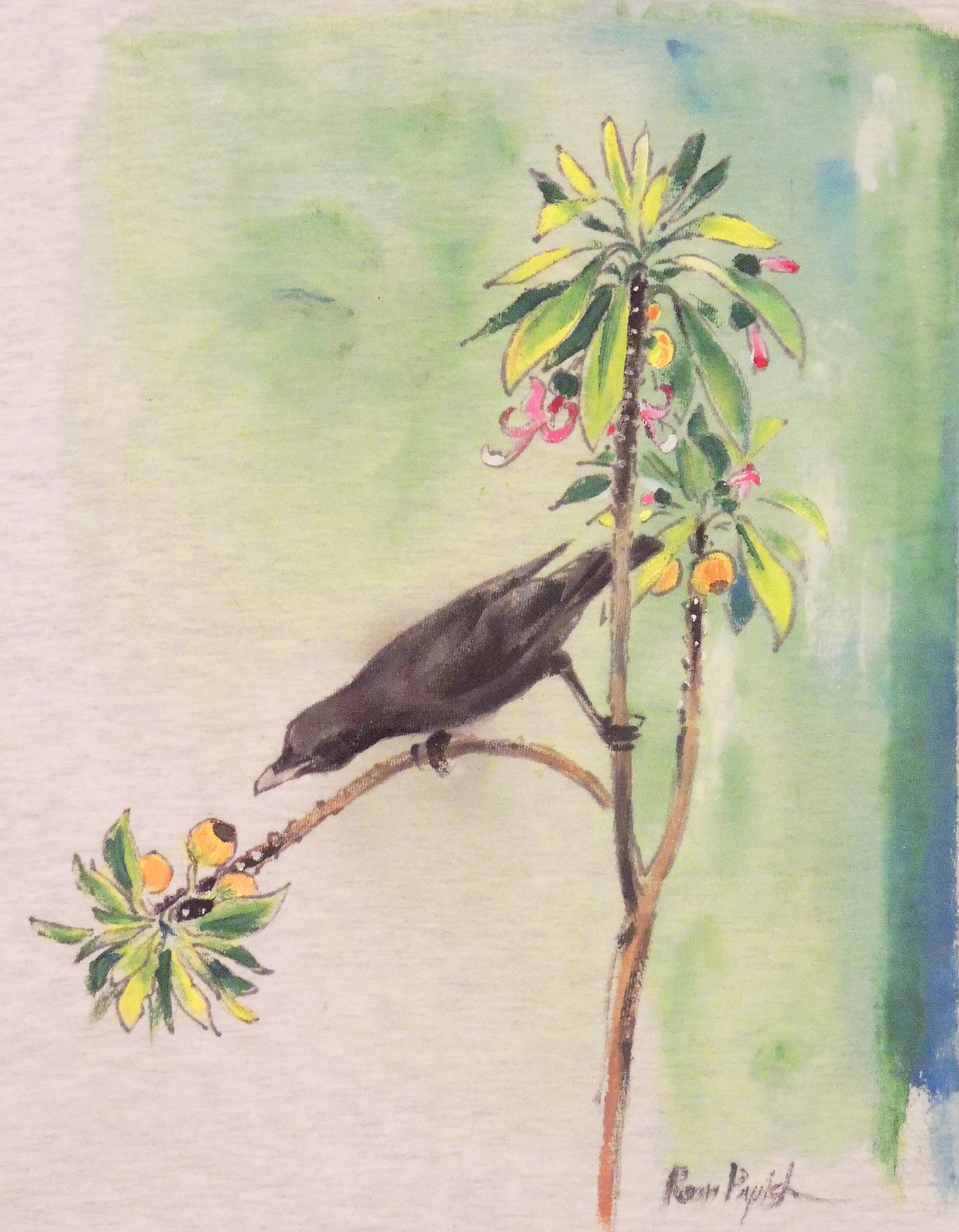
The book Seeking the Sacred Raven is the chronicle of conservation efforts for the Hawaiian Crow (or ‘Alalā) over several decades. The tale culminates in failure: the extinction of the crow in the wild.
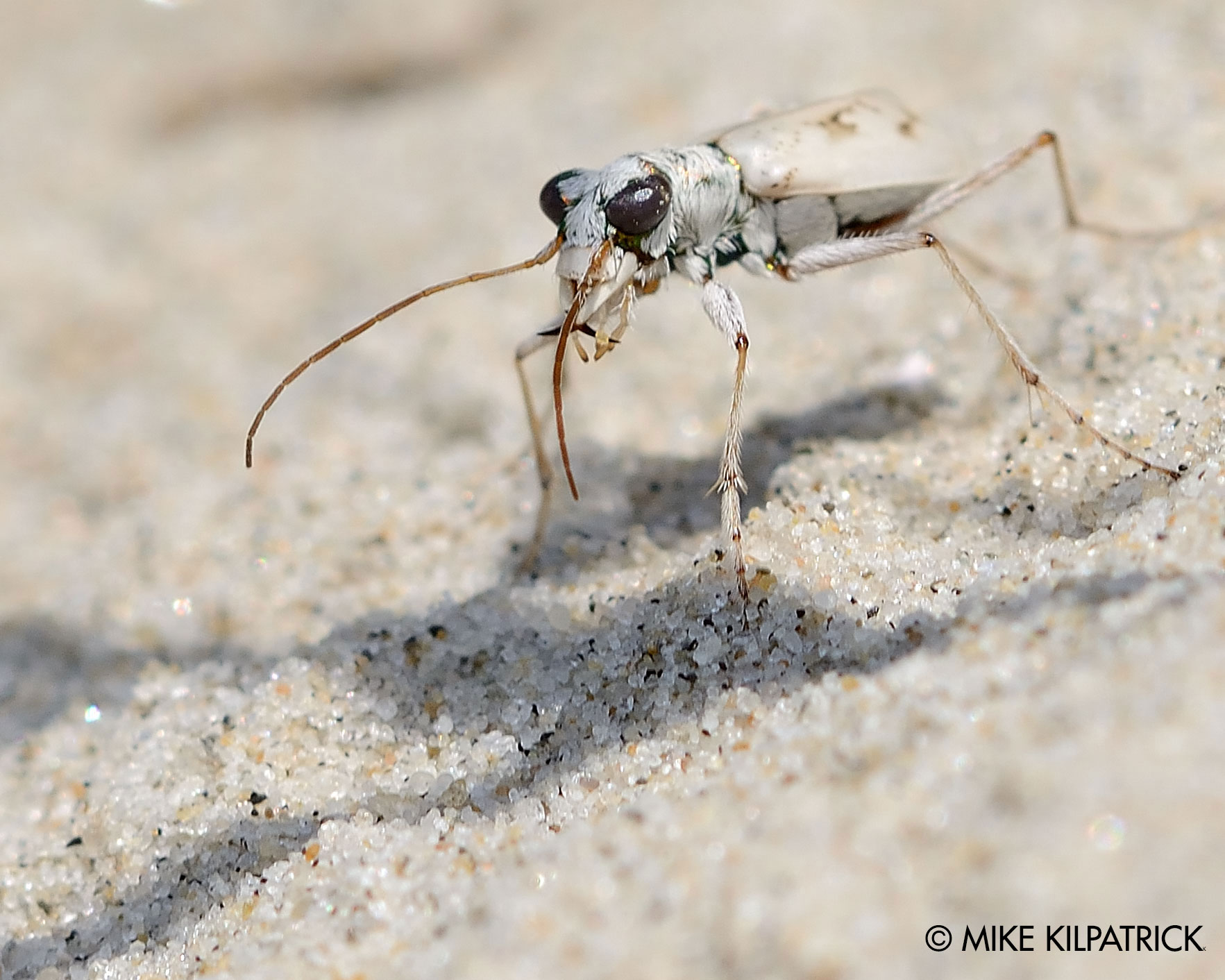
This is the dune ghost (Ellipsoptera lepida), a beautiful cream-colored tiger beetle that I have been getting to know at a few sites in New Jersey.
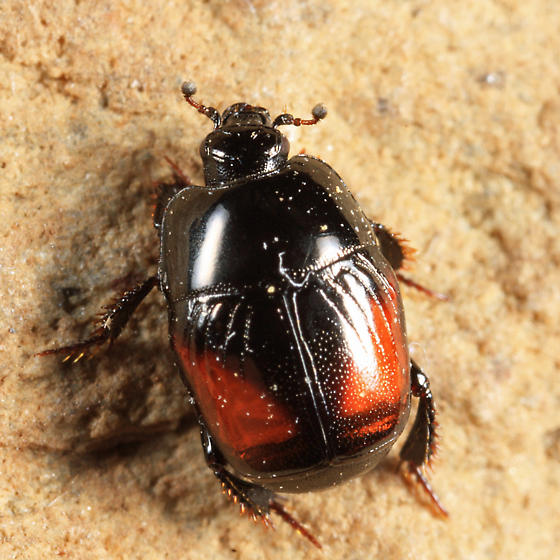
The beetle pictured above is the Histerid beetle, Baeckmanniolus dimidiatipennis. It is an important clue in an an ongoing mystery regarding the meiofauna associated with horseshoe crab eggs.
I've spent the last month, tide in, tide out, on Delaware Bay beaches. With the help of a great team, I've been monitoring horseshoe crabs, their eggs and the shorebirds eating the eggs. The work continues, but here a some photo highlights so far.
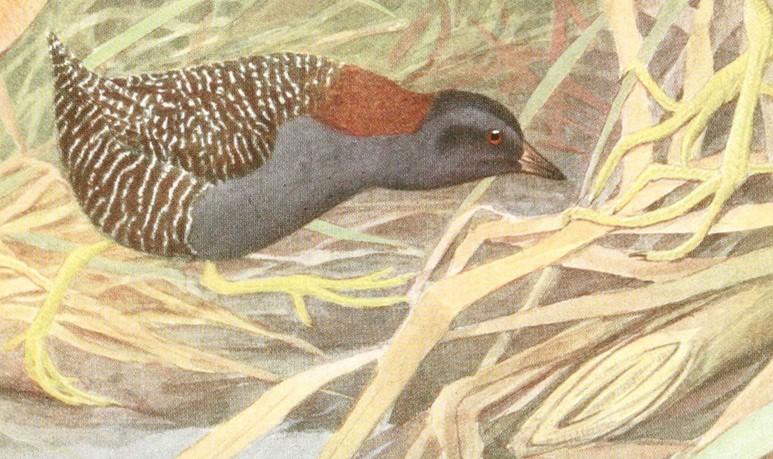
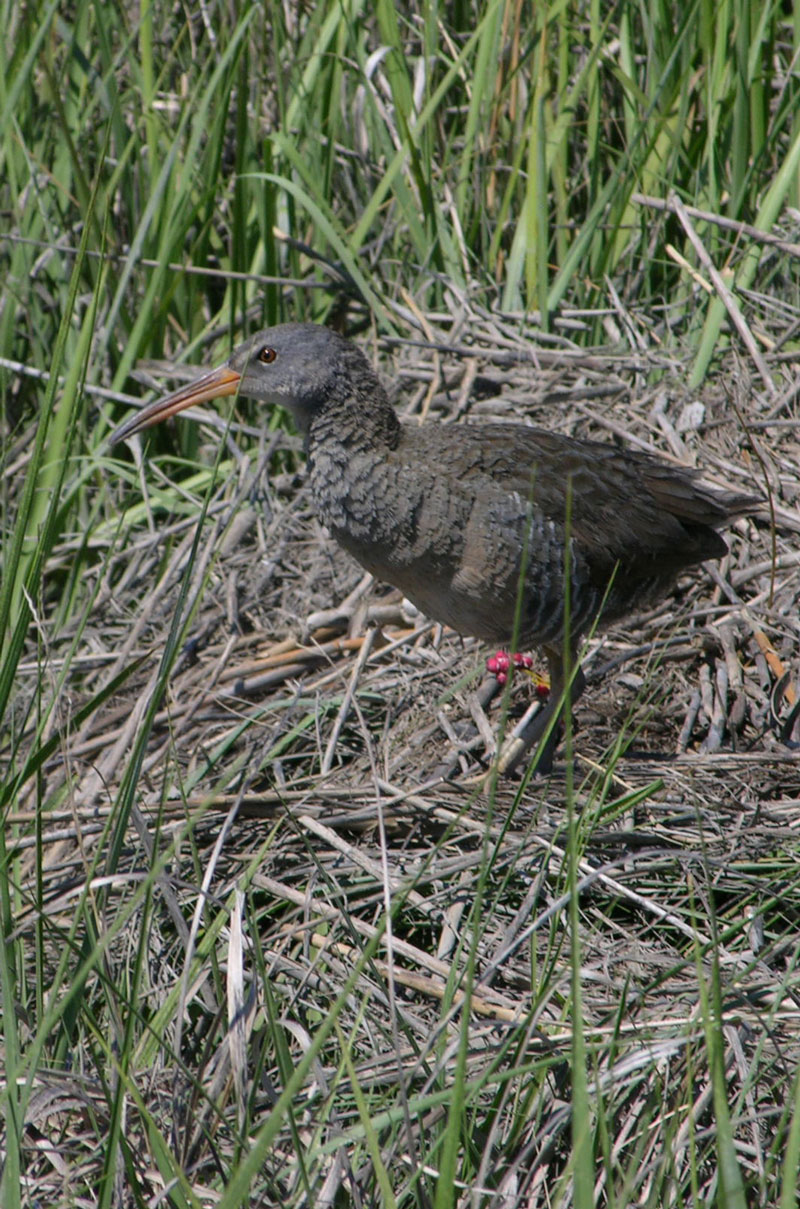
New surveys will soon tell us how black rails have fared during a period of great change in Delaware Bay marshes.
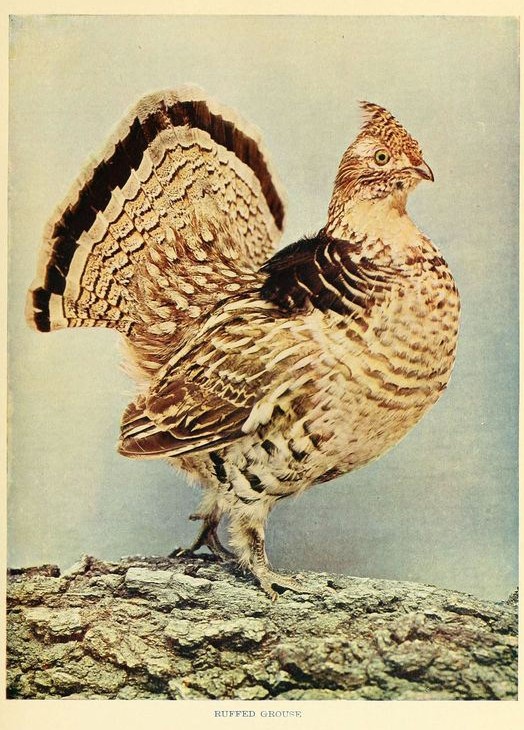
Once upon a time in New Jersey, our piney flatlands were home to not one, but two wild chickens - the heath hen and the ruffed grouse. We lost the heath hen long ago, beyond living memory, but the ruffed grouse has disappeared right before our eyes in the last 20 years.
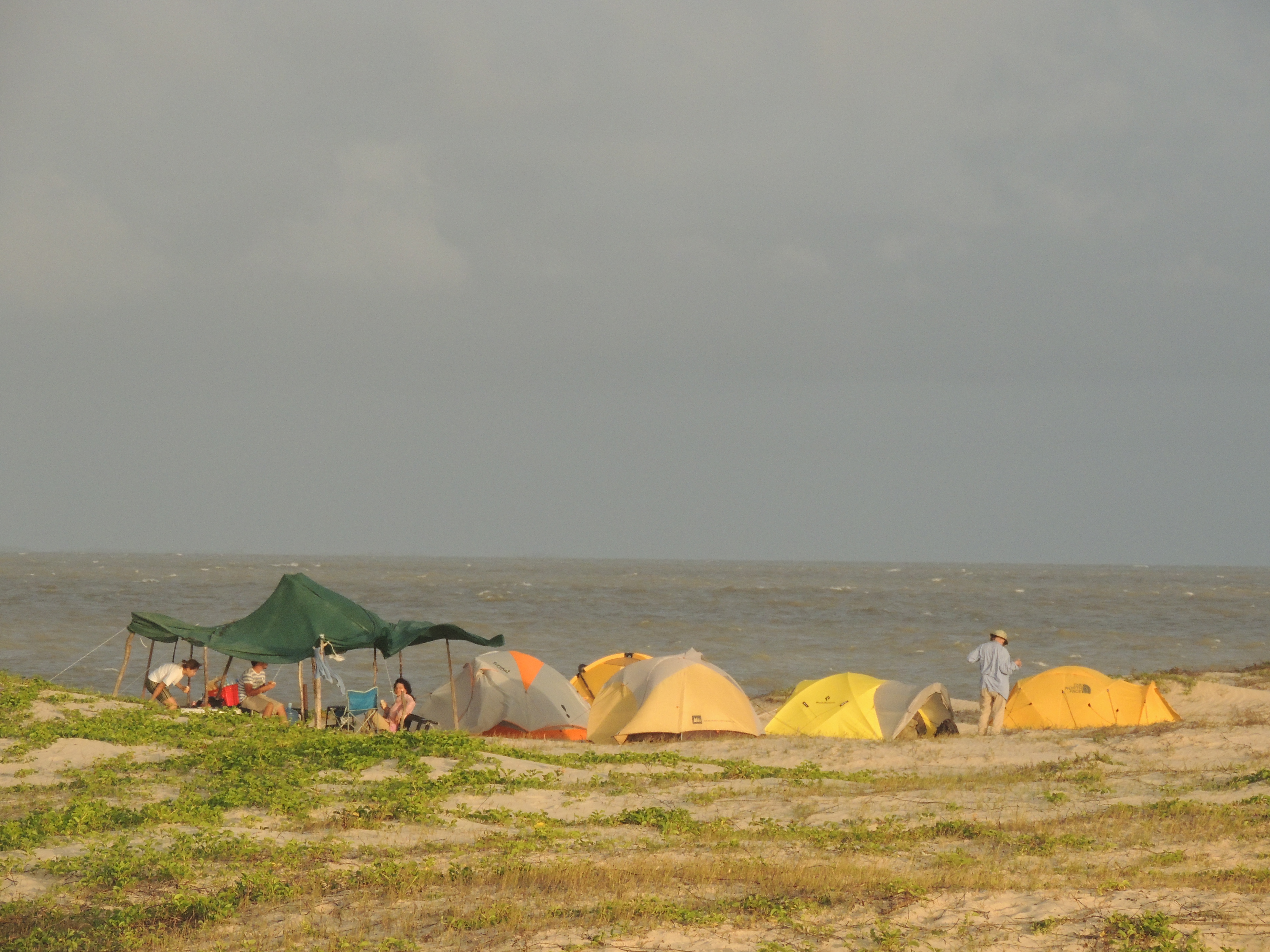
For eleven days a little sand spit that hardly appears on maps was our whole world. It is breathtaking to comprehend that we only had a pinhole view of an immense coastal wilderness full of many more places like it.
Thinking about a nature preserve in my neighborhood has helped me come to a clearer understanding of how the ecosystem services rationale relates to the value people had for nature during previous generations.
Bennett Bogs is a legendary Cape May botany spot. It holds a unique and diverse array of plants many of which normally occur further to the South.
The more you learn about nature, the more there is to look forward to.
There are a lot of young horseshoe crabs in the Delaware Bay right now. It's a big resource and we can pretty sure that birds, fish and other critters are exploiting it if they can.
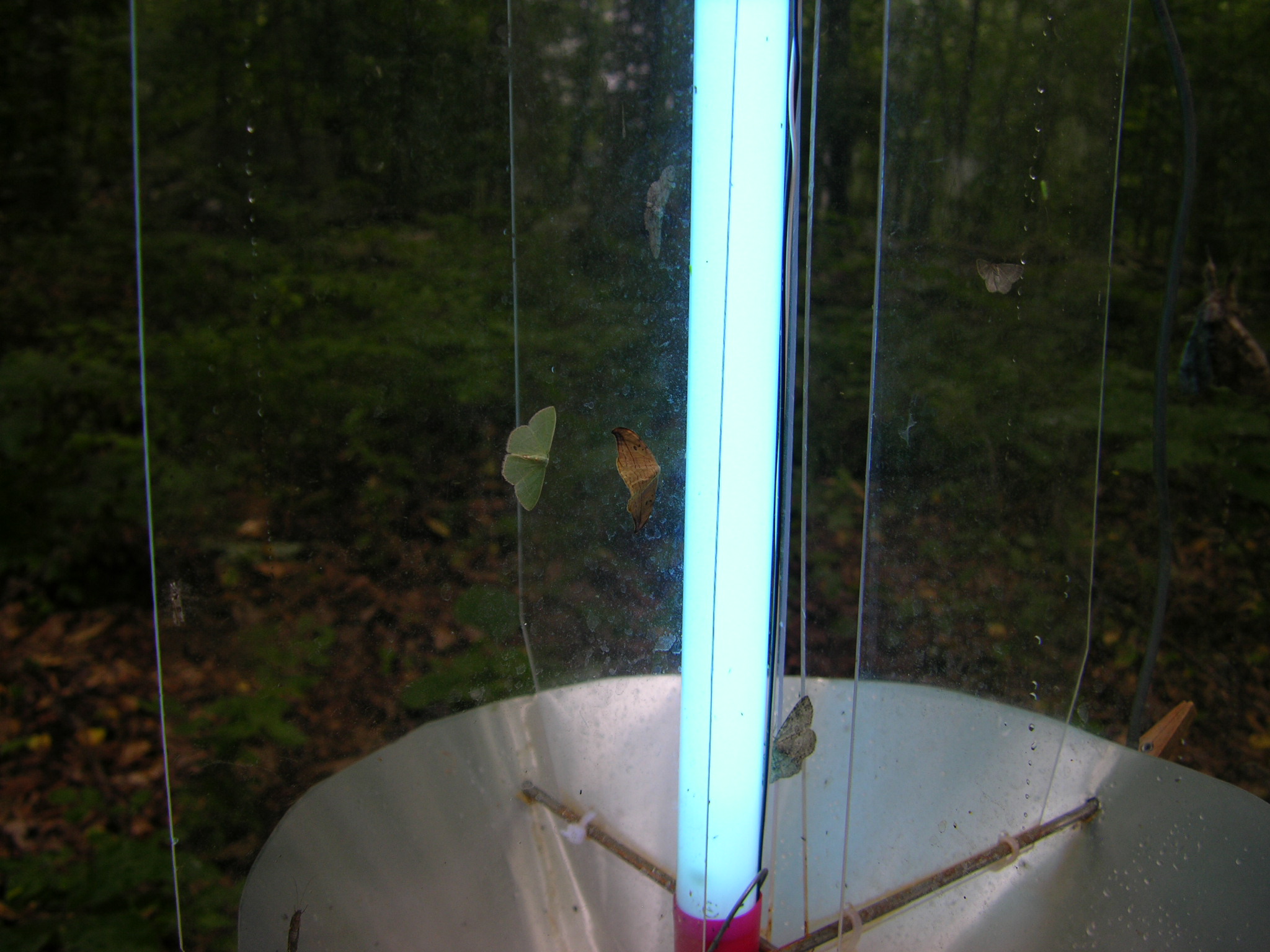
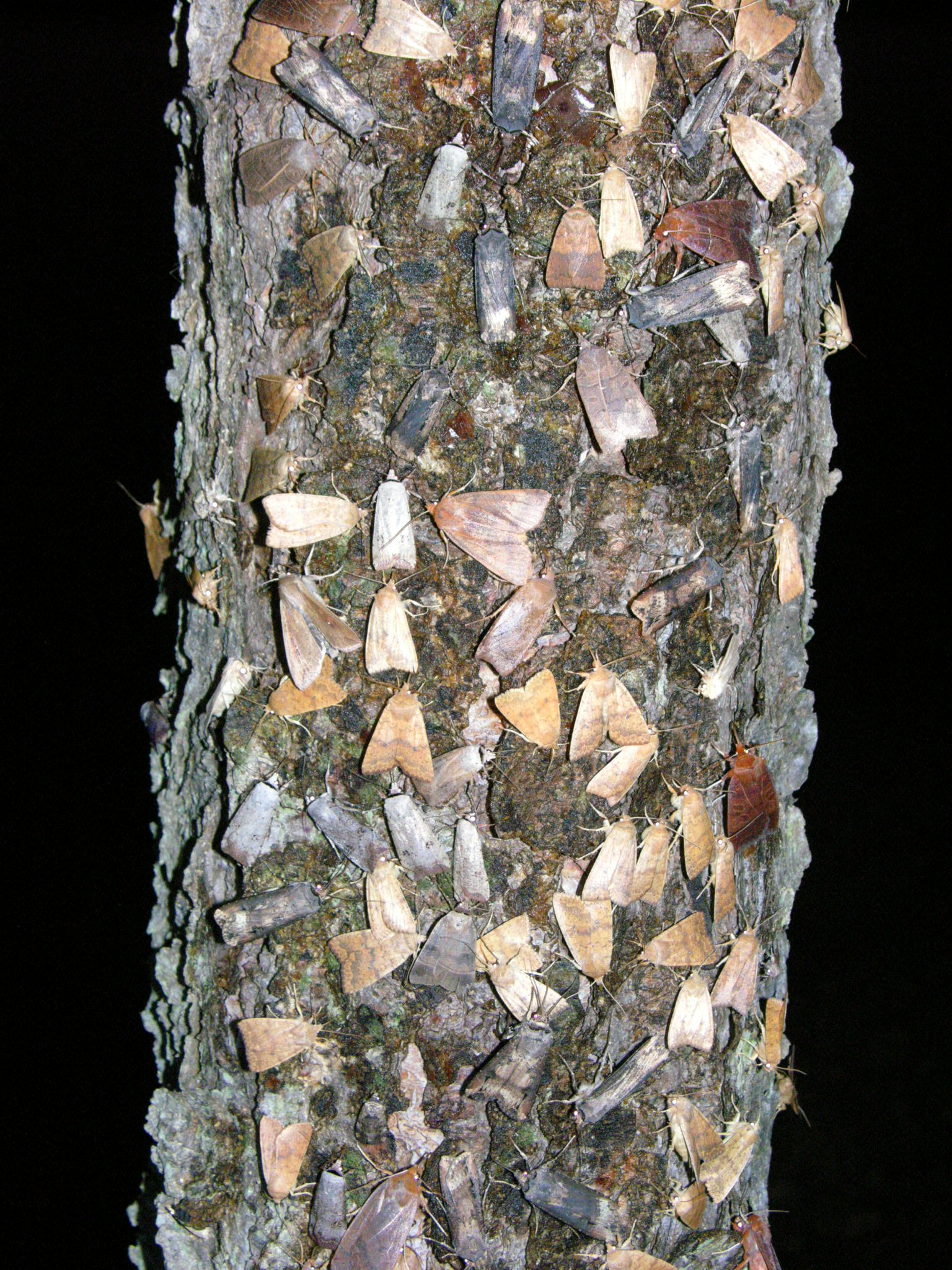
Searching for disappearing understory specialist moths and butterflies and the plants they depend on.
There is much to learn about the interaction of the meiofauna with horseshoe crab eggs. It would stand to reason that the notoriously nutritious horseshoe crab egg would be capitalized on by the creatures living under the sand. Meiofauna drawing © Den Store Danske
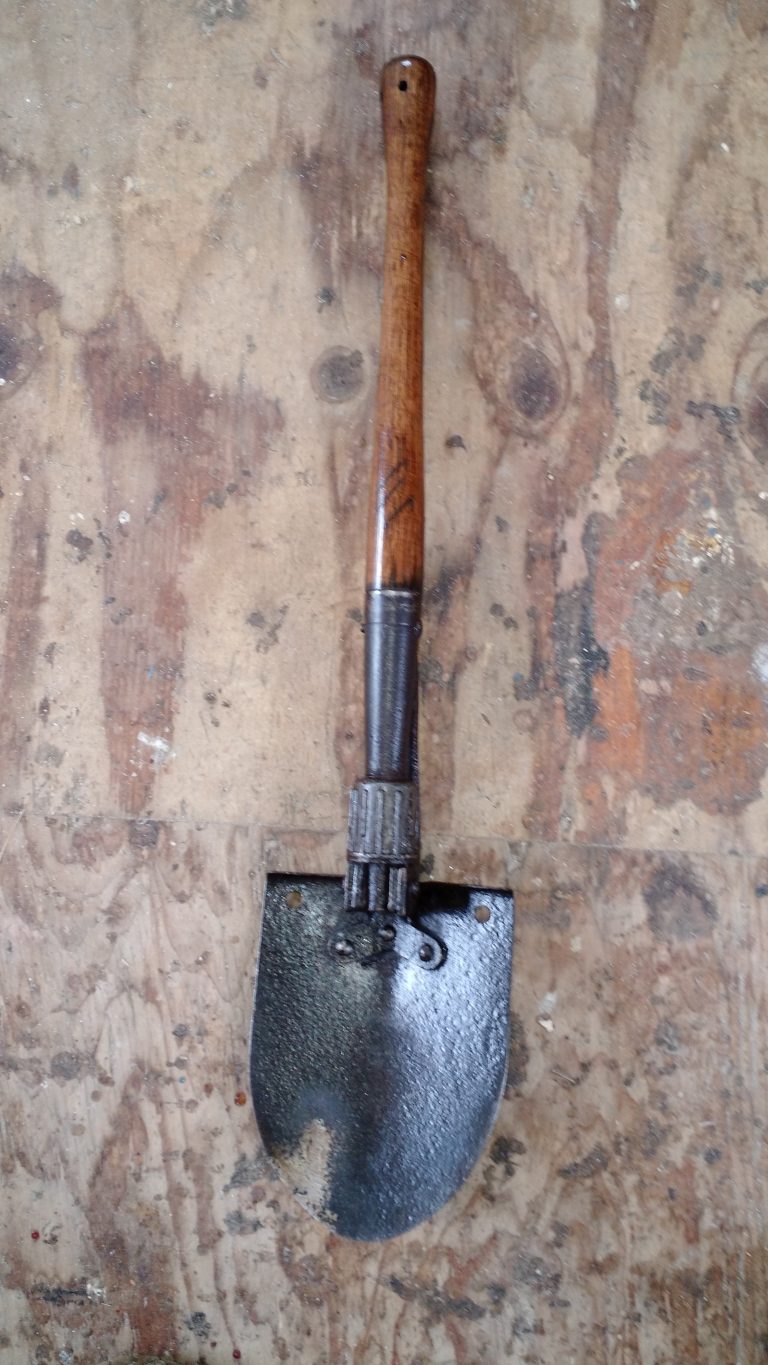
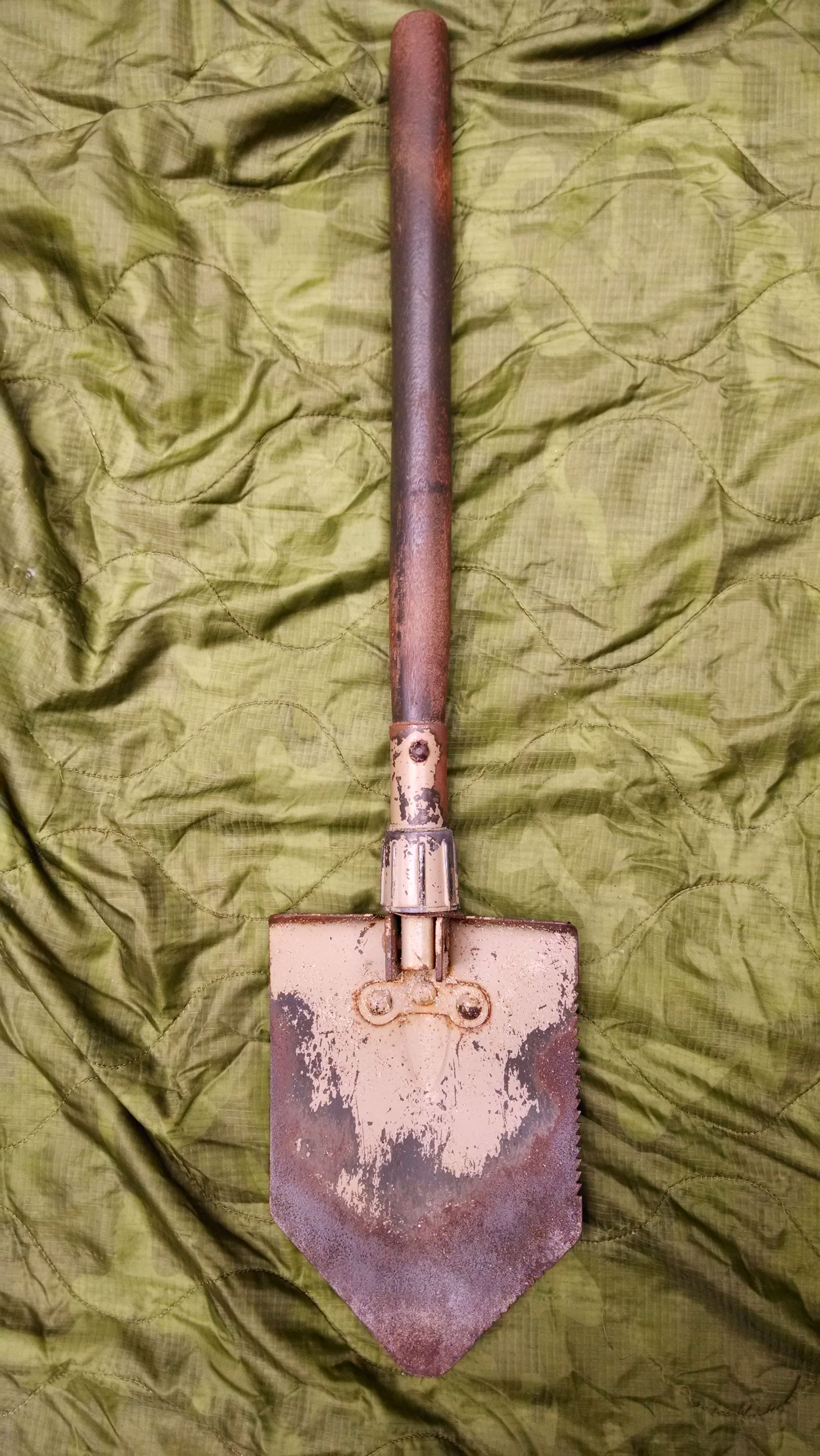
Entrenching shovels are great for counting horseshoe crab egg clusters. They should also be in every zombie hunter's toolkit.
Environmental stochasticity is "unpredictable spatiotemporal fluctuation in environmental conditions". I think I experienced such a thing when I was caught in a hail storm on the Delaware Bay last week.
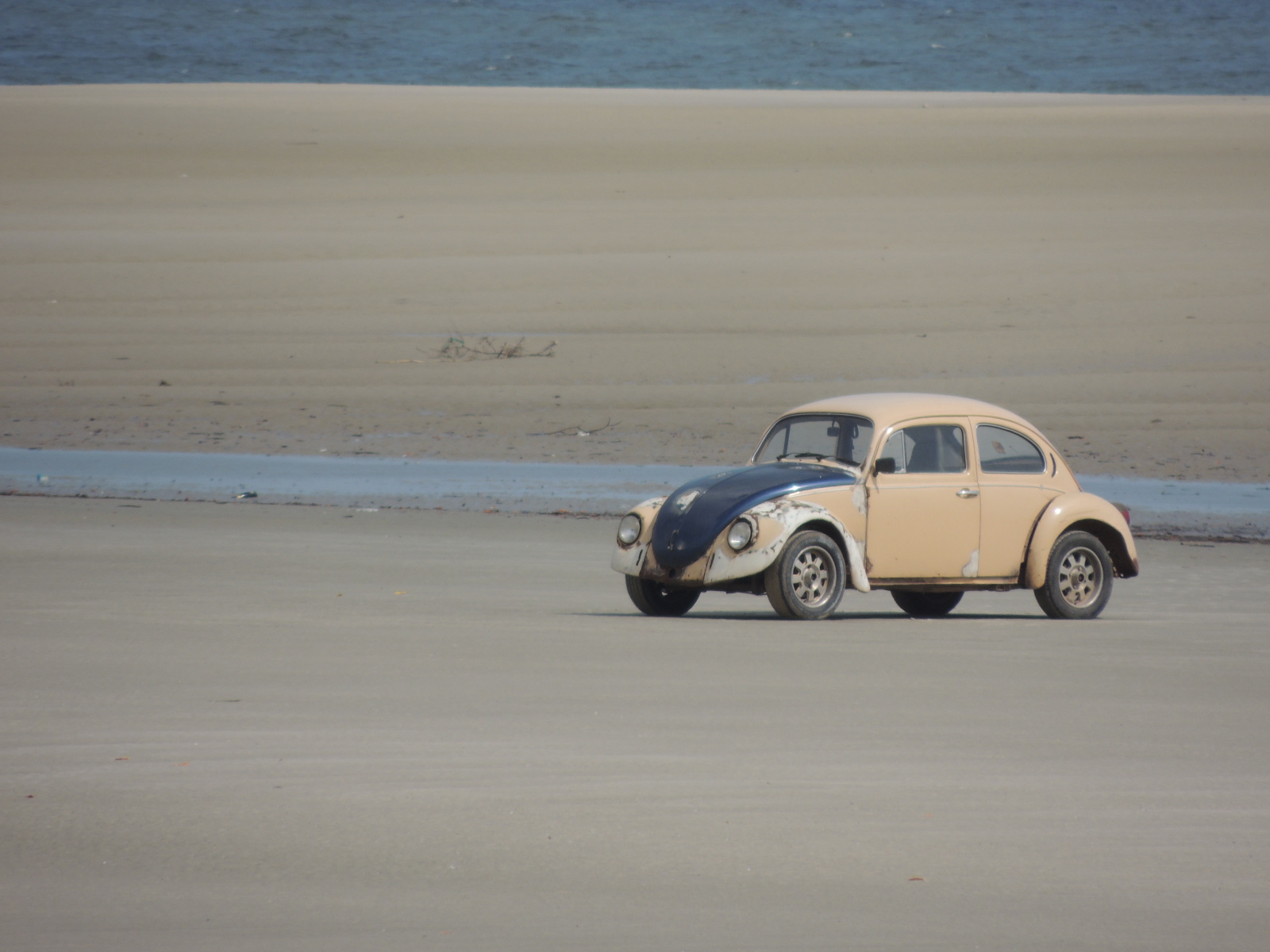
(A tiger beetle, although this VW was also sighted on a Brazilian beach)
The practice of salt marsh diking turns a normally resilient system into a very brittle system at the edge of collapse.
Despite the huge numbers of shorebirds using the area, Maranhão, Brazil has received only limited conservation and research attention outside of Brazil.
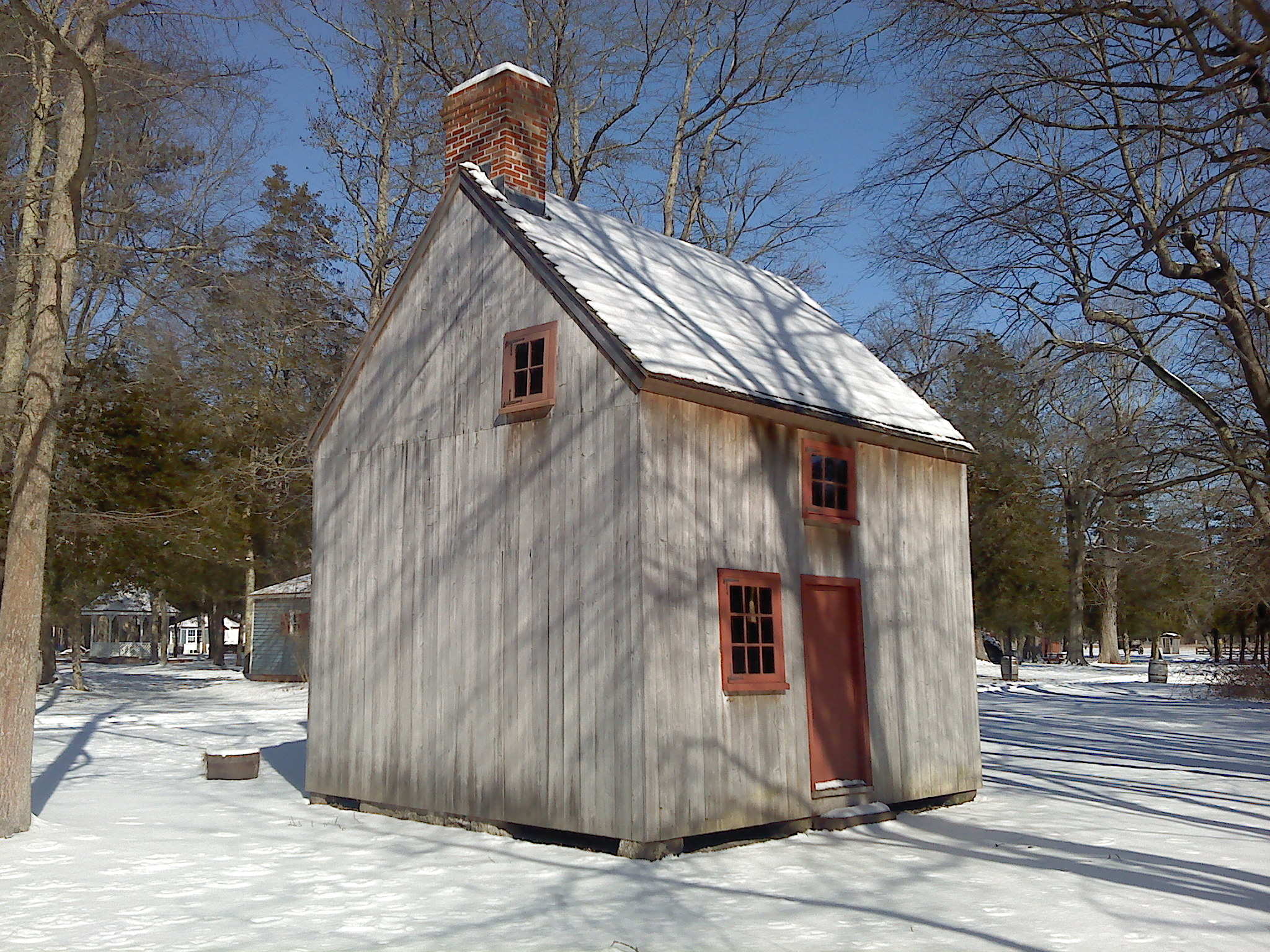
This old house is one of the oldest in the county. In this post I put its original location on the map.
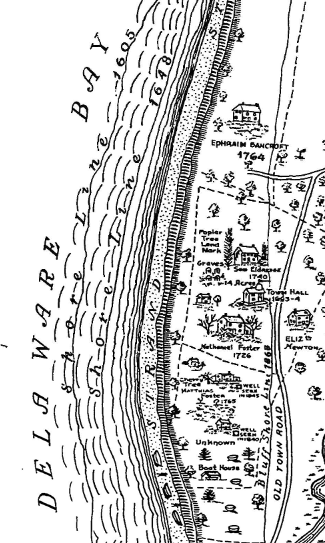
I explore a 1726 map of Town Bank, Cape May County by using GIS to overlay it on modern maps.
A remarkable study that was carried out here in New Jersey has helped clear up the question of why there is a higher proportion of juveniles in Cape May.
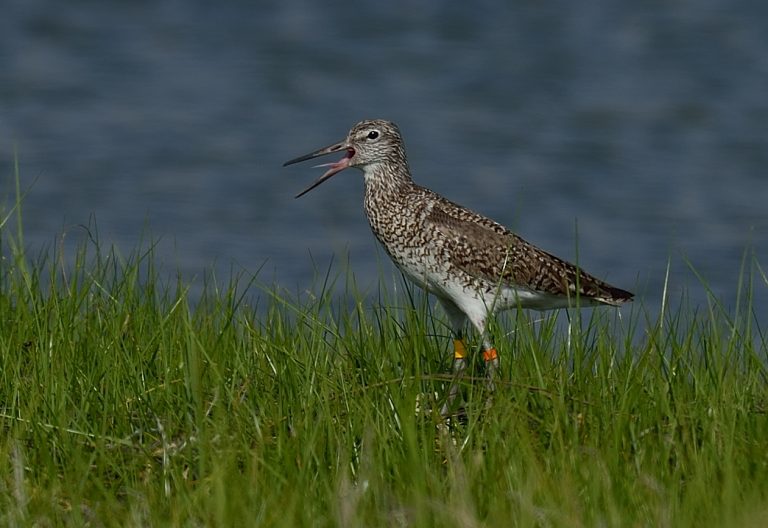
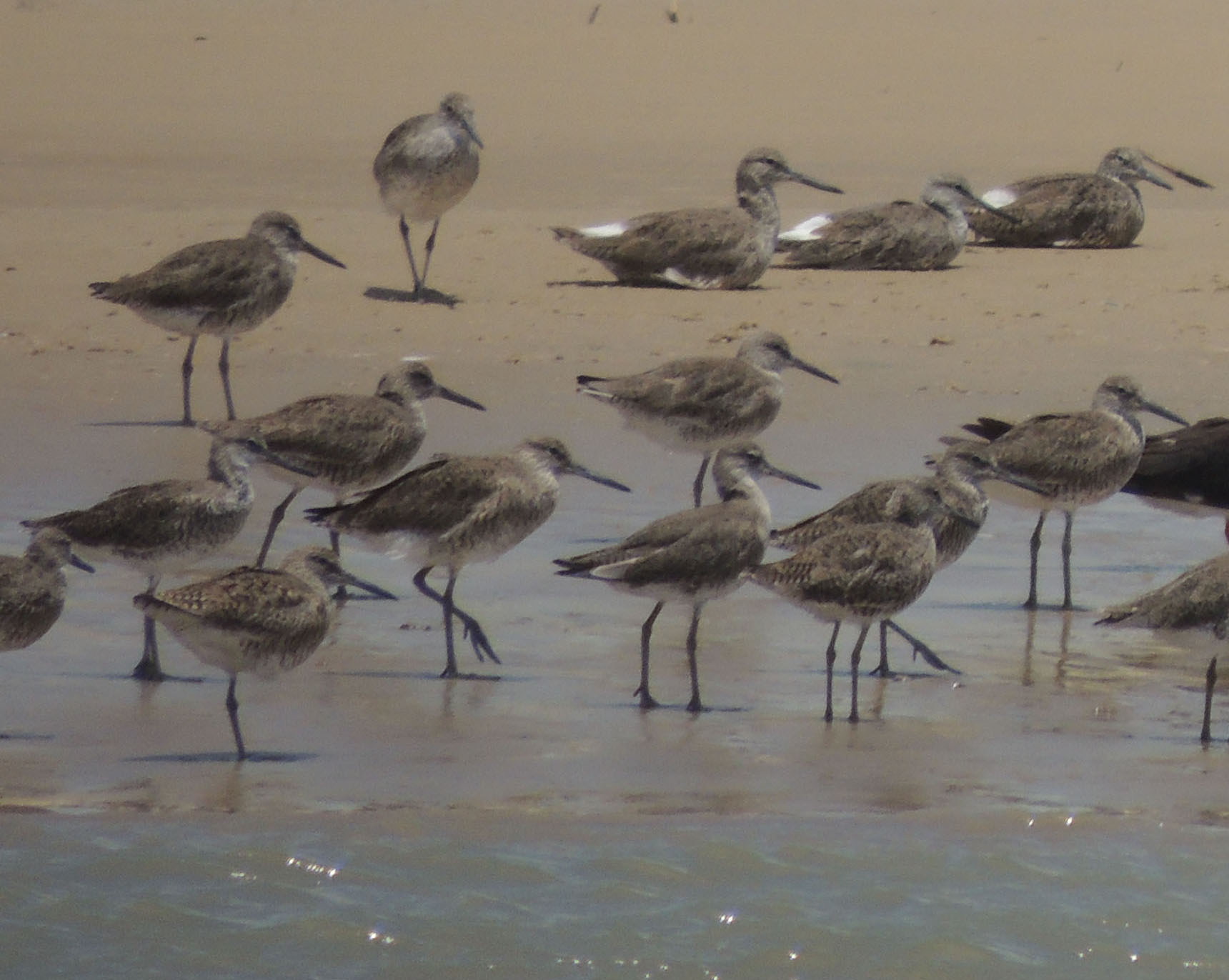
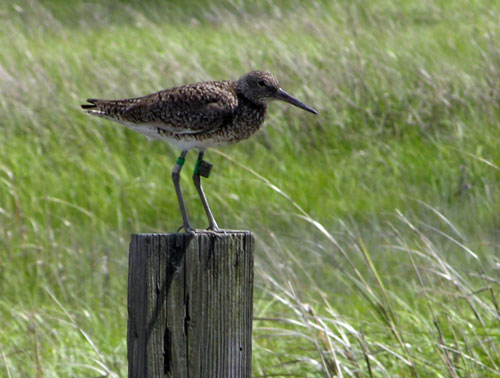
An account of the return of the willet to New Jersey via ornithological literature. It turns out that the willet was never really gone.
Much news is made about the changes to come to coastal landscapes from sea level rise, but there is less talk about what is already happening.
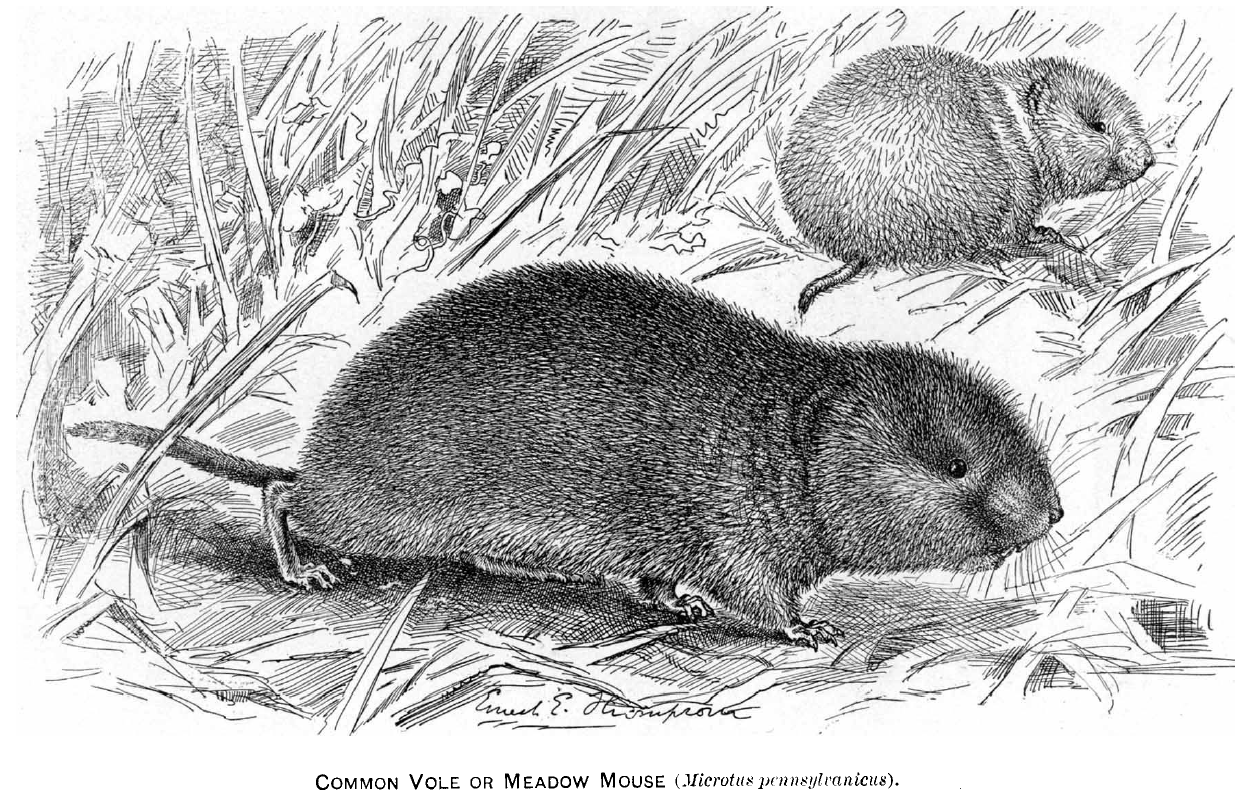
Small mammals of the salt marsh. Fleeting glimpses of mysterious mice, rats, and voles.
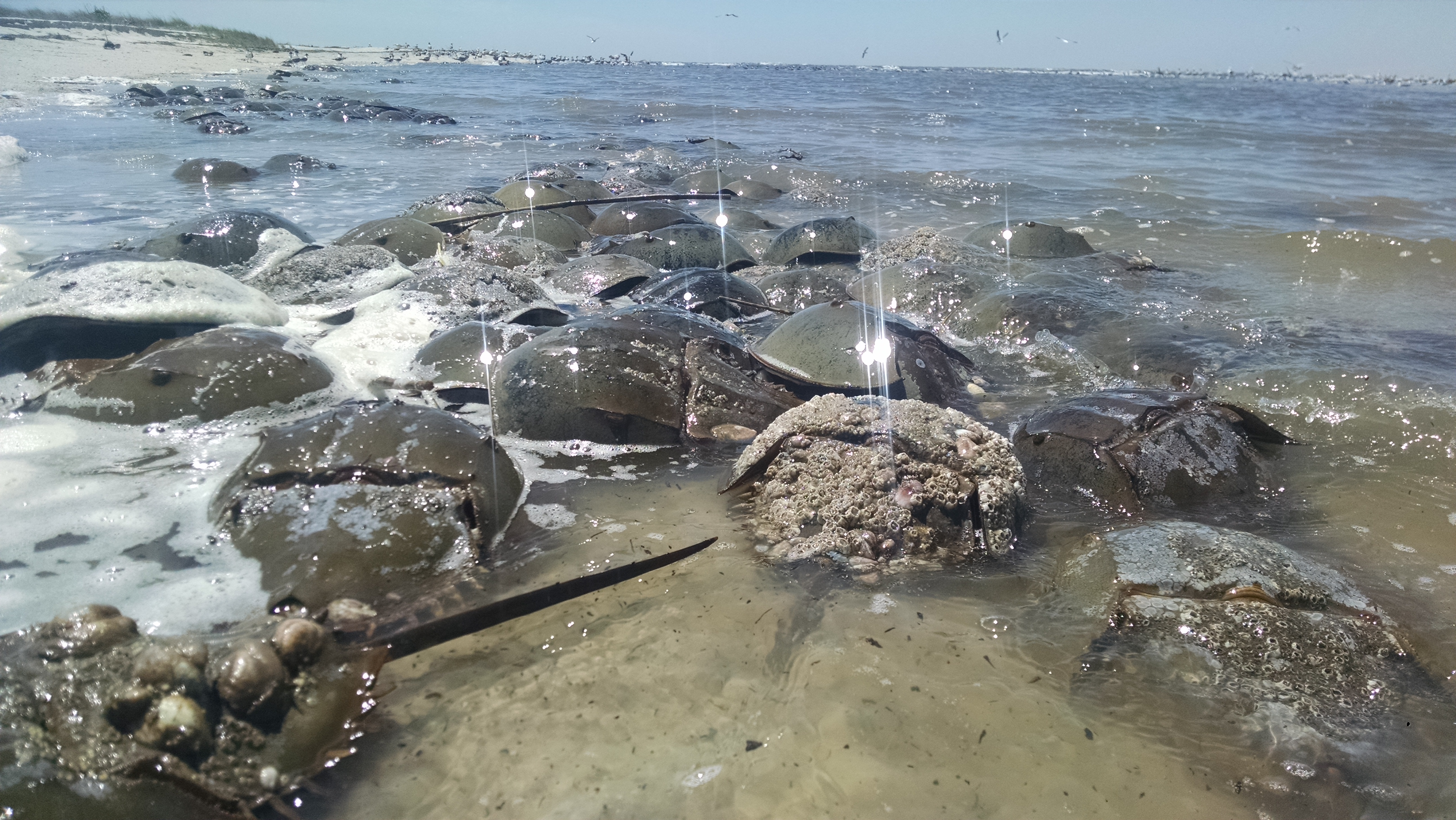
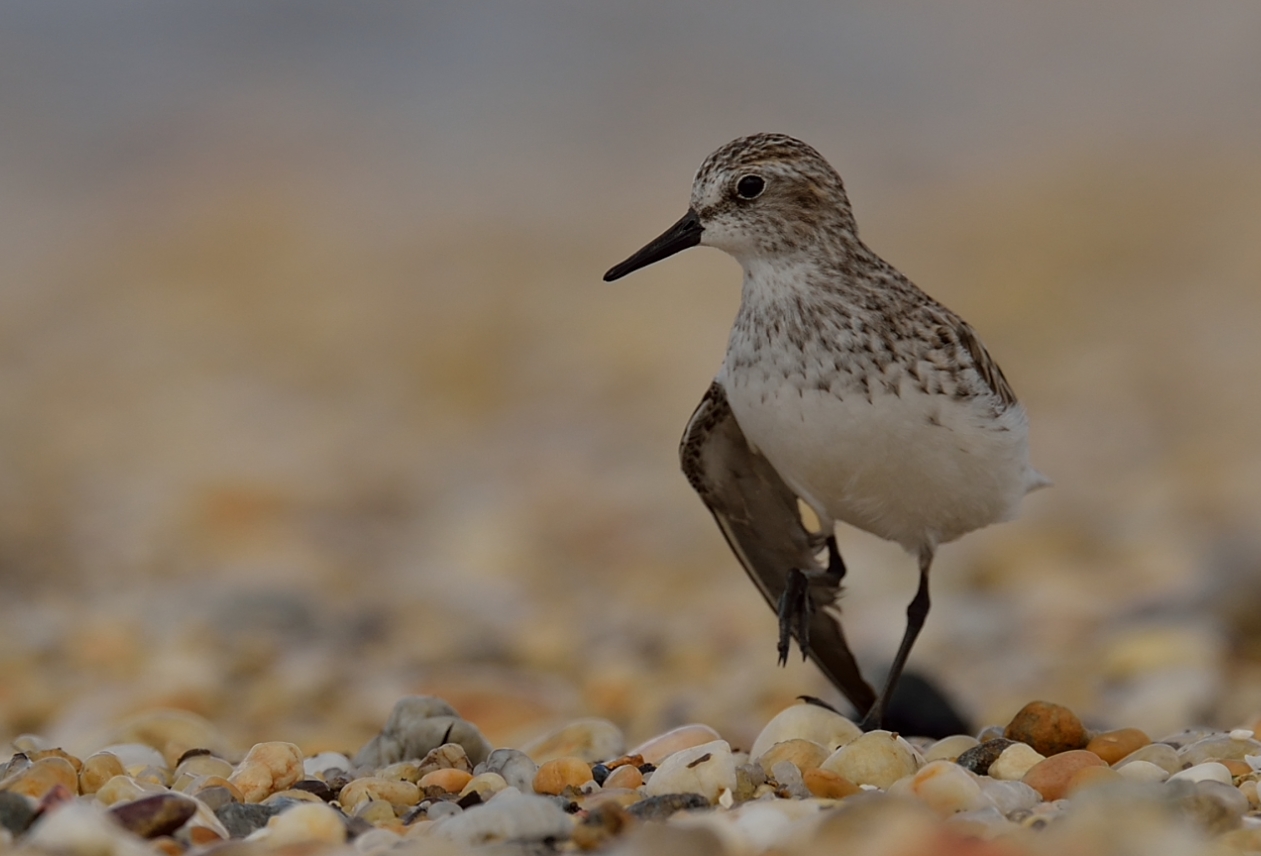
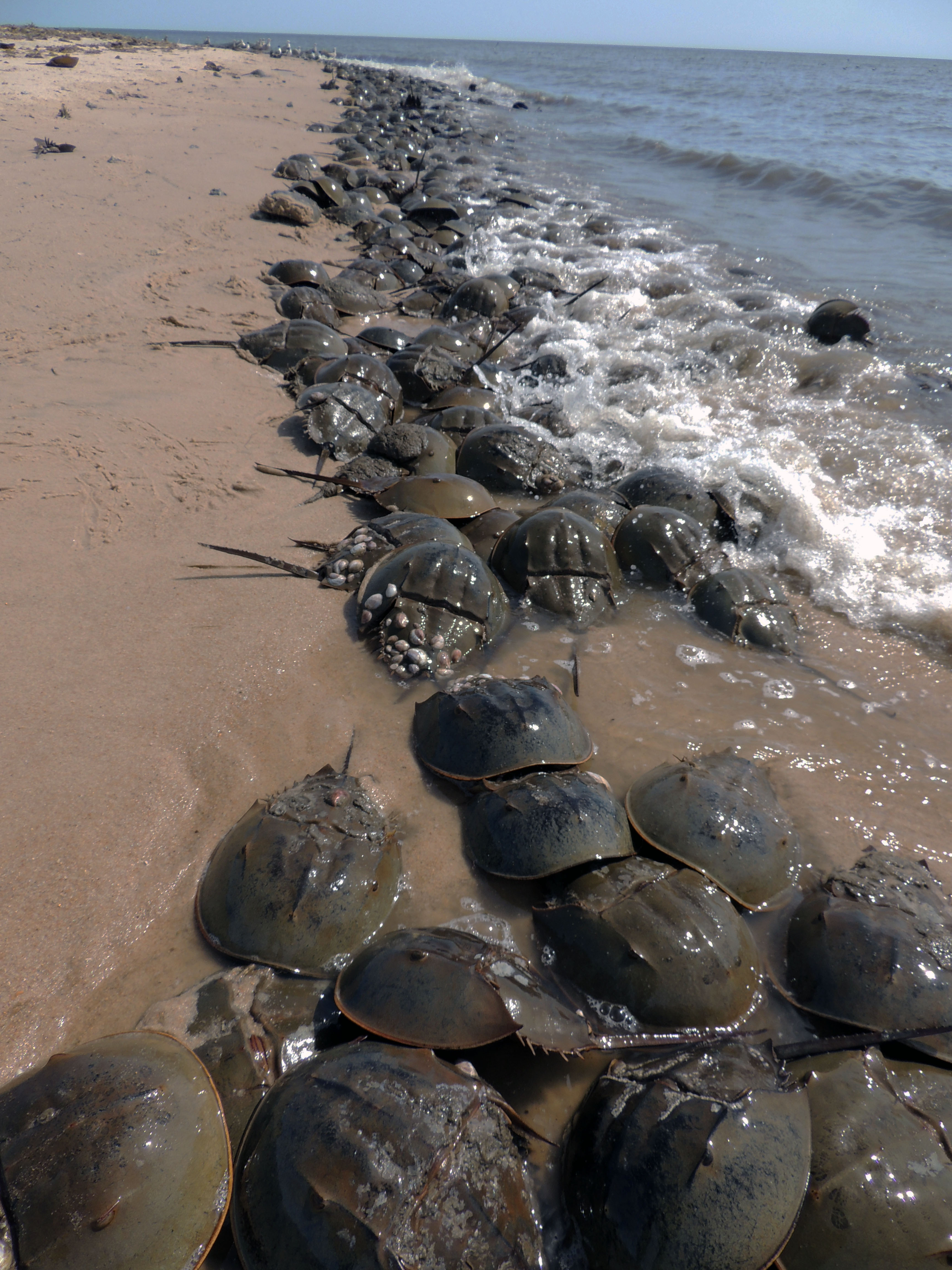
Shorebirds and Horseshoe Crabs on the Delaware Bay.
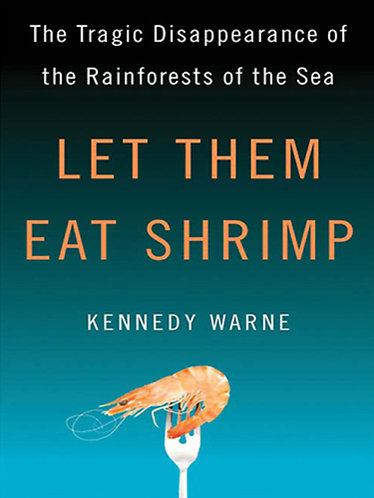
When shrimp farms are constructed, the myriad services mangroves provide are reduced to one: making shrimp. The farms displace people living subsistence lifestyles and displace the many birds, fish, crabs, and shellfish that those people depend upon for their living.
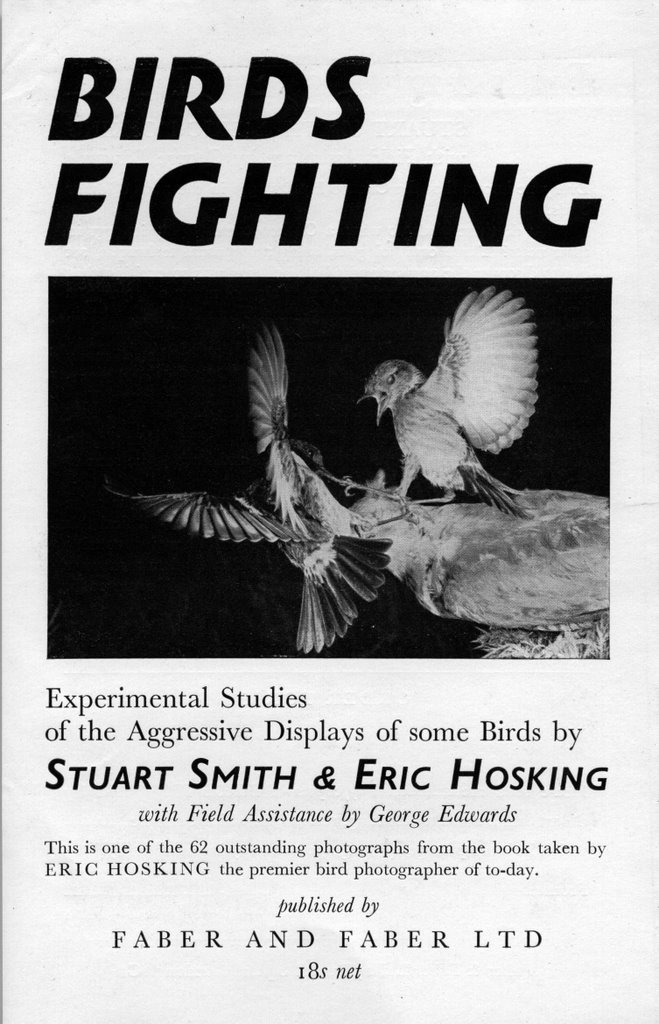
Birds fighting! A book from 1955 that used state-of-the-art photography techniques to catch angry birds in action.
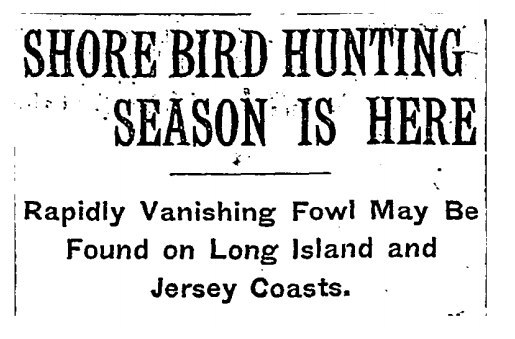
There is a long tradition of shorebird hunting in North America that ended at the beginning of the 20th century when laws were passed that banned killing and selling migratory birds. But elsewhere, hunting is still happening.
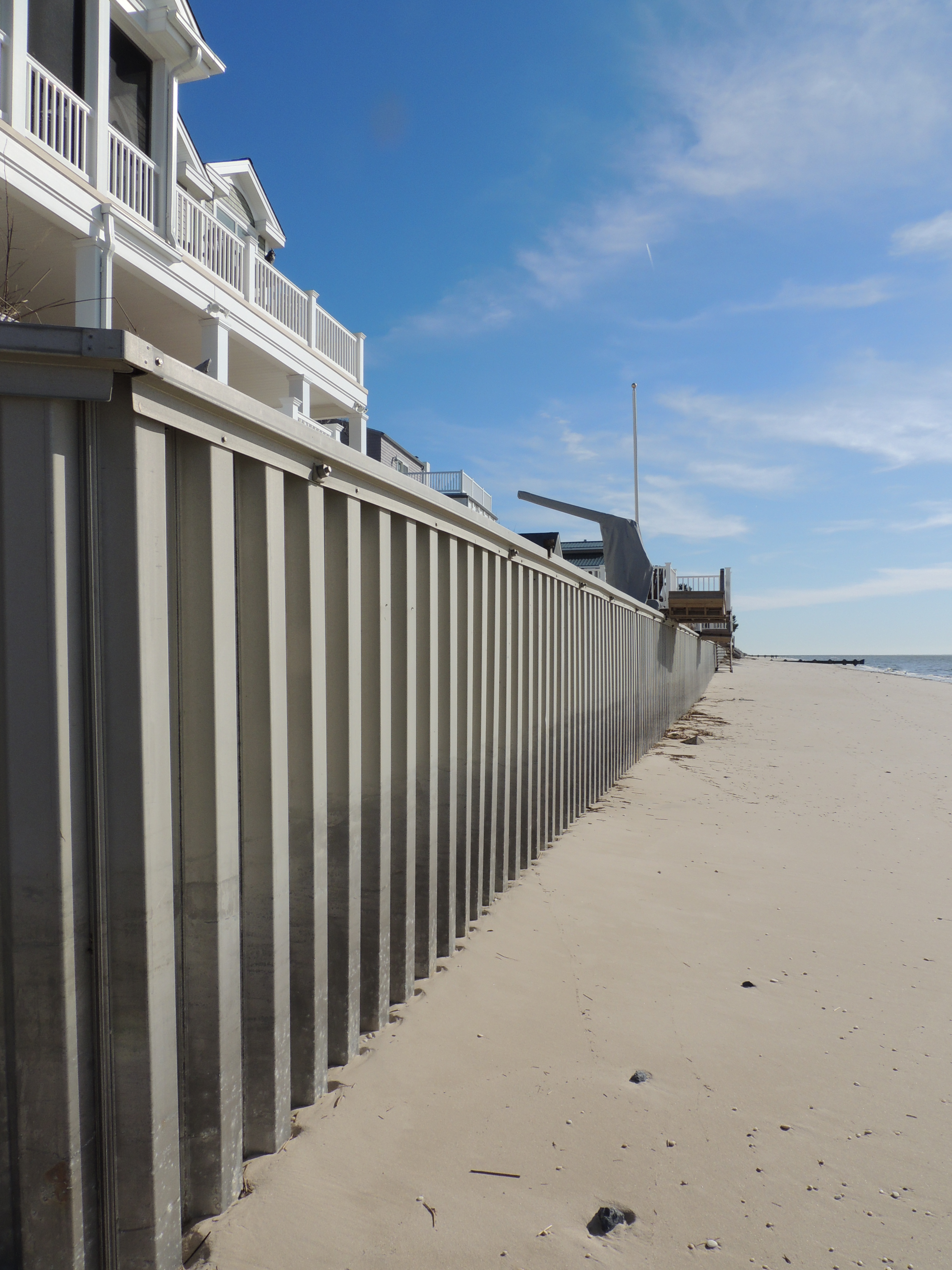
Shoreline armoring on the Delaware Bay will result in less beach for us all.
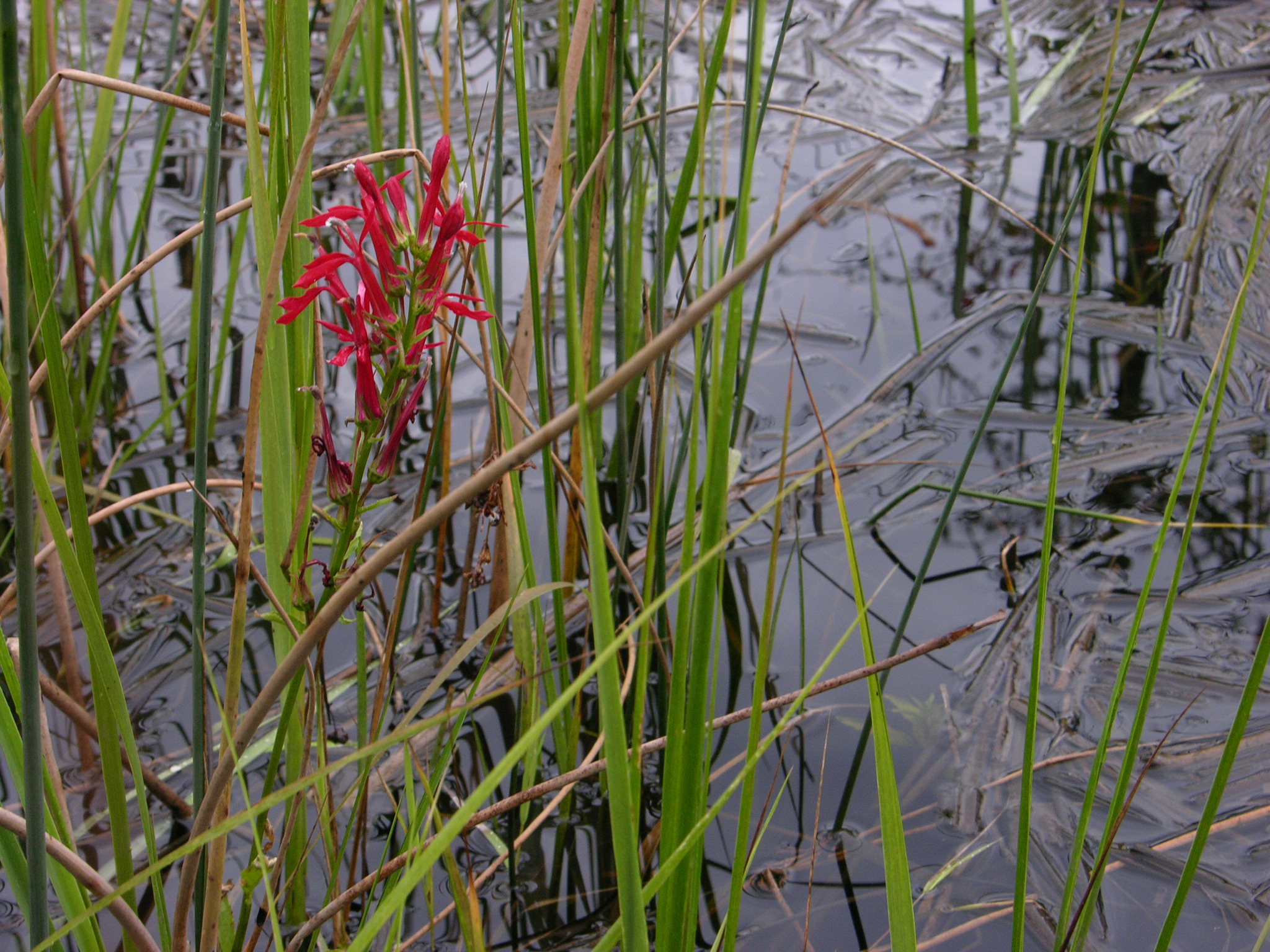
As scary maps tell us about the changes to come, subtle indicators like odd combinations of plants tell us about the changes that are happening right now.
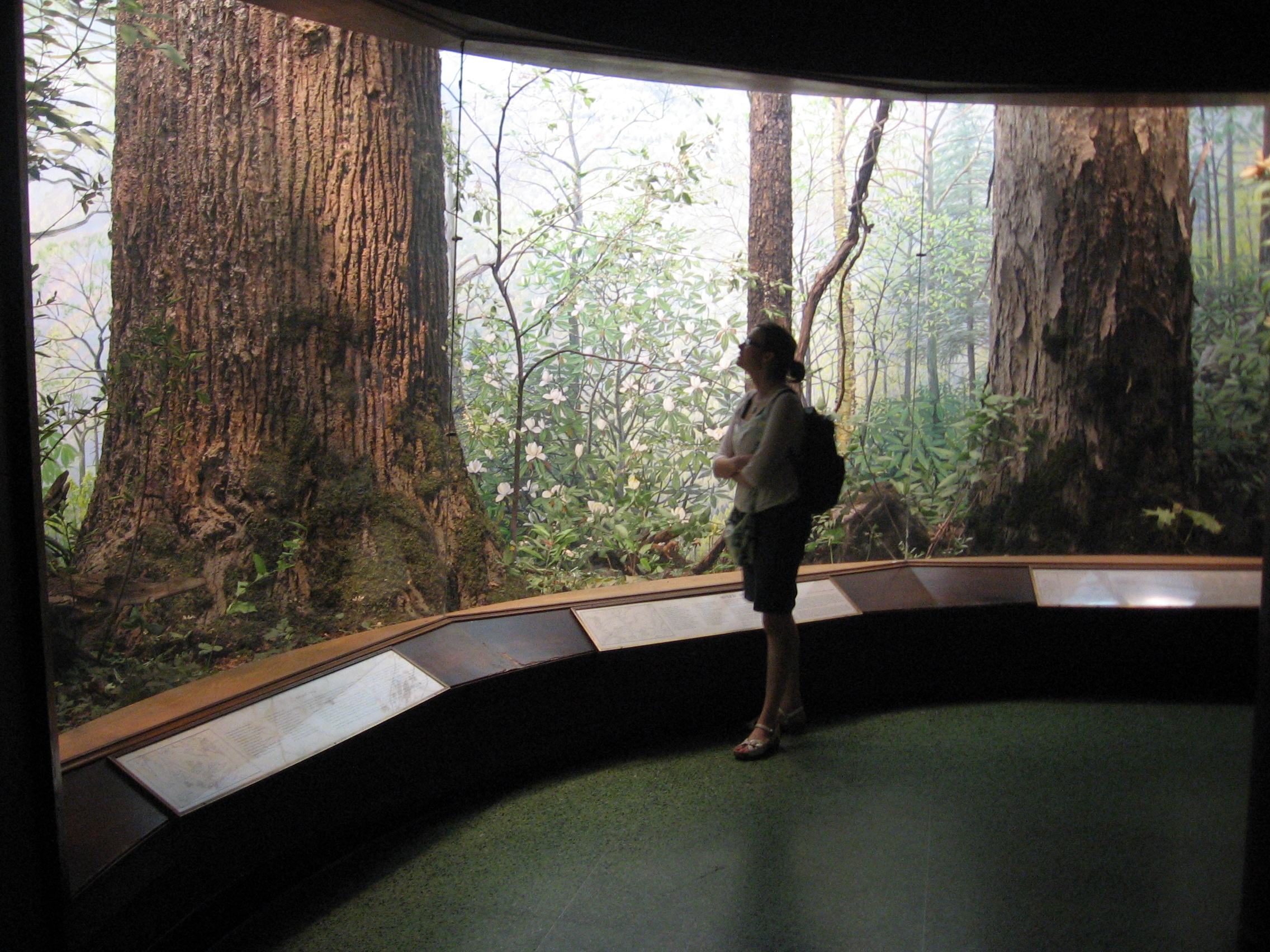
A vintage museum exhibit at the American Museum of Natural History also portrays vintage views on conservation and environmental issues.
Farming of coastal wetlands - the story of salt marsh lamb in Europe and salt marsh milk in America.
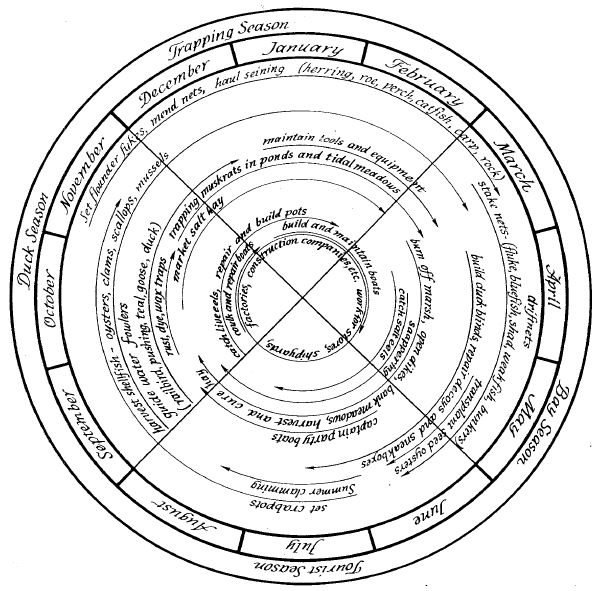
What old maps tell us about the economic and cultural importance of coastal wetlands.
The real bird-catching tradition of something often considered a wild goose chase.
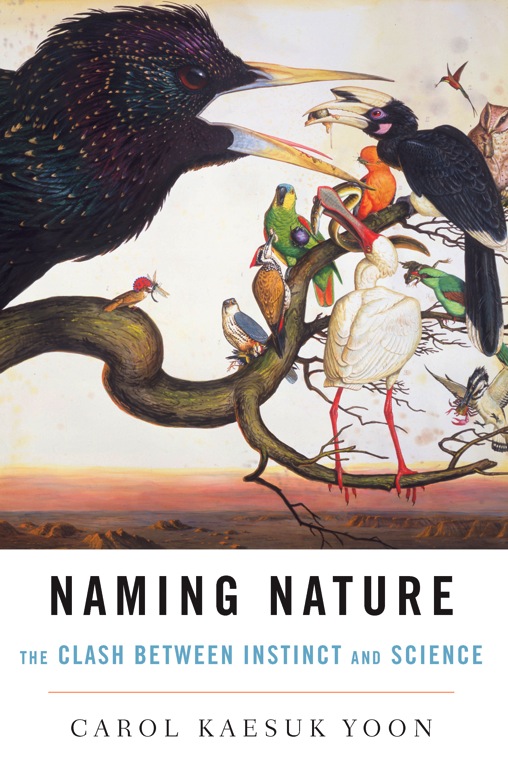
This book explores a profound concept: that there is a difference between reality and the human perception of reality and that this difference can explain some vexing things about human nature.
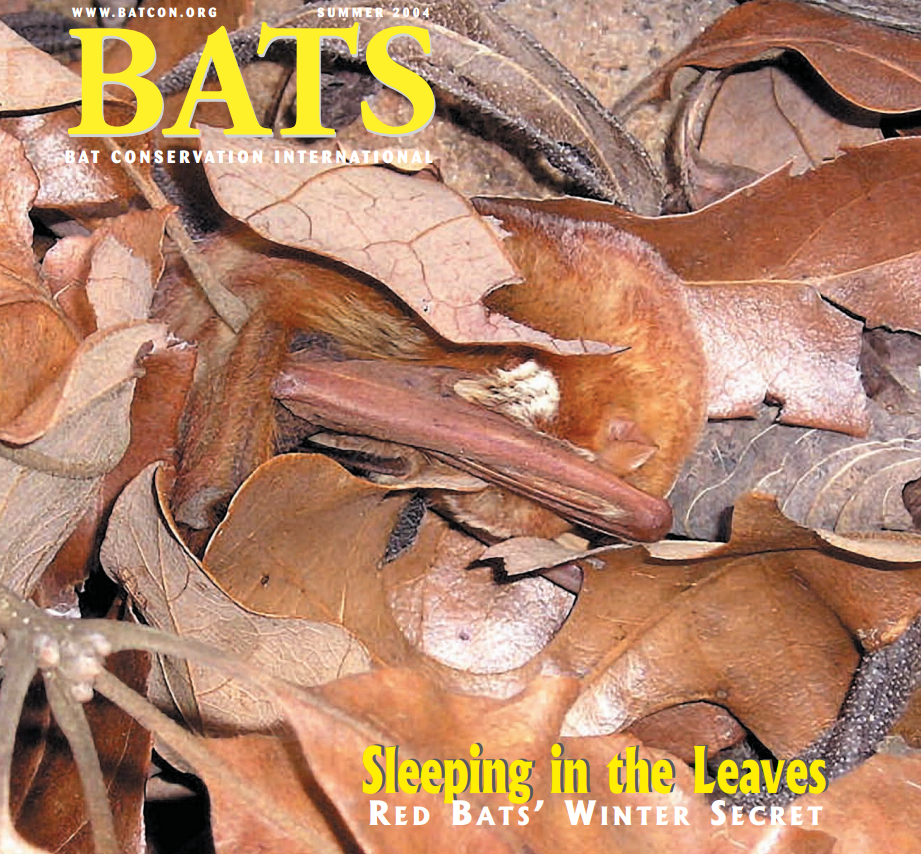
The ecology of red bats in winter - be careful raking those leaves!
Noteworthy Trees of Cape May County is a compendium of local tree lore, circa 1947.
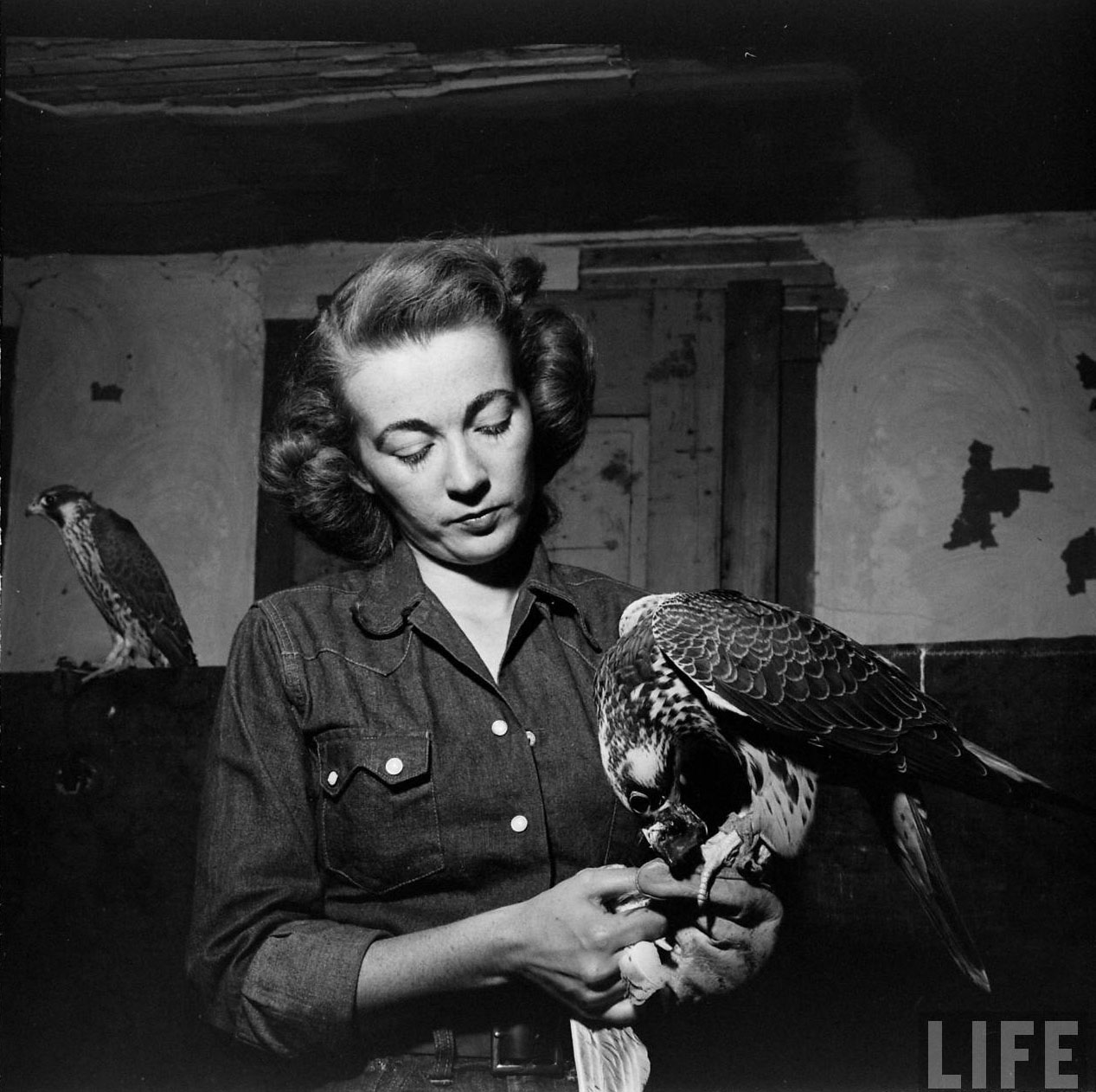
I recently came across a 1952 LIFE magazine article profiling a group of falcon banders working on Assateague Island, Maryland. Along with the article is a series of striking photos of the banders and their lifestyle on the coast.