Coastal wildlife needs disturbance to thrive
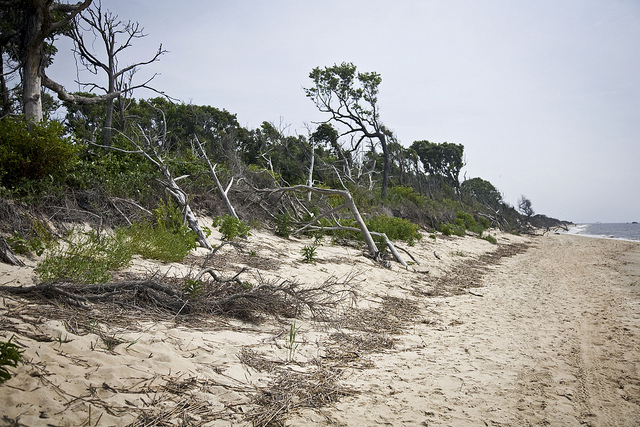
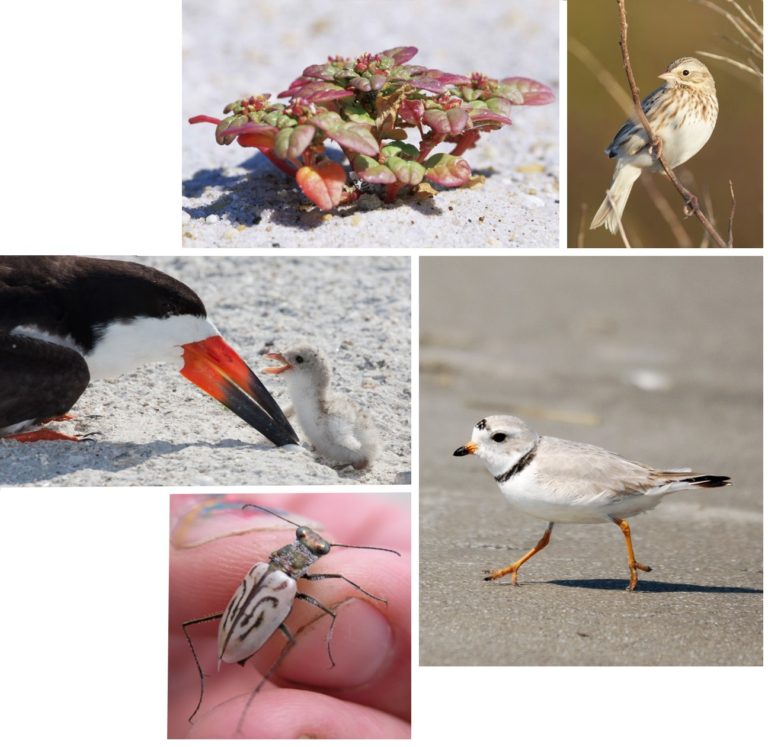
In order to thrive, beach-dependent species need storms, tides and winds to re-work their habitats.
We New Jerseyans have it rough. Although we have some of the most spectacular and extensive natural landscapes in the Northeast, these natural wonders seem to be overshadowed by our unshakable (negative) reputation.
Thinking about a nature preserve in my neighborhood has helped me come to a clearer understanding of how the ecosystem services rationale relates to the value people had for nature during previous generations.
Bennett Bogs is a legendary Cape May botany spot. It holds a unique and diverse array of plants many of which normally occur further to the South.
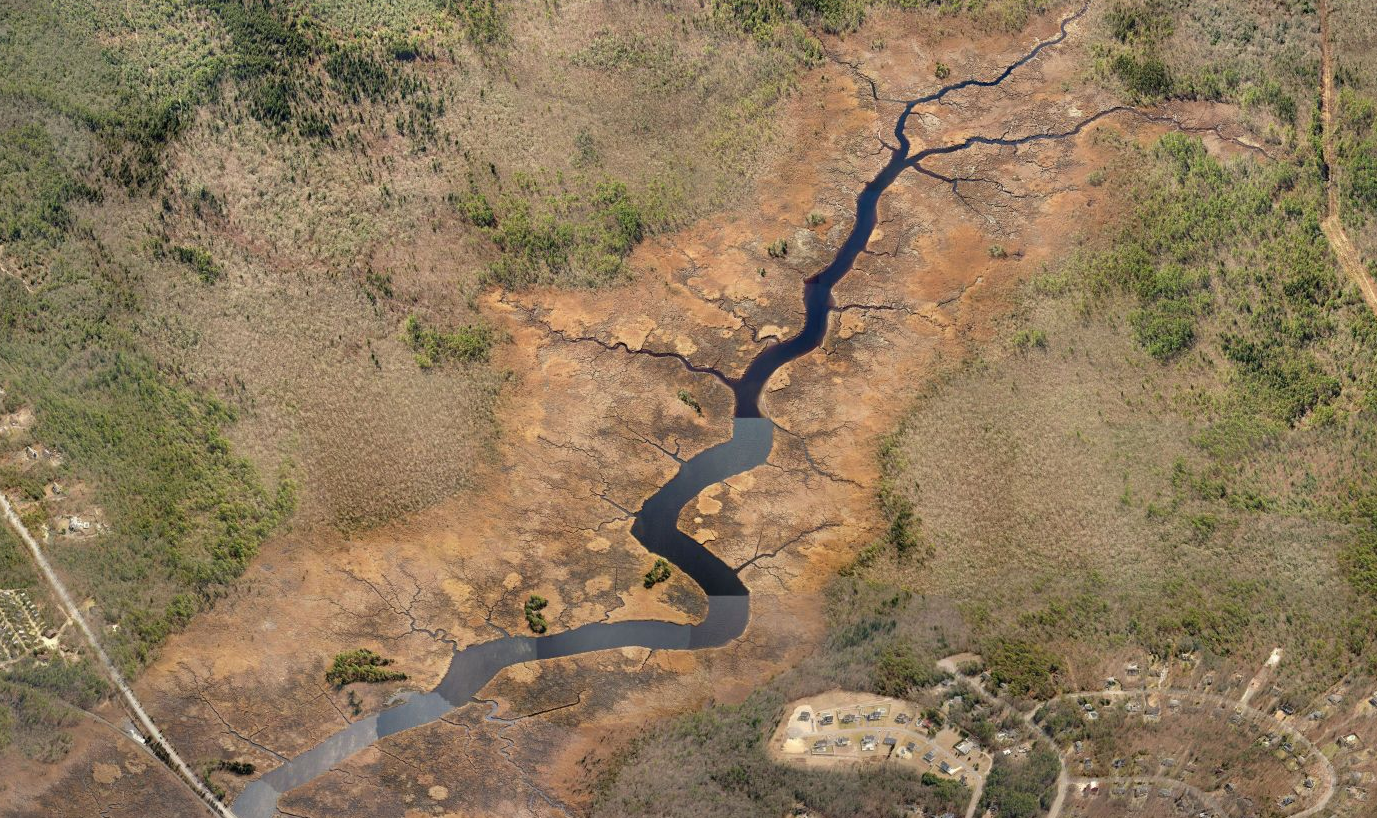
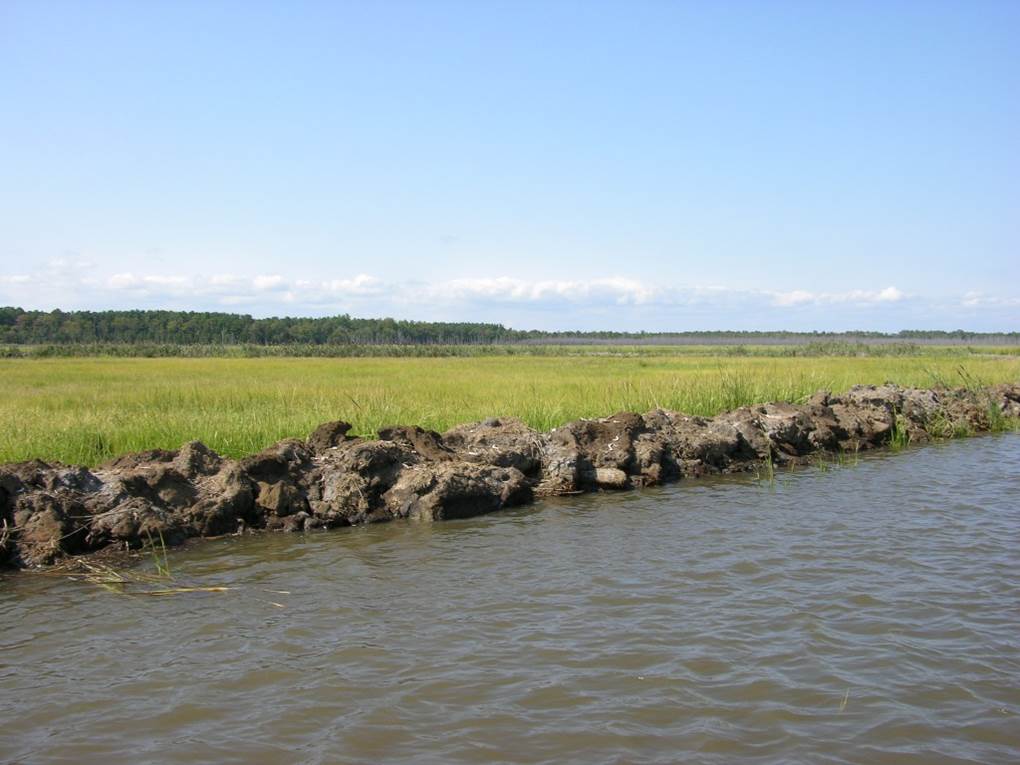
The practice of salt marsh diking turns a normally resilient system into a very brittle system at the edge of collapse.
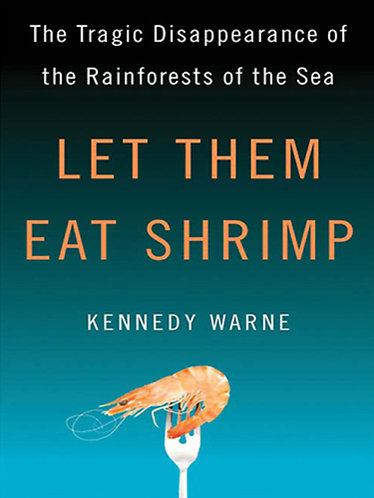
When shrimp farms are constructed, the myriad services mangroves provide are reduced to one: making shrimp. The farms displace people living subsistence lifestyles and displace the many birds, fish, crabs, and shellfish that those people depend upon for their living.
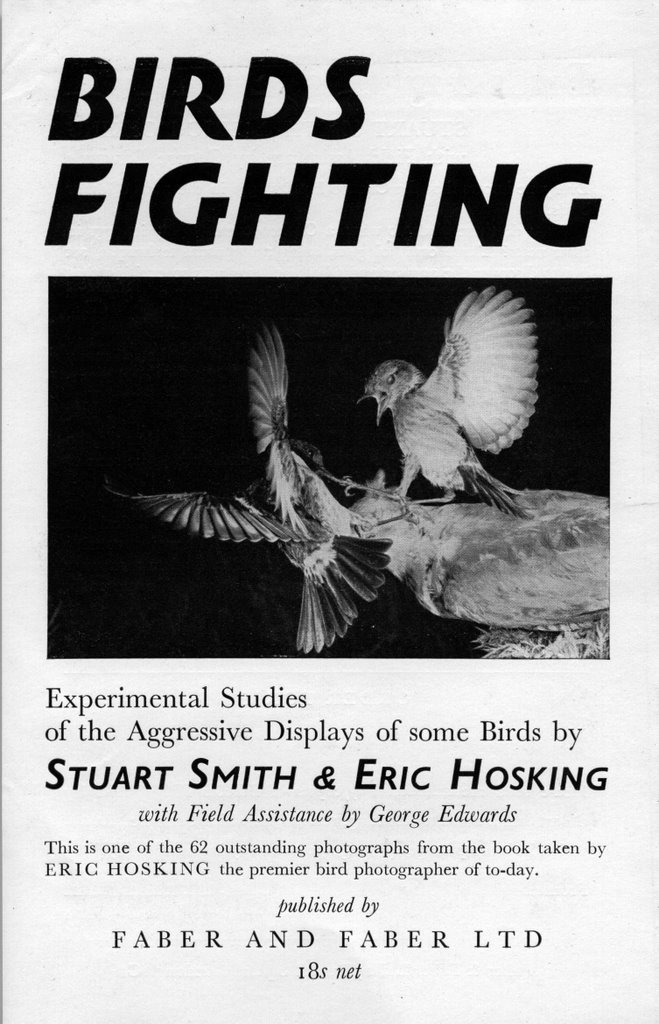
Birds fighting! A book from 1955 that used state-of-the-art photography techniques to catch angry birds in action.
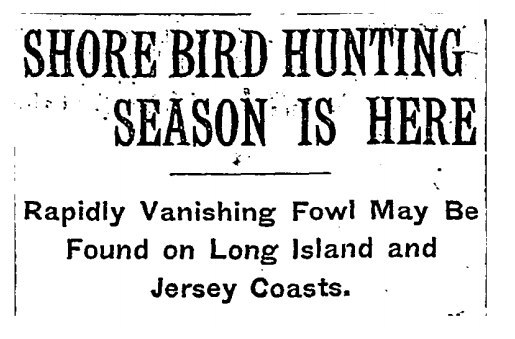
There is a long tradition of shorebird hunting in North America that ended at the beginning of the 20th century when laws were passed that banned killing and selling migratory birds. But elsewhere, hunting is still happening.
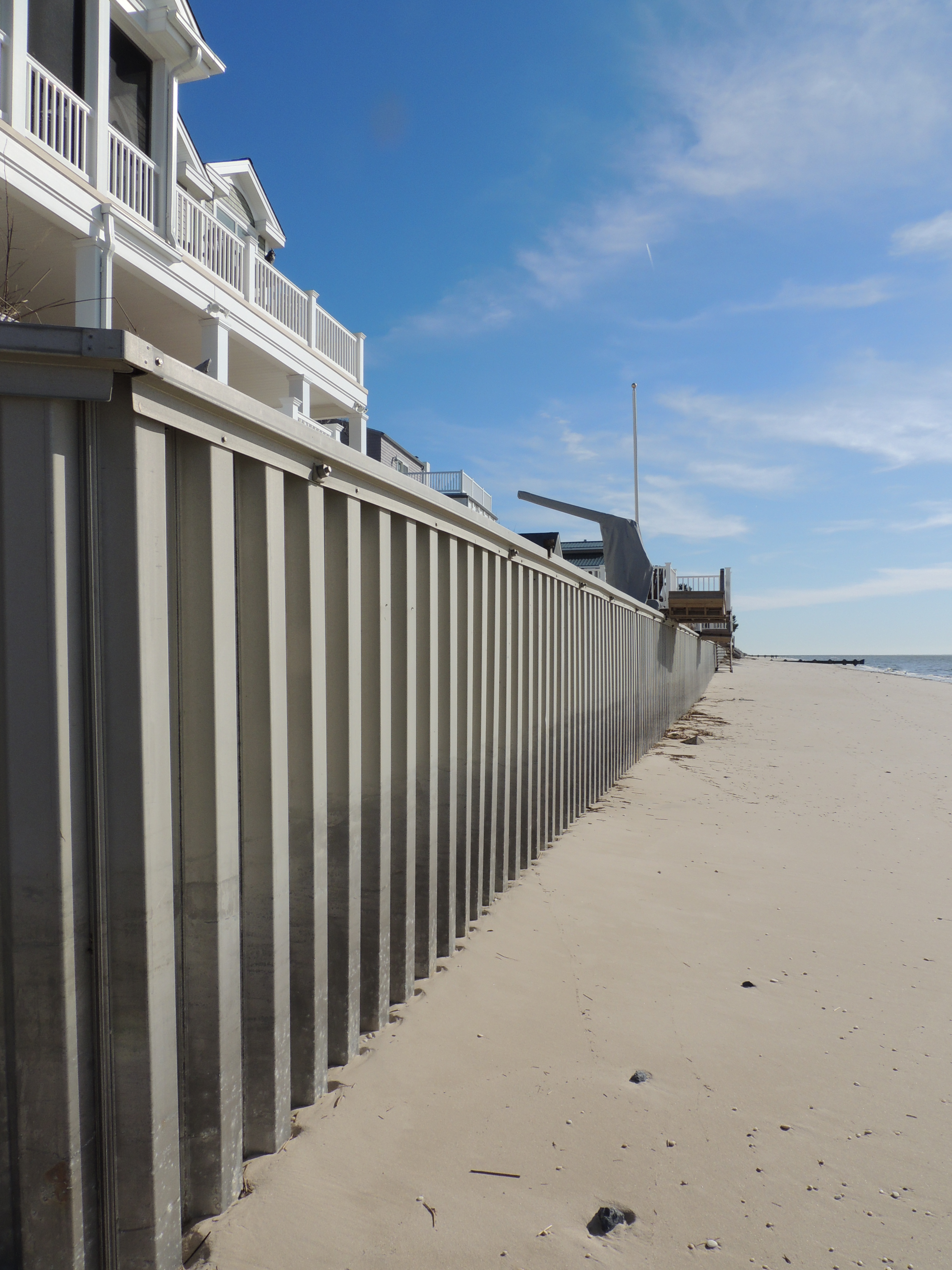
Shoreline armoring on the Delaware Bay will result in less beach for us all.
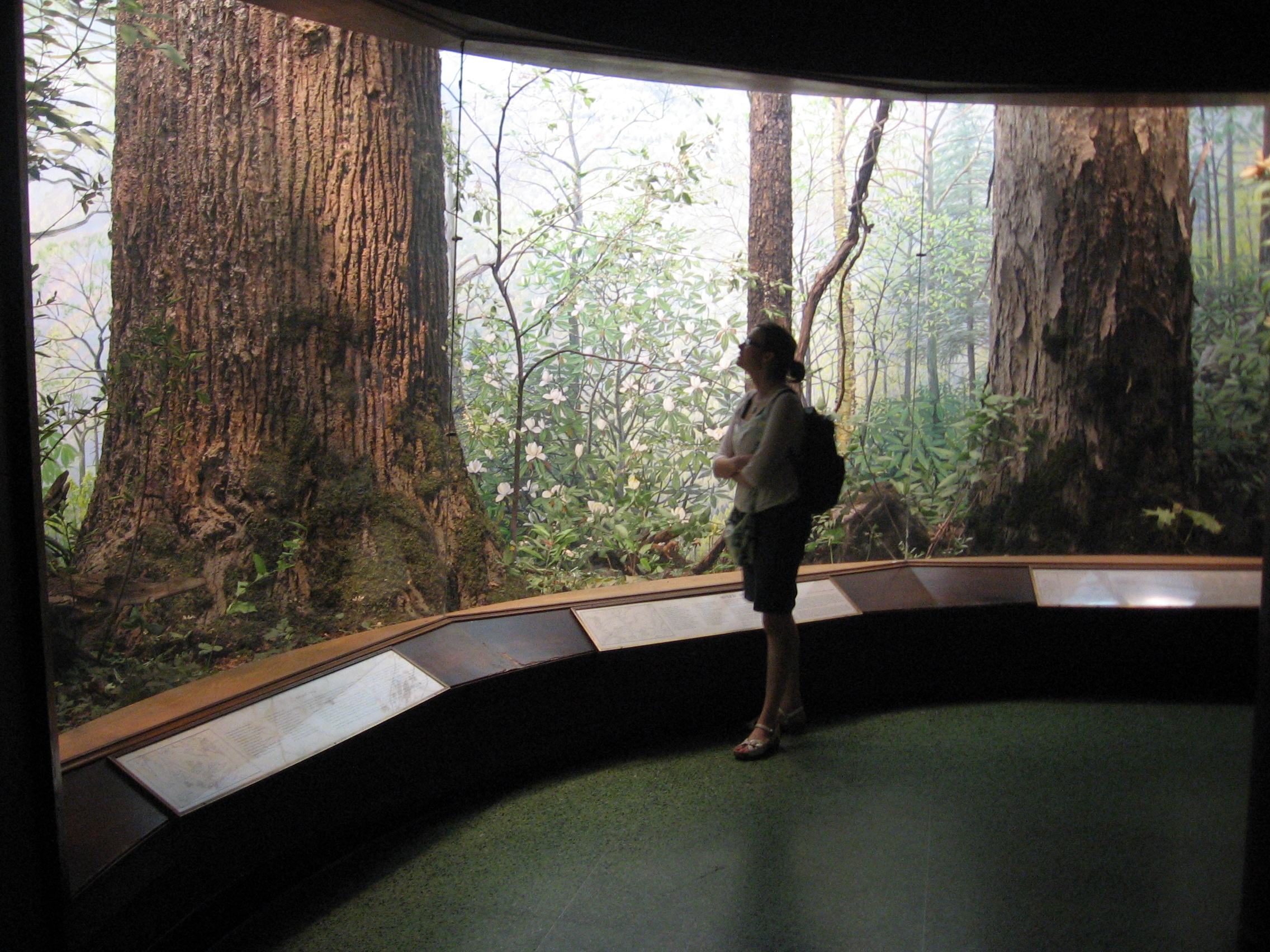
A vintage museum exhibit at the American Museum of Natural History also portrays vintage views on conservation and environmental issues.
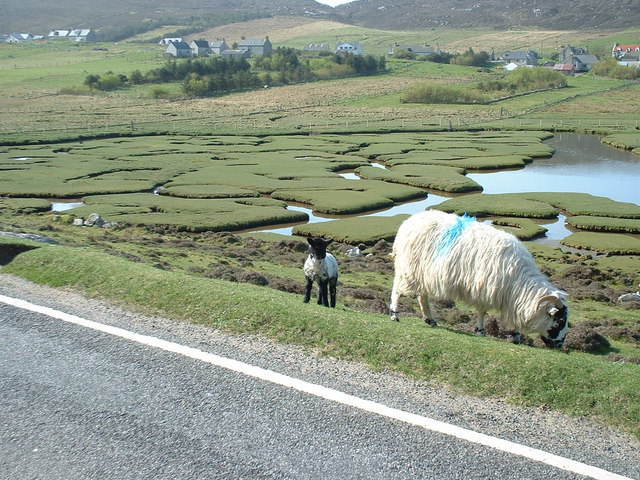
Farming of coastal wetlands - the story of salt marsh lamb in Europe and salt marsh milk in America.
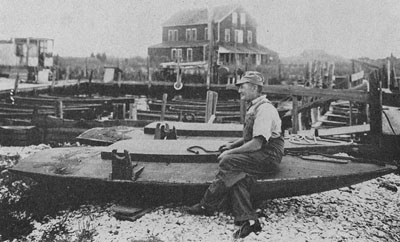
What old maps tell us about the economic and cultural importance of coastal wetlands.
The real bird-catching tradition of something often considered a wild goose chase.
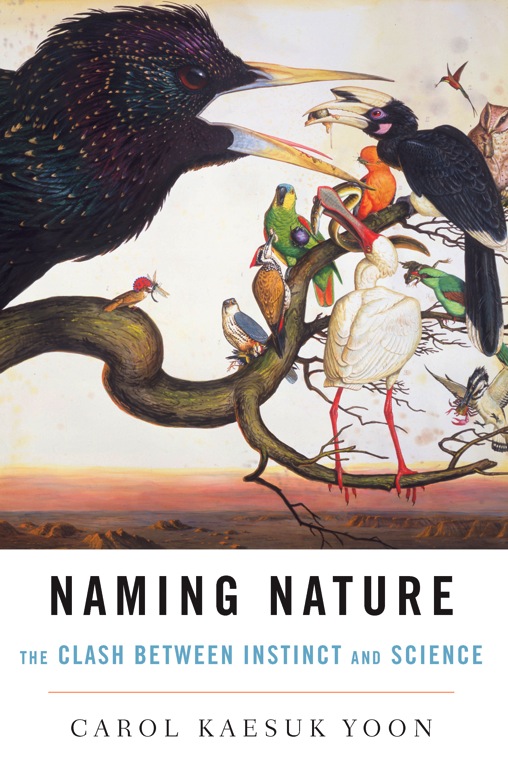
This book explores a profound concept: that there is a difference between reality and the human perception of reality and that this difference can explain some vexing things about human nature.
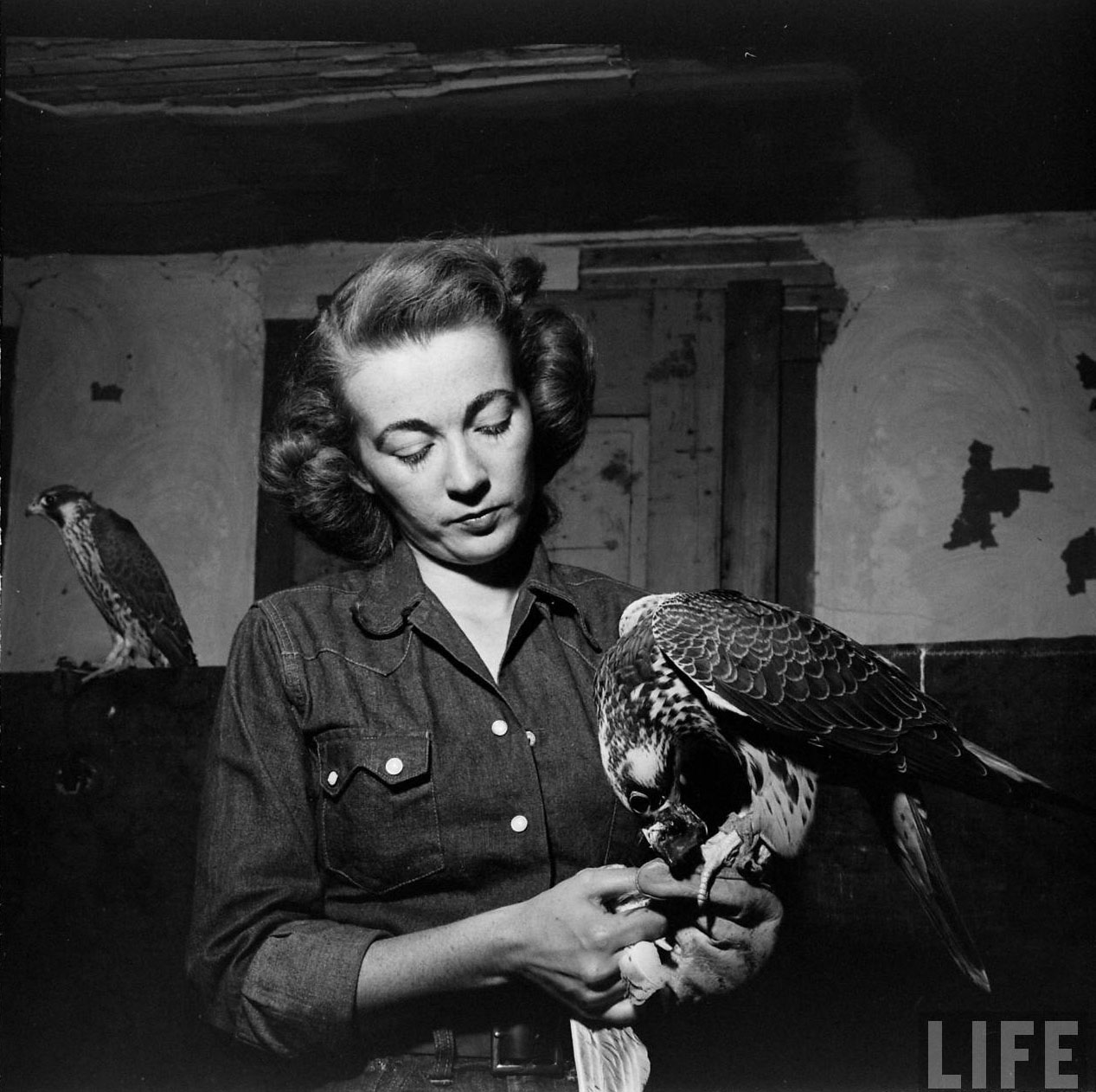
I recently came across a 1952 LIFE magazine article profiling a group of falcon banders working on Assateague Island, Maryland. Along with the article is a series of striking photos of the banders and their lifestyle on the coast.