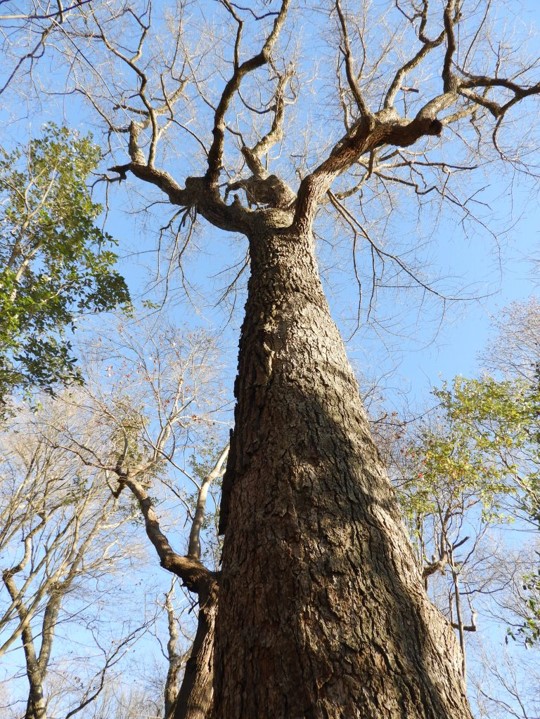
The Tide and Bear Swamp
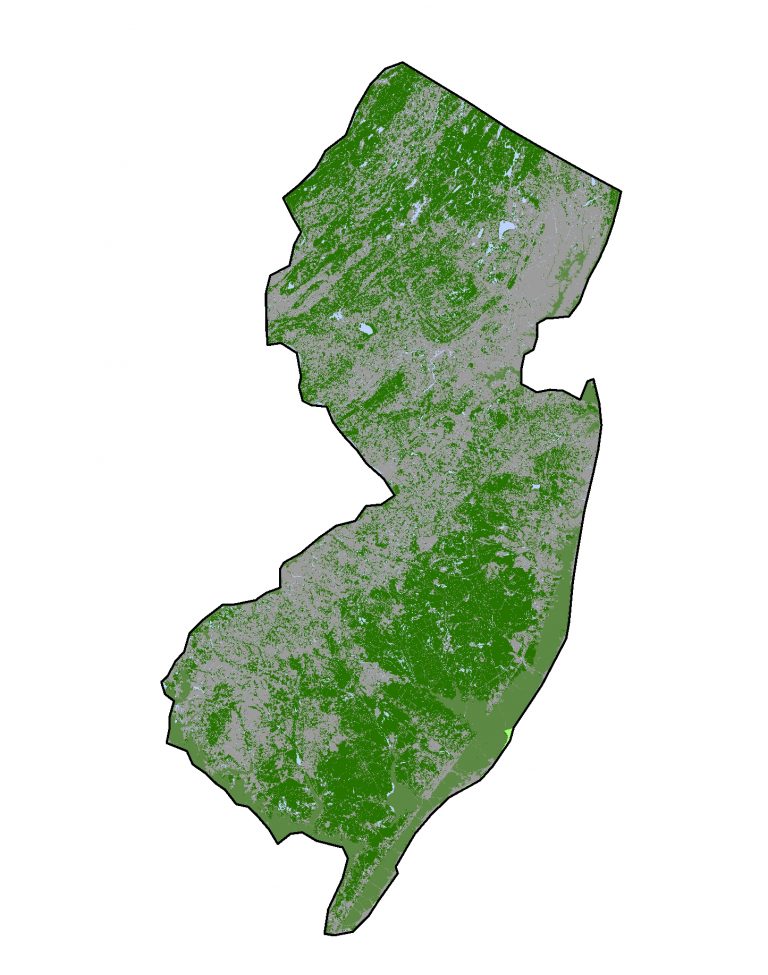
New Jersey's old growth forest is threatened by sea level rise and sand mining
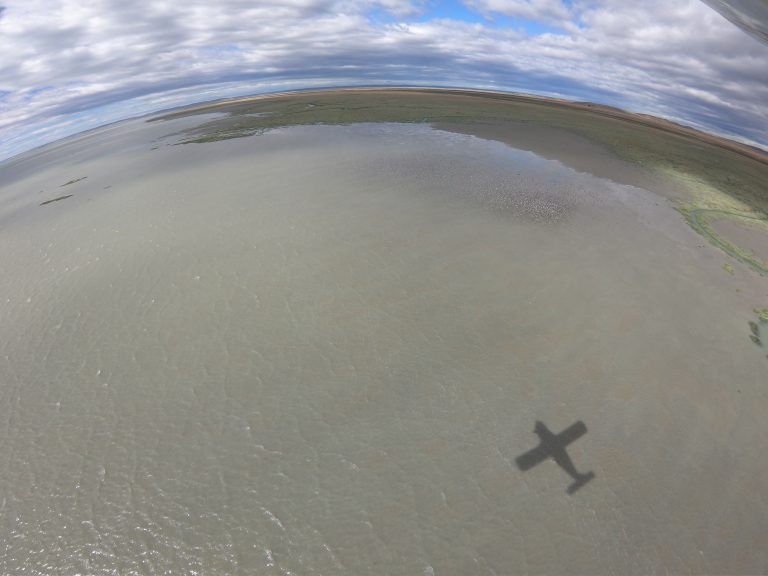
During our recent research trip to Tierra del Fuego, I had the chance to join Guy Morrison for aerial shorebird counts along the shores of Bahia Lomas.
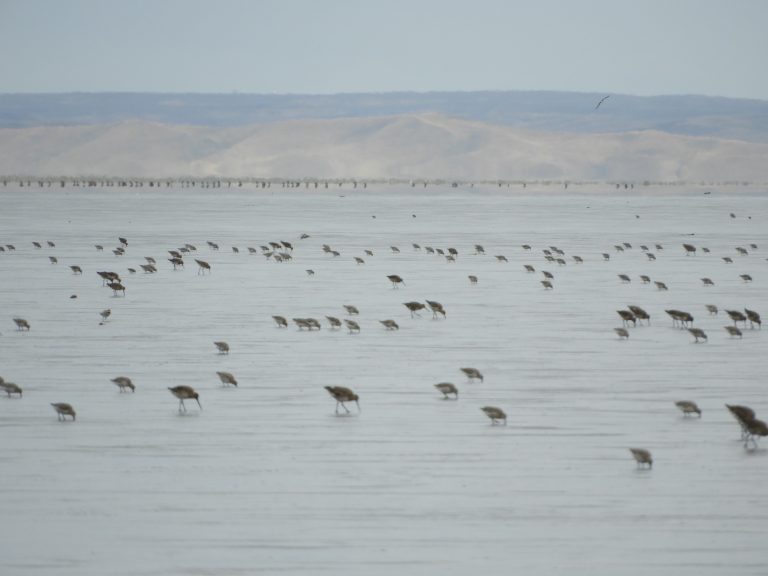
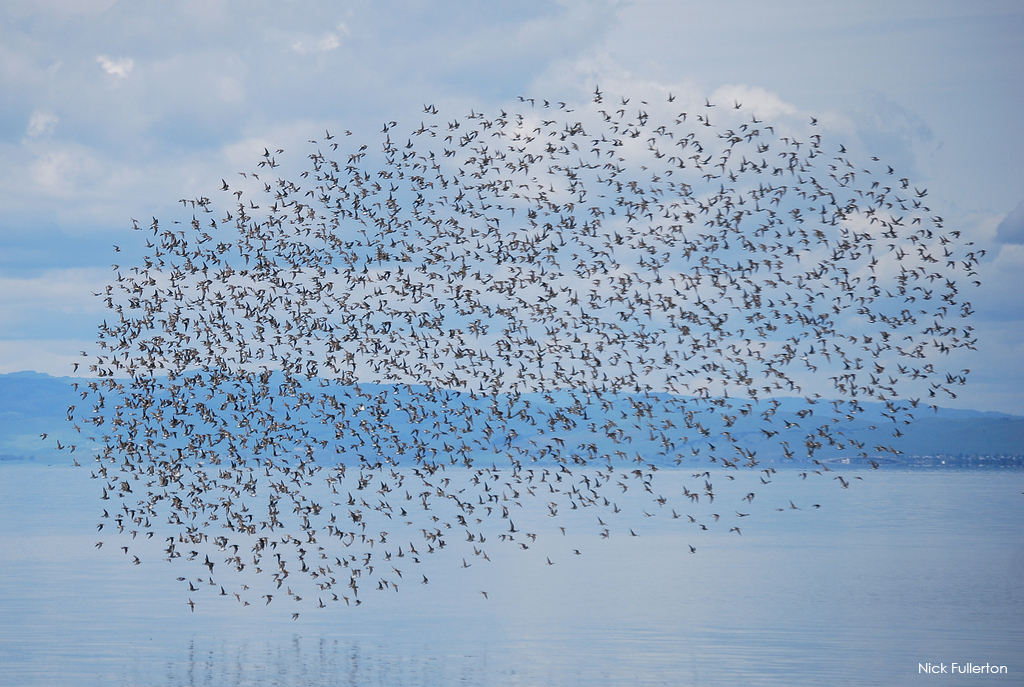
Mile-for-mile it is still the biggest red knot population in the world. 10,000 knots roving a 30 mile coastline for 6 months of the year.
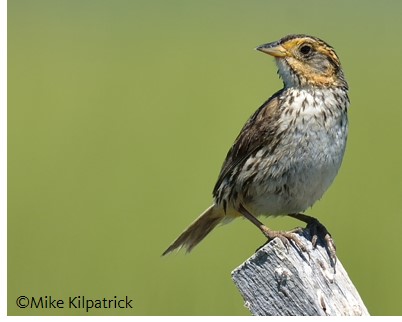
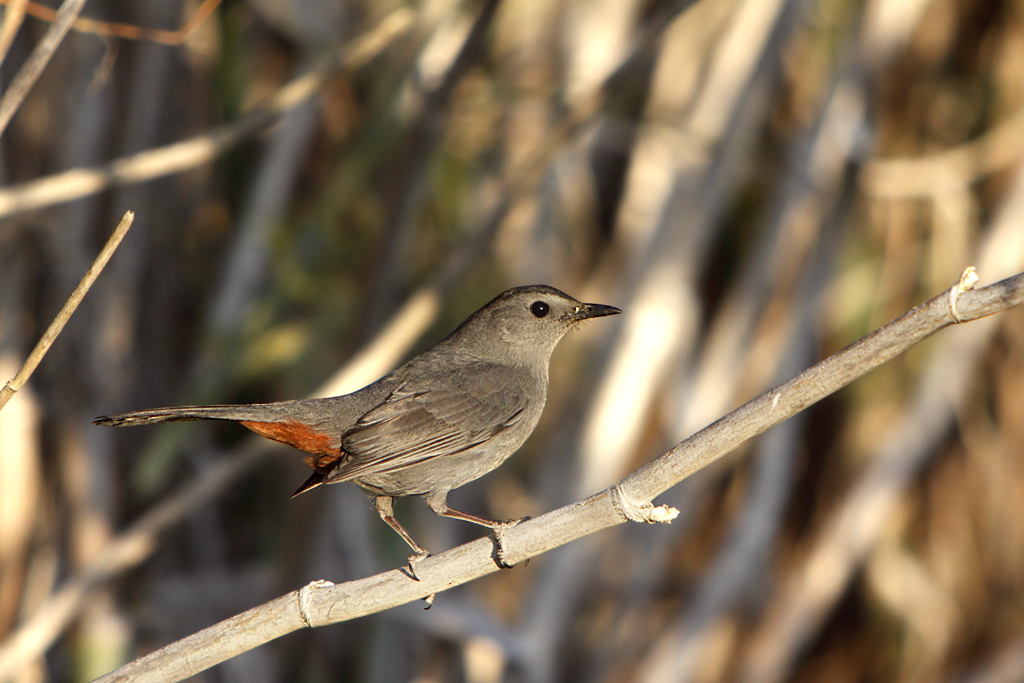
Are Cape May County’s salt marsh sparrows indicative of future sparrow apocalypse?
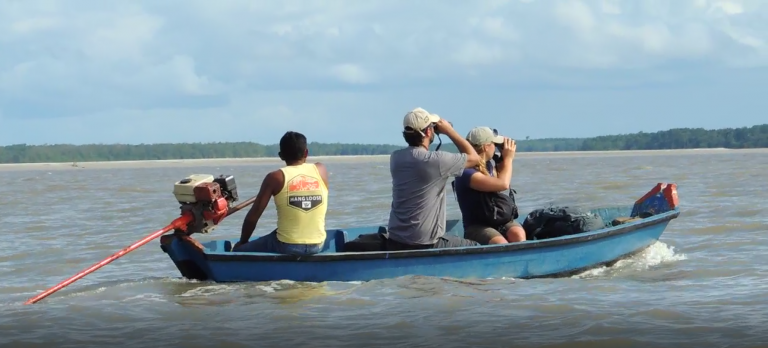
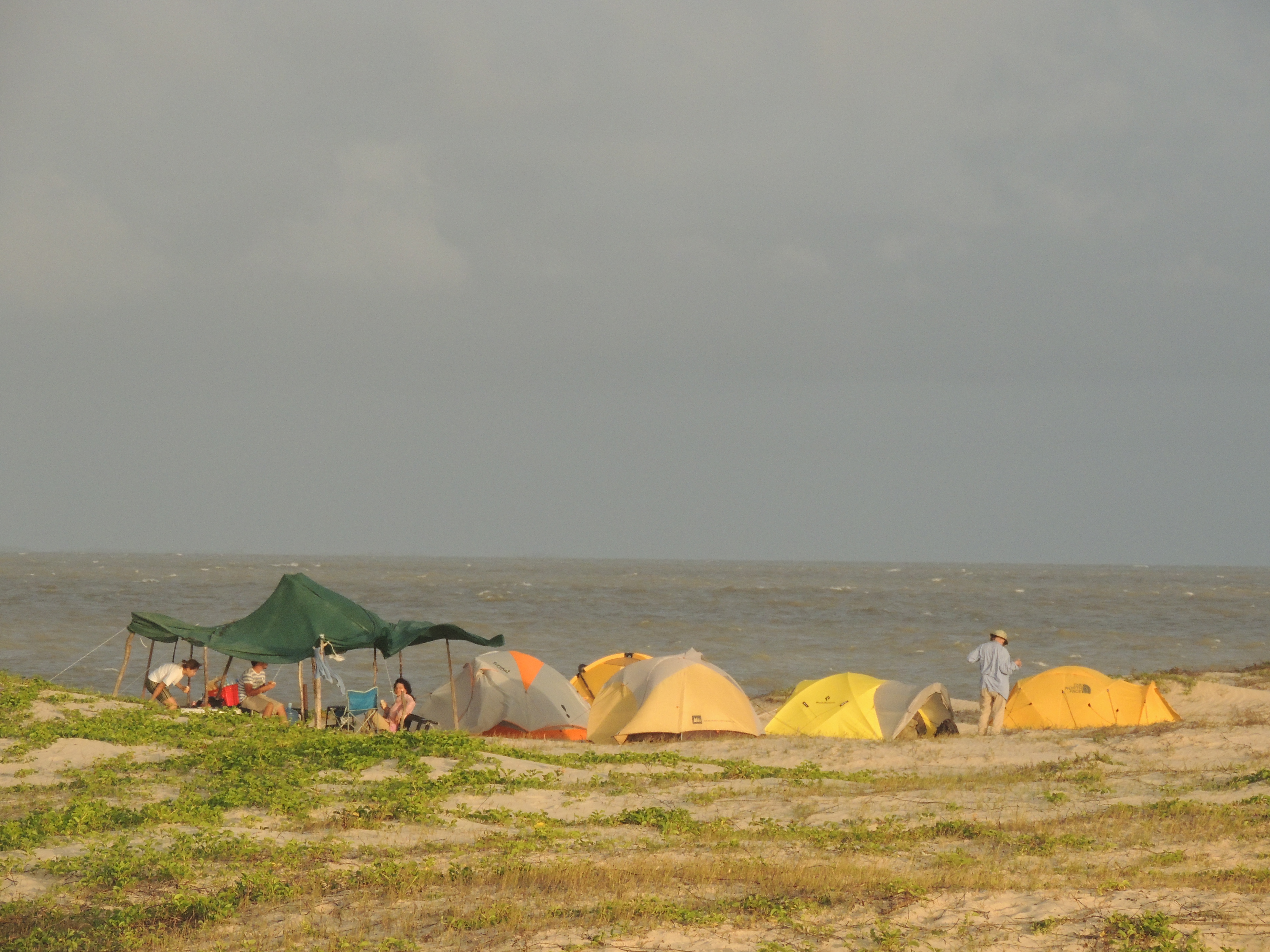
I shared in my previous post some of the purpose and findings from our expedition to Pará. Here are some some additional details and images from our travels.
Brazil's coastline in the northern states of Maranhão and Pará is one the most important places in the world for wintering shorebirds. Over the last two winters, we have done field surveys at numerous sites throughout this region.
The marsh pool cycle is sublime. In a coastal landscape where we are accustomed to seeing mostly habitat loss, the pond cycle is a source of regeneration and resilience.
We New Jerseyans have it rough. Although we have some of the most spectacular and extensive natural landscapes in the Northeast, these natural wonders seem to be overshadowed by our unshakable (negative) reputation.
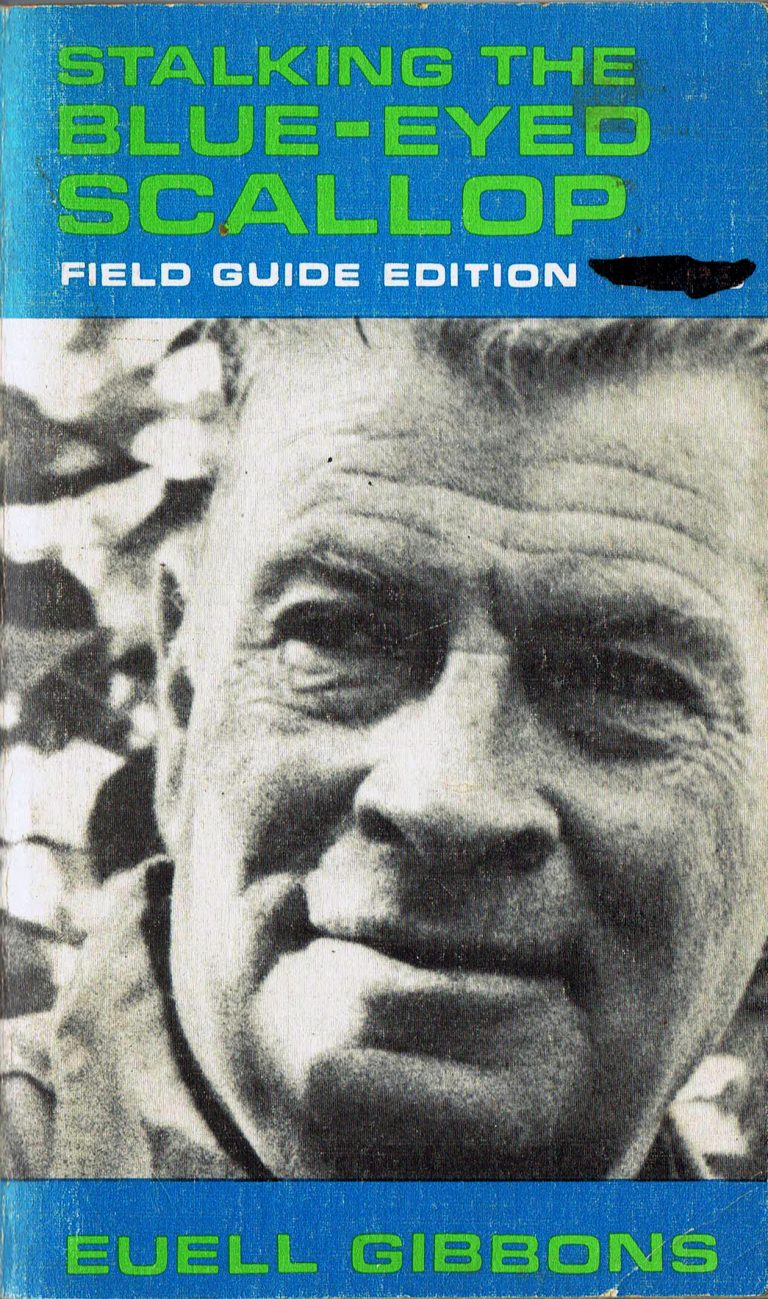
A bait and switch post: I lure you in with quaint stories of wild foraging on the Delaware Bay in the 1950s and then lapse into a discussion of fisheries research.
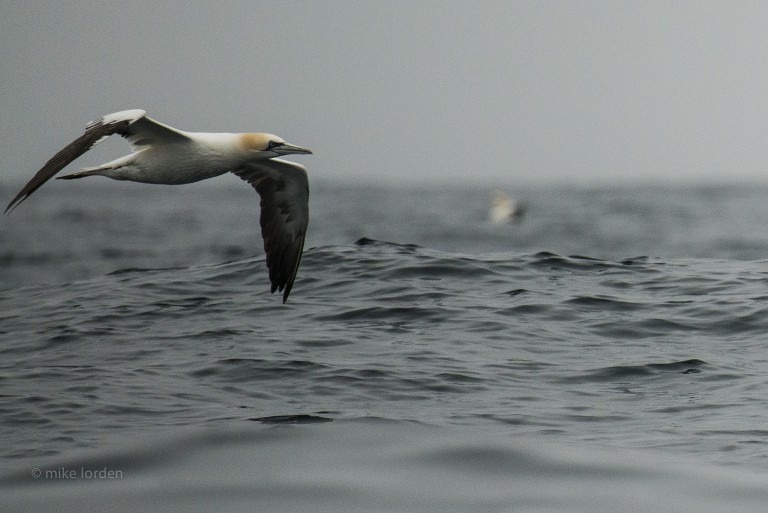
Twice a year gannets make a dramatic appearance on our coastline.
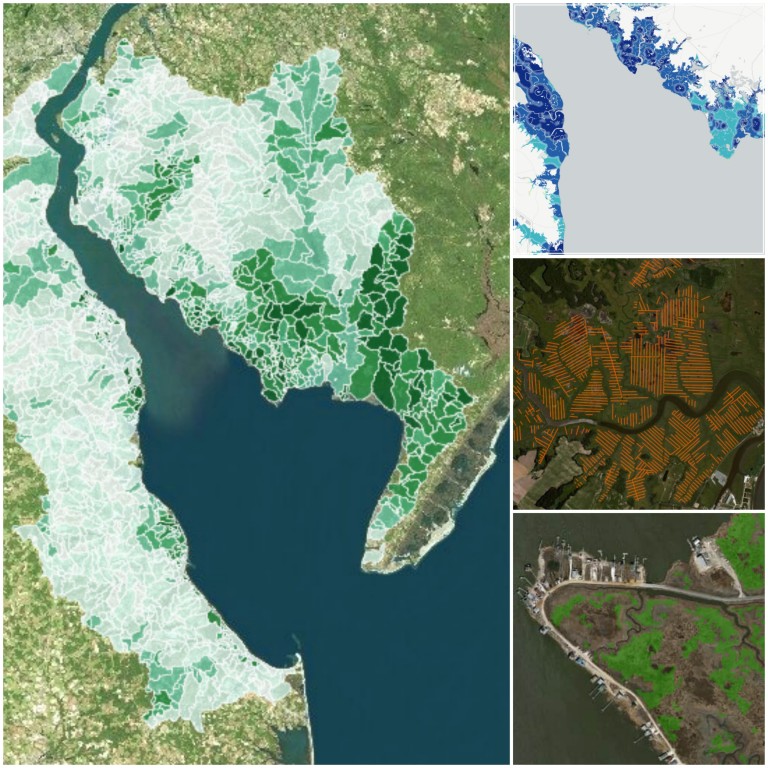
To achieve a bay-wide perspective on tidal marsh attributes across the Delaware Estuary, I developed a series of maps that illustrate an array of ecological components relavent to marshes. Taken together, the perspective offered by these maps can help reveal new approaches to the conservation and restoration of this landscape.
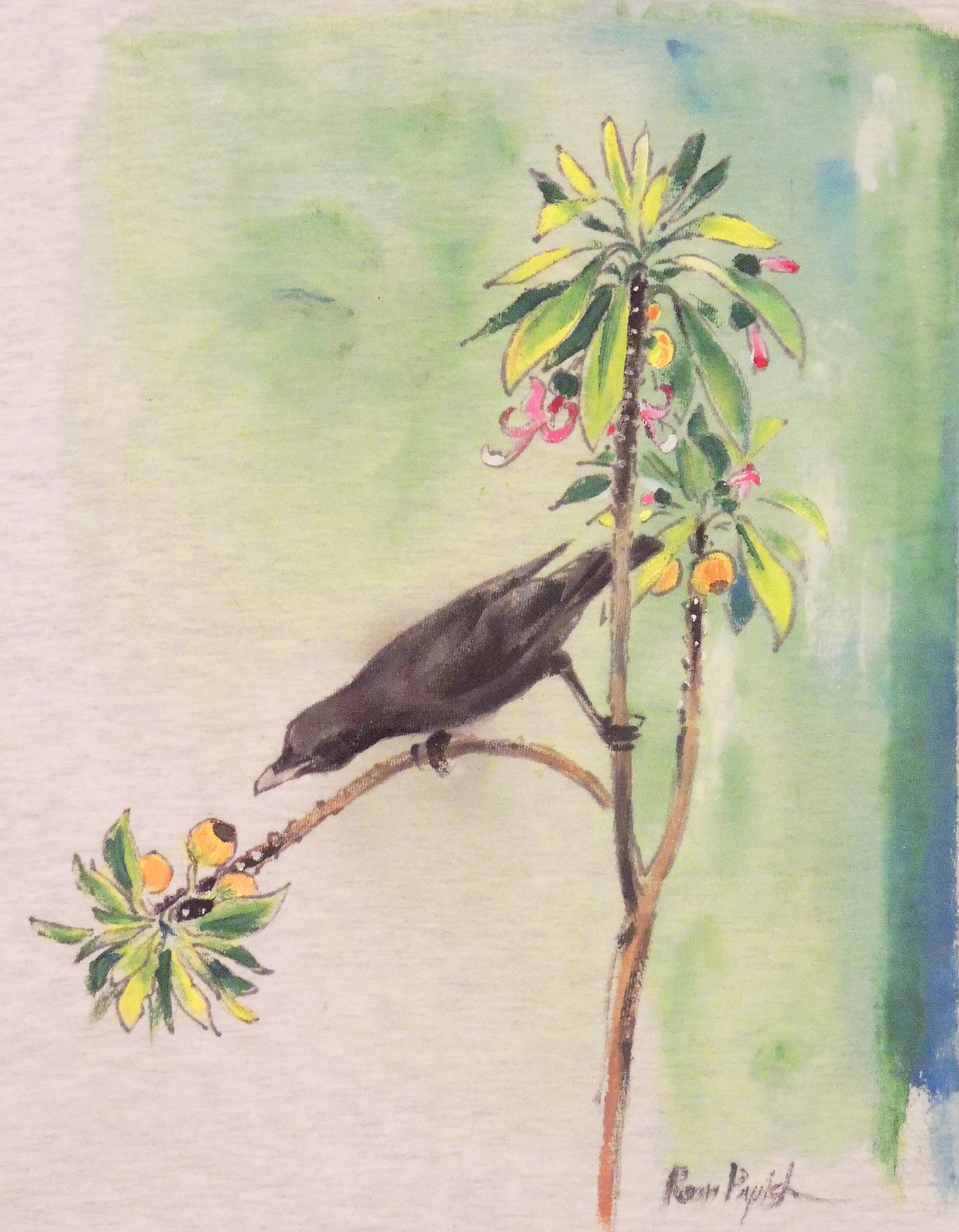
The book Seeking the Sacred Raven is the chronicle of conservation efforts for the Hawaiian Crow (or ‘Alalā) over several decades. The tale culminates in failure: the extinction of the crow in the wild.
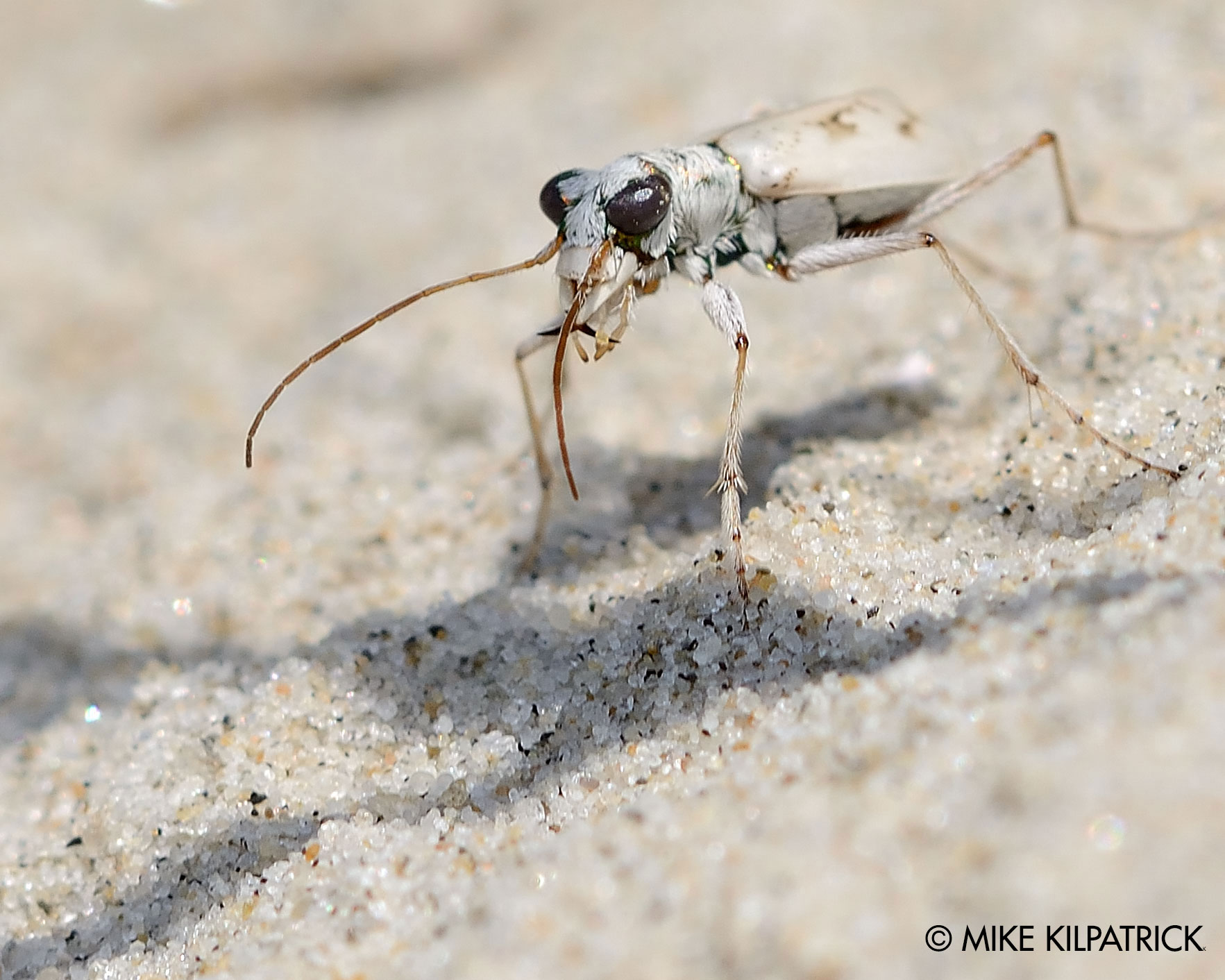
This is the dune ghost (Ellipsoptera lepida), a beautiful cream-colored tiger beetle that I have been getting to know at a few sites in New Jersey.
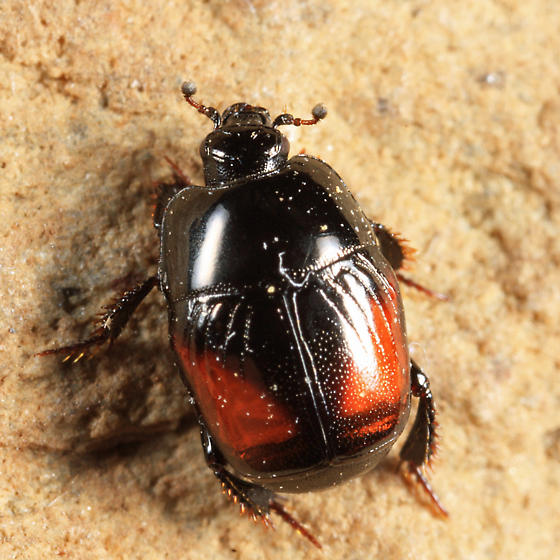
The beetle pictured above is the Histerid beetle, Baeckmanniolus dimidiatipennis. It is an important clue in an an ongoing mystery regarding the meiofauna associated with horseshoe crab eggs.
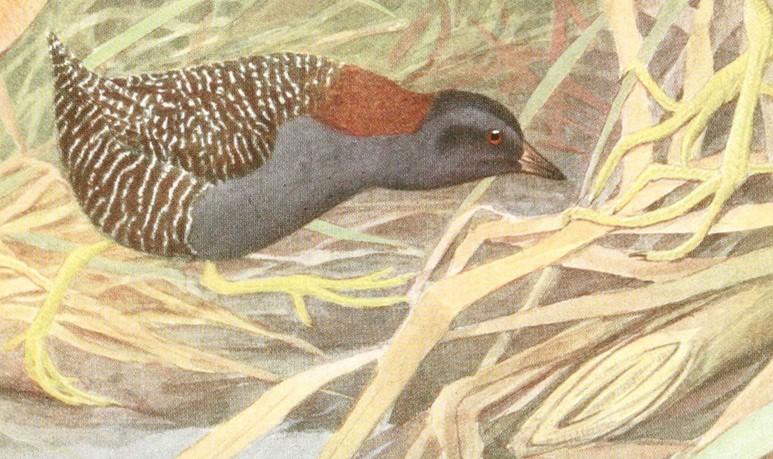
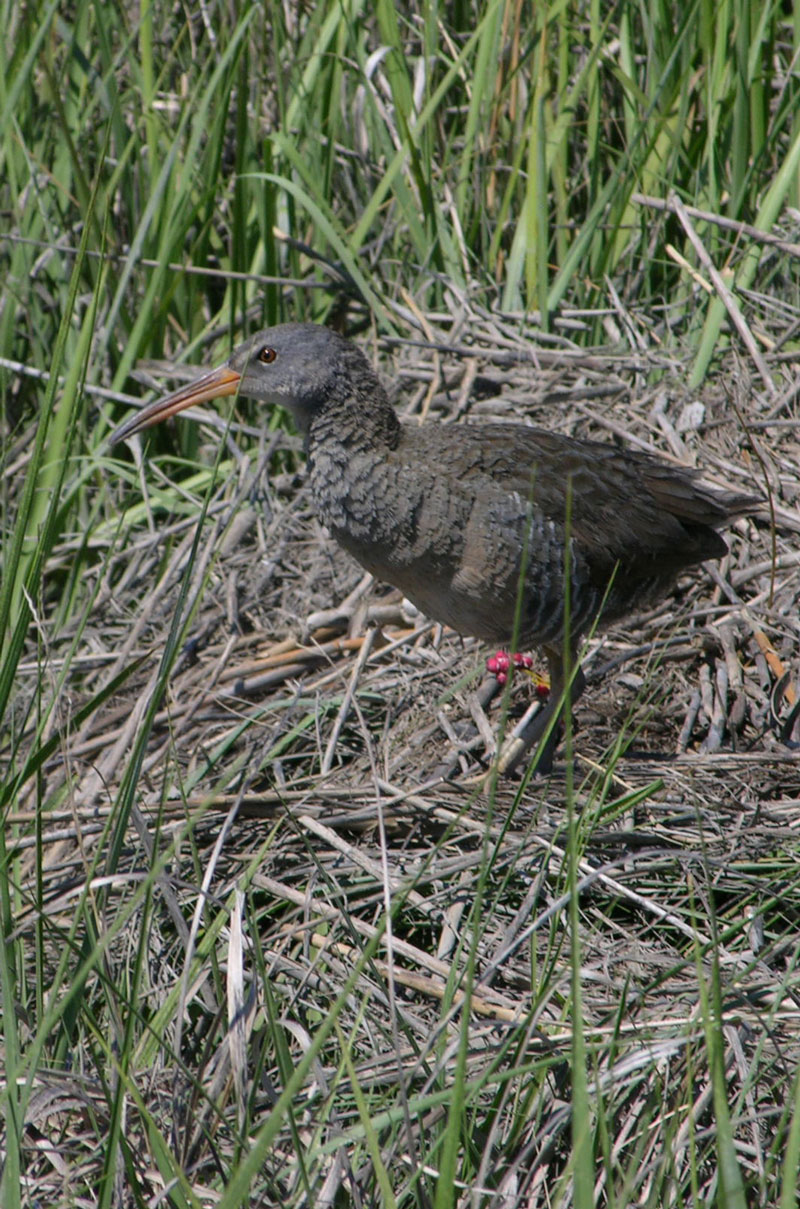
New surveys will soon tell us how black rails have fared during a period of great change in Delaware Bay marshes.
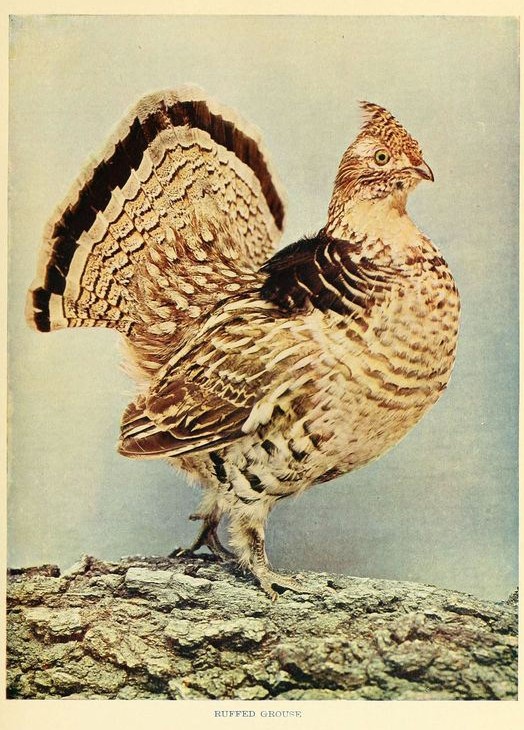
Once upon a time in New Jersey, our piney flatlands were home to not one, but two wild chickens - the heath hen and the ruffed grouse. We lost the heath hen long ago, beyond living memory, but the ruffed grouse has disappeared right before our eyes in the last 20 years.
Bennett Bogs is a legendary Cape May botany spot. It holds a unique and diverse array of plants many of which normally occur further to the South.
The more you learn about nature, the more there is to look forward to.
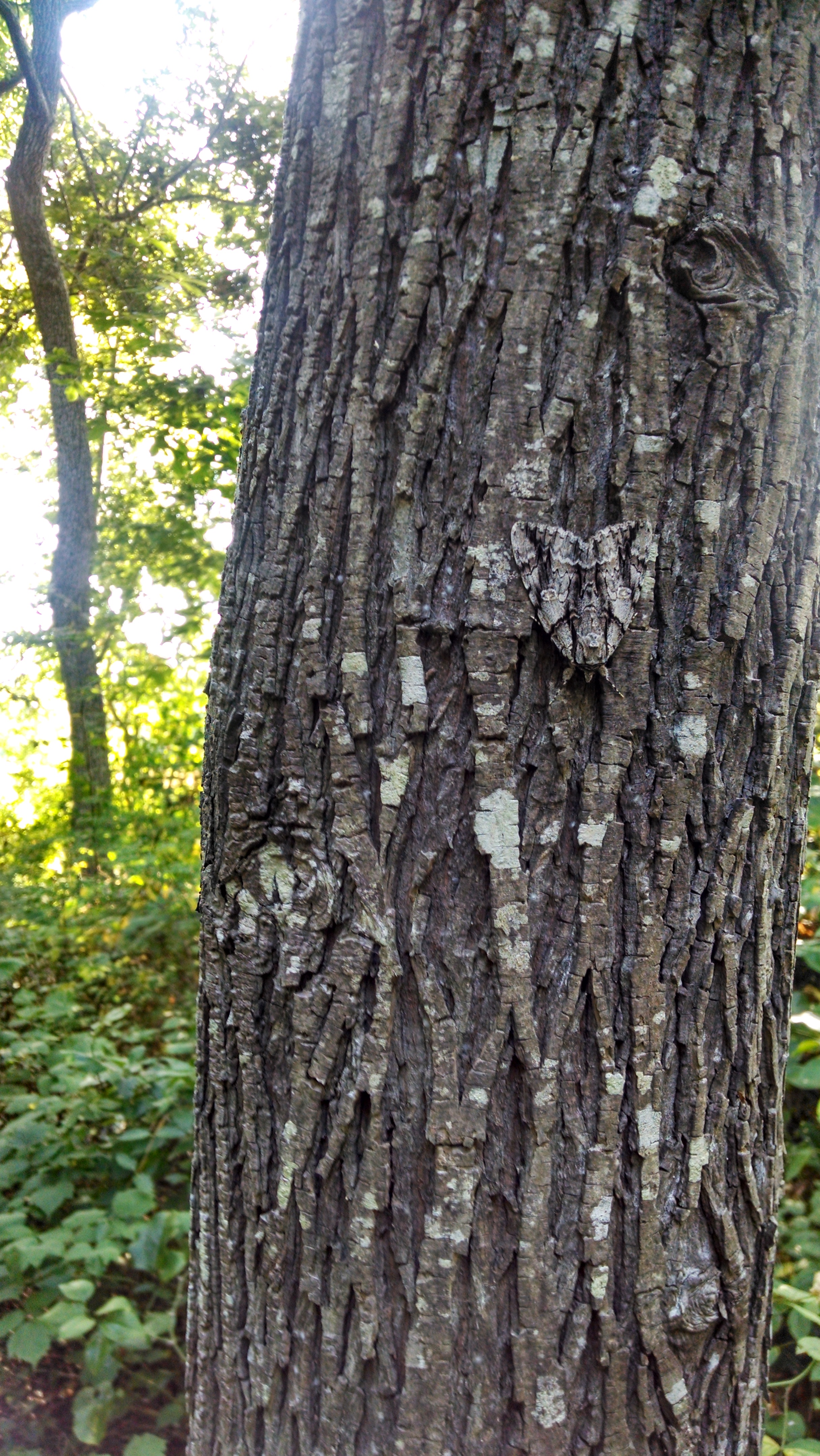
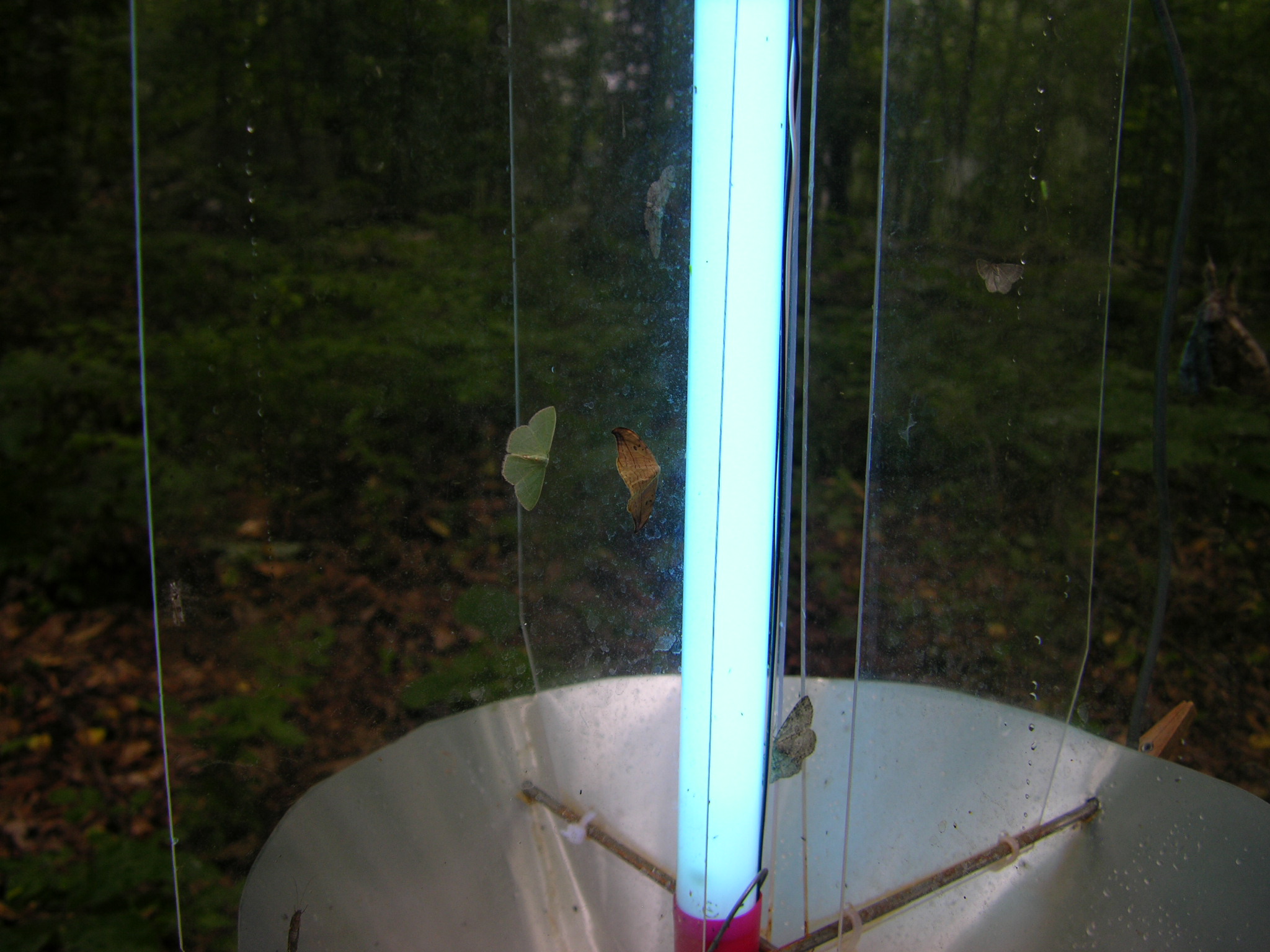
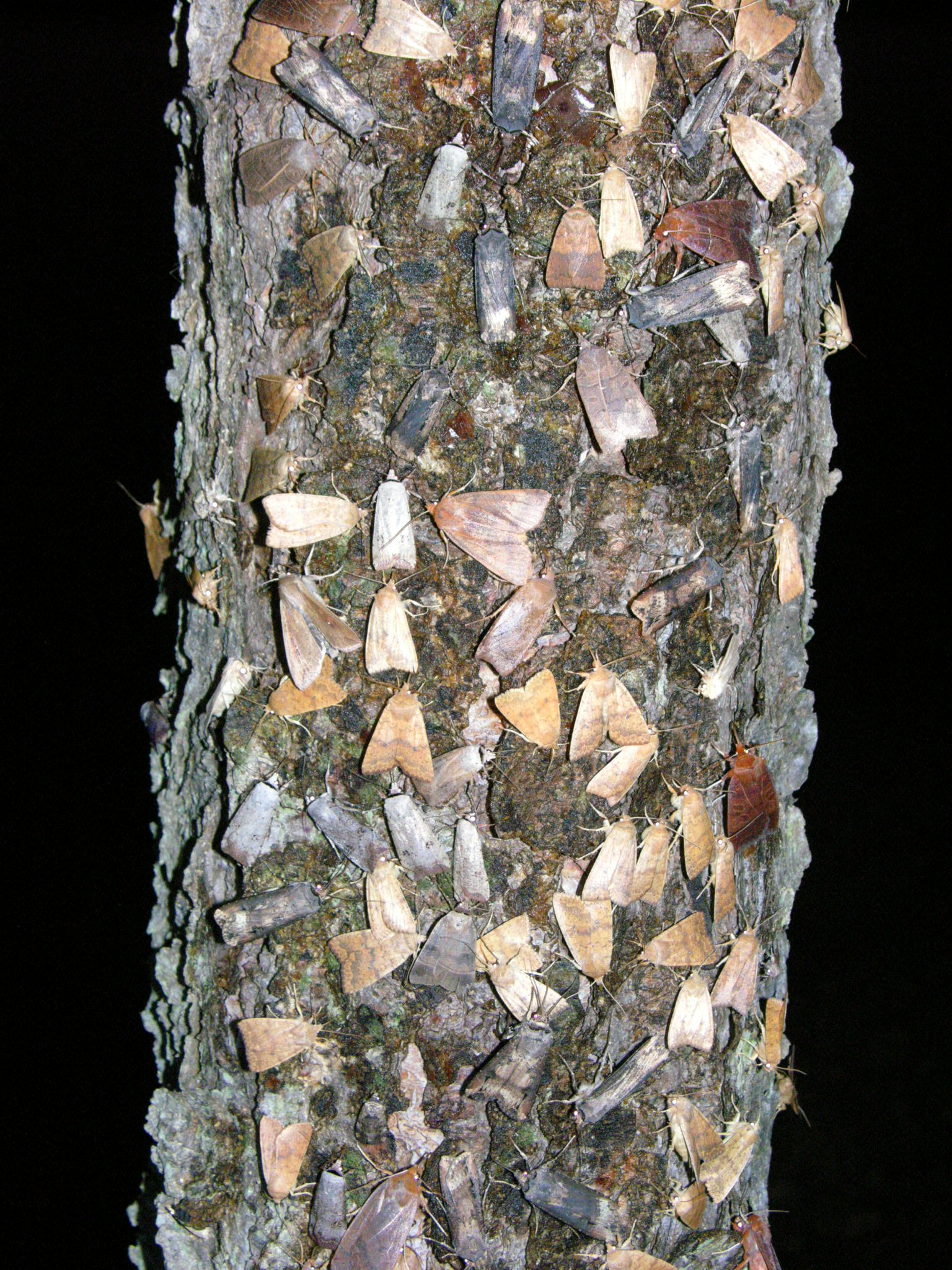
Searching for disappearing understory specialist moths and butterflies and the plants they depend on.
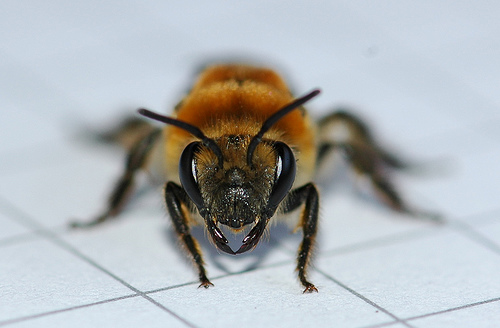
There is much to learn about the interaction of the meiofauna with horseshoe crab eggs. It would stand to reason that the notoriously nutritious horseshoe crab egg would be capitalized on by the creatures living under the sand. Meiofauna drawing © Den Store Danske
Environmental stochasticity is "unpredictable spatiotemporal fluctuation in environmental conditions". I think I experienced such a thing when I was caught in a hail storm on the Delaware Bay last week.
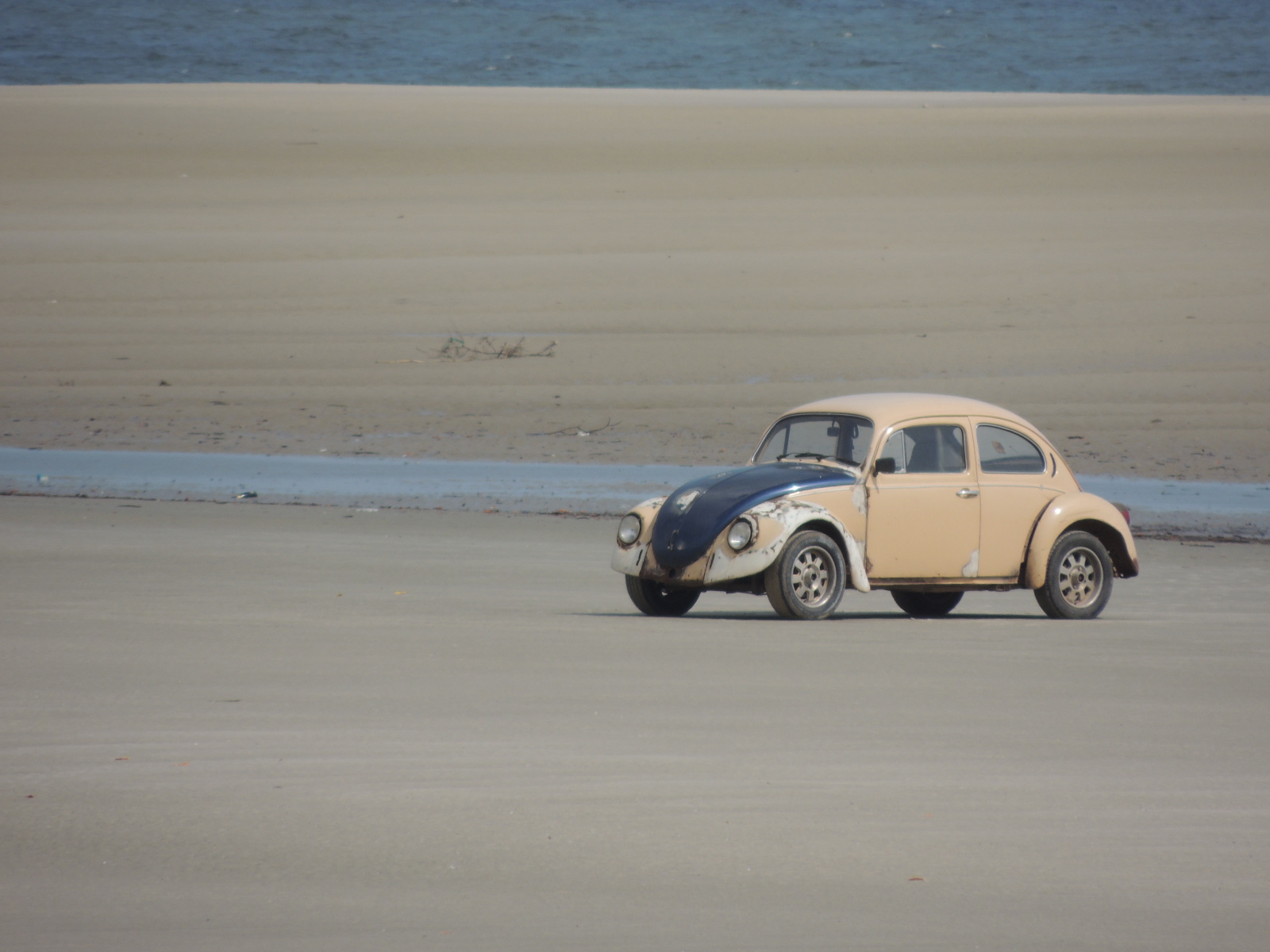
(A tiger beetle, although this VW was also sighted on a Brazilian beach)
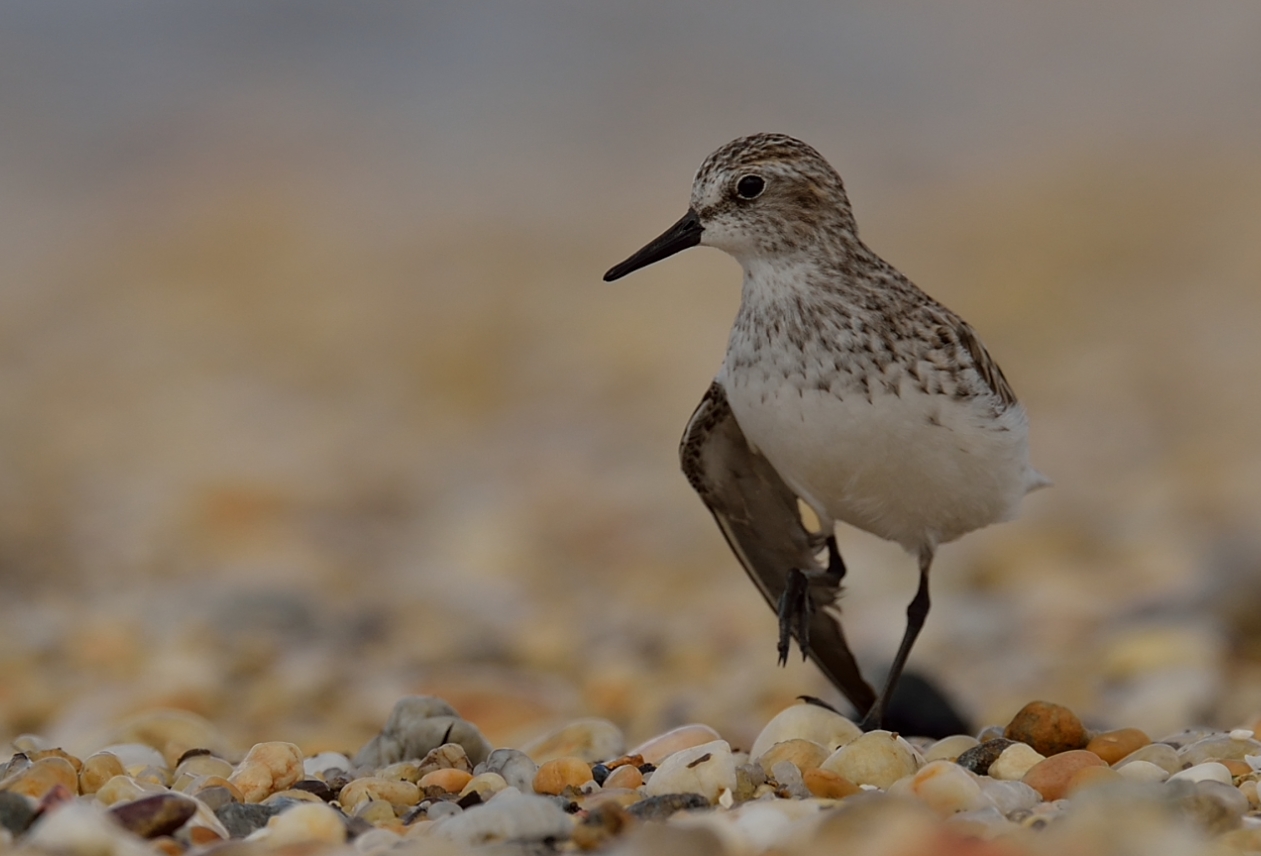
Despite the huge numbers of shorebirds using the area, Maranhão, Brazil has received only limited conservation and research attention outside of Brazil.
A remarkable study that was carried out here in New Jersey has helped clear up the question of why there is a higher proportion of juveniles in Cape May.
An account of the return of the willet to New Jersey via ornithological literature. It turns out that the willet was never really gone.
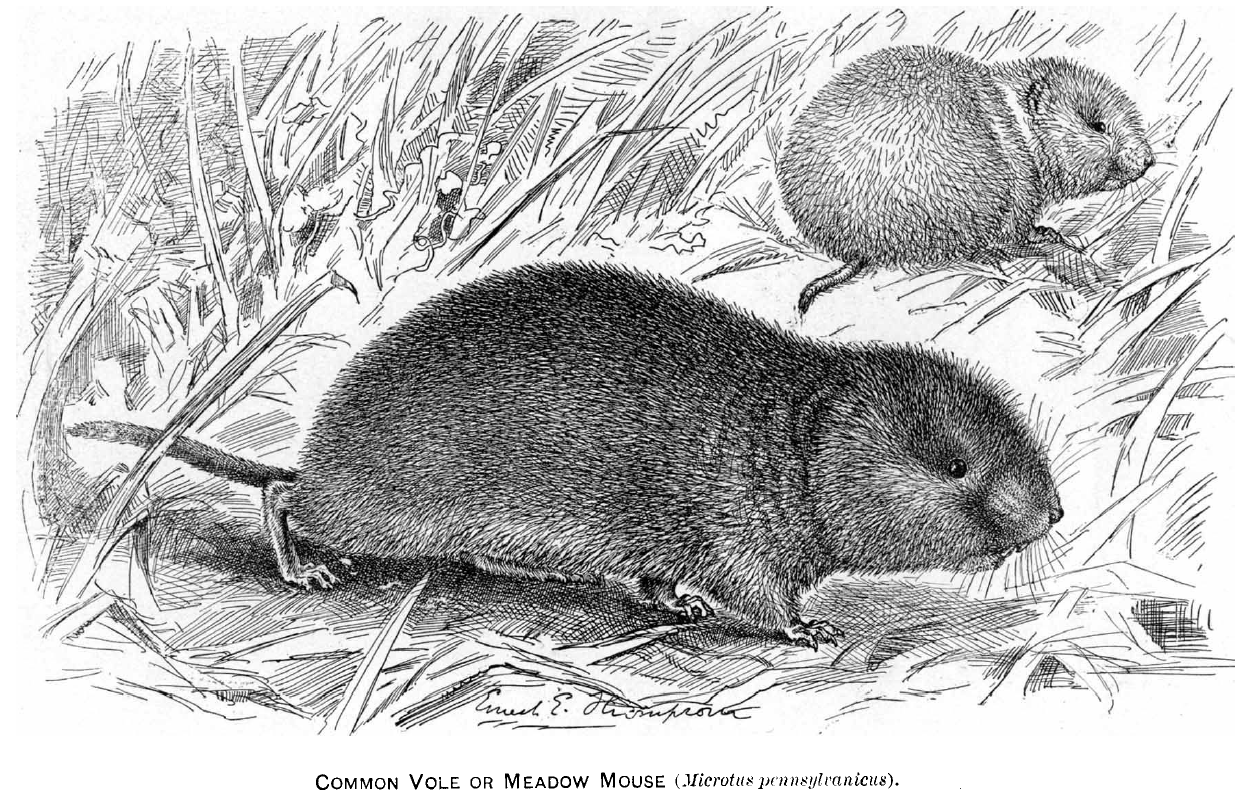
Small mammals of the salt marsh. Fleeting glimpses of mysterious mice, rats, and voles.
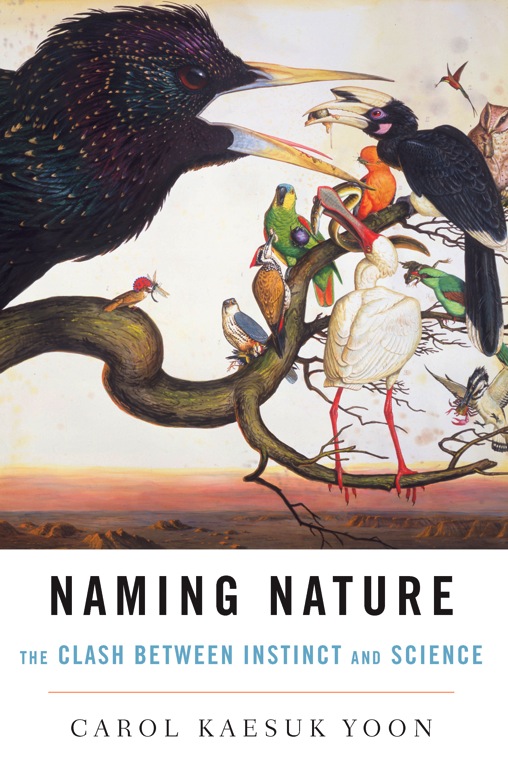
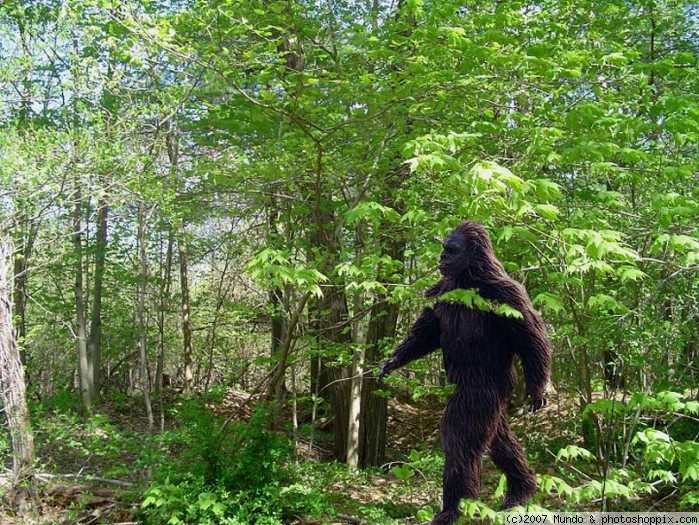
This book explores a profound concept: that there is a difference between reality and the human perception of reality and that this difference can explain some vexing things about human nature.
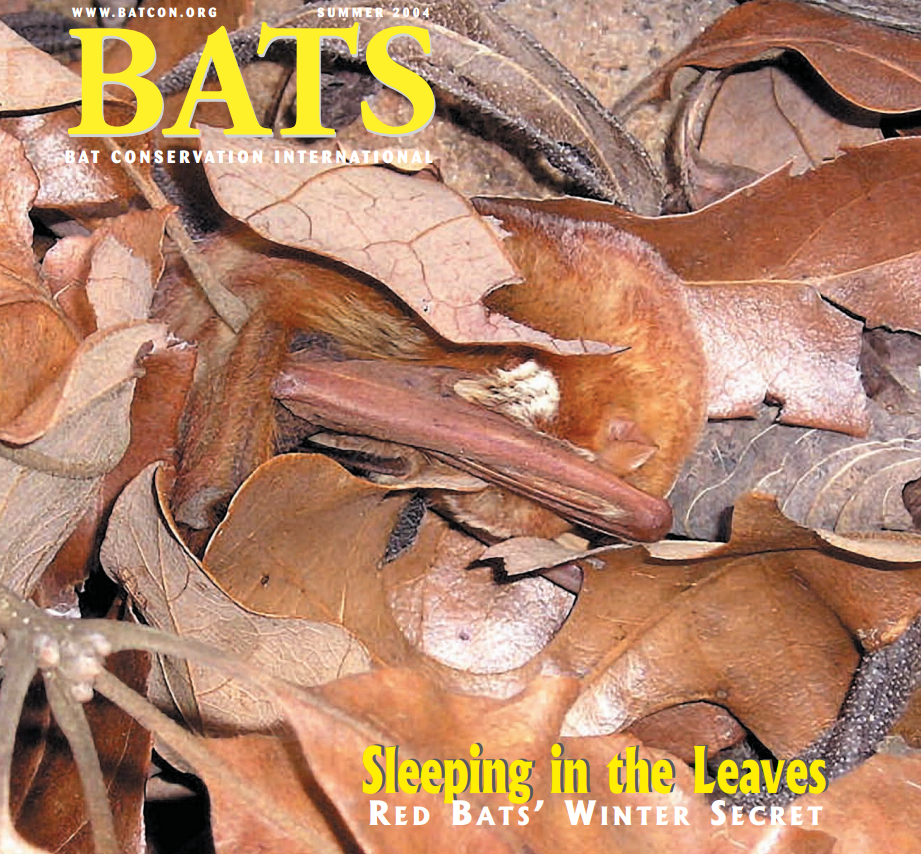
The ecology of red bats in winter - be careful raking those leaves!
Noteworthy Trees of Cape May County is a compendium of local tree lore, circa 1947.