Jersey Pride
We New Jerseyans have it rough. Although we have some of the most spectacular and extensive natural landscapes in the Northeast, these natural wonders seem to be overshadowed by our unshakable (negative) reputation.
Nature and conservation on the coast
We New Jerseyans have it rough. Although we have some of the most spectacular and extensive natural landscapes in the Northeast, these natural wonders seem to be overshadowed by our unshakable (negative) reputation.
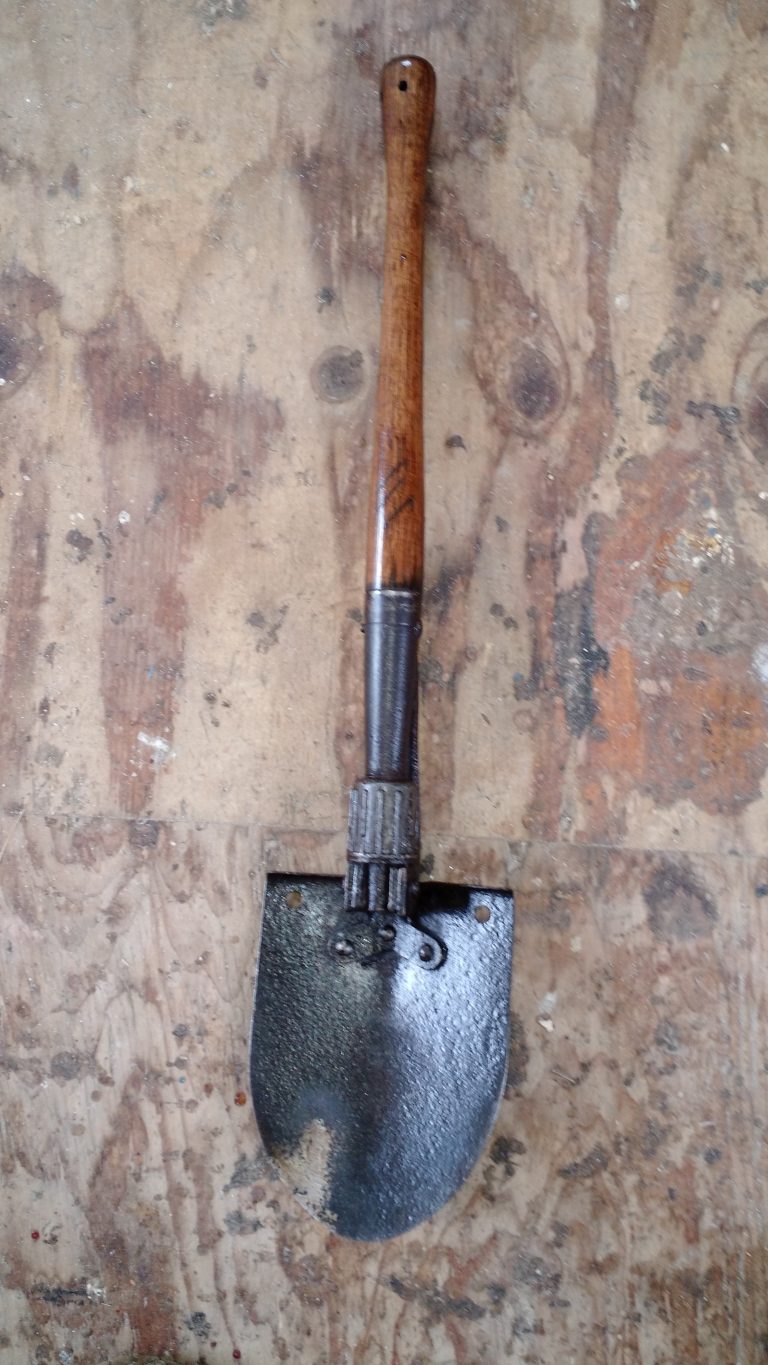
A bait and switch post: I lure you in with quaint stories of wild foraging on the Delaware Bay in the 1950s and then lapse into a discussion of fisheries research.
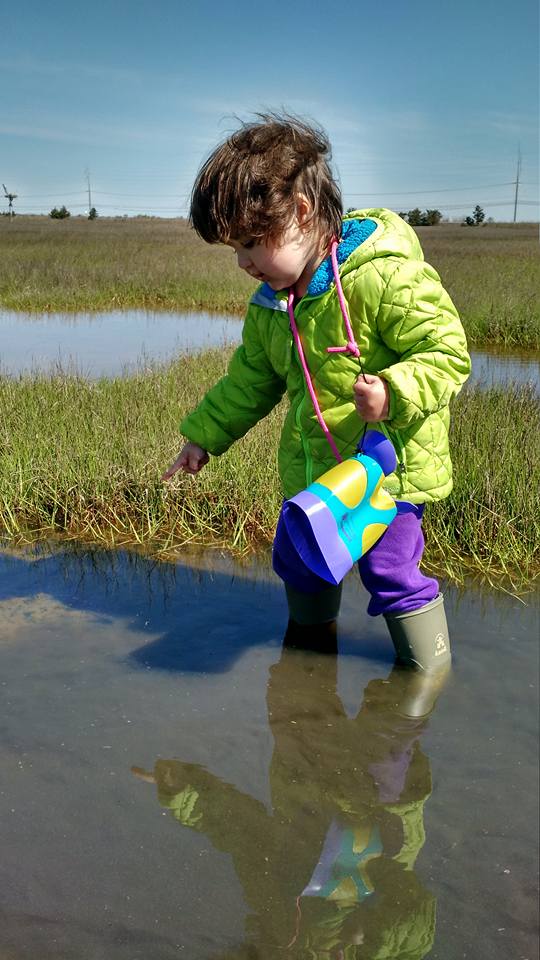
An aspect of New Jersey's marshes that has always puzzled me is: why are the Delaware Bay's marshes are treacherously muddy and difficult to traverse?
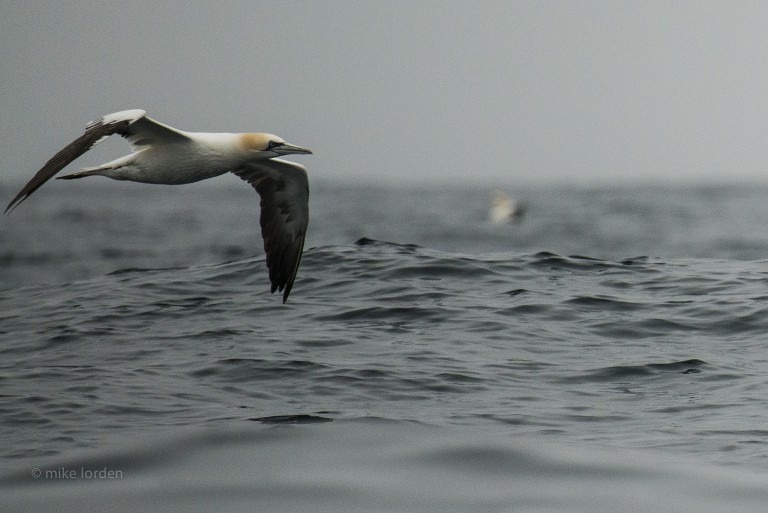
Twice a year gannets make a dramatic appearance on our coastline.
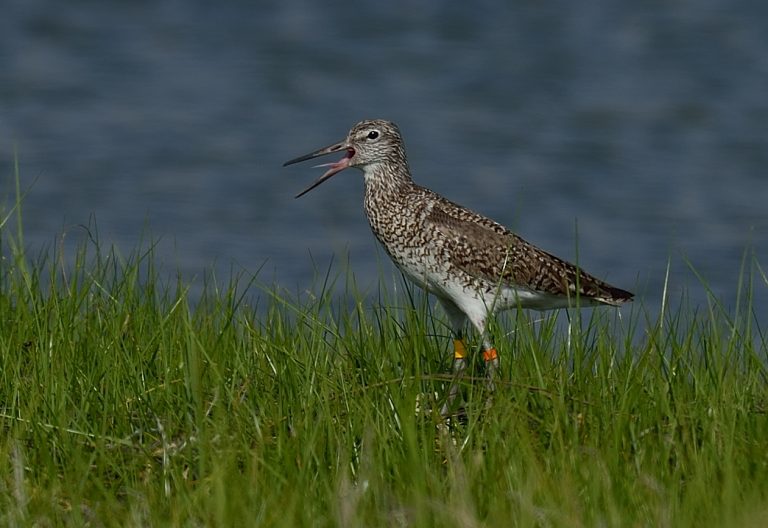
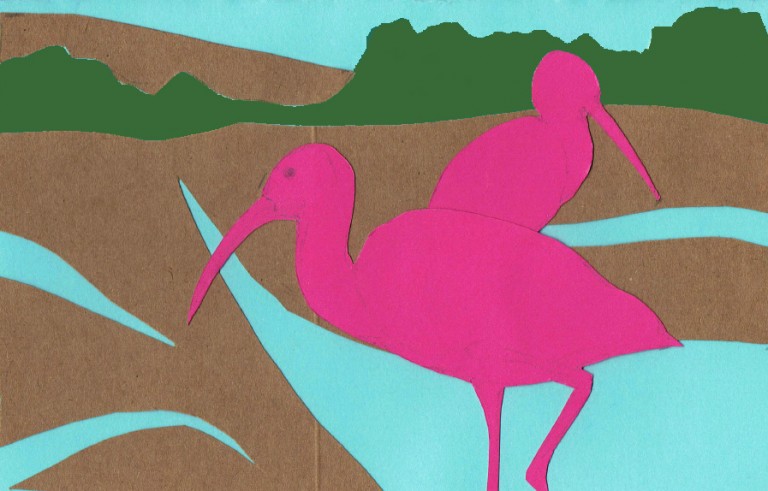
I just returned from a conservation research expedition along the northern coast of Brazil. I was part of multi-organization, multinational team tasked with mapping habitat for around eight species of shorebirds. It is a two-year project that aims to generate habitat maps that can be used for conservation planning and the identification of current and future threats to shorebirds in the region.
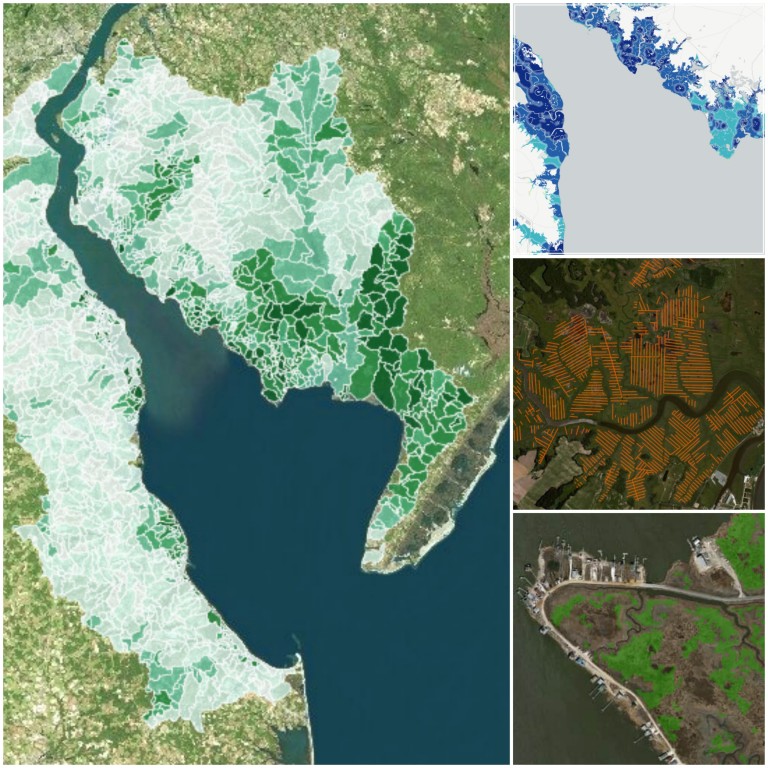
To achieve a bay-wide perspective on tidal marsh attributes across the Delaware Estuary, I developed a series of maps that illustrate an array of ecological components relavent to marshes. Taken together, the perspective offered by these maps can help reveal new approaches to the conservation and restoration of this landscape.
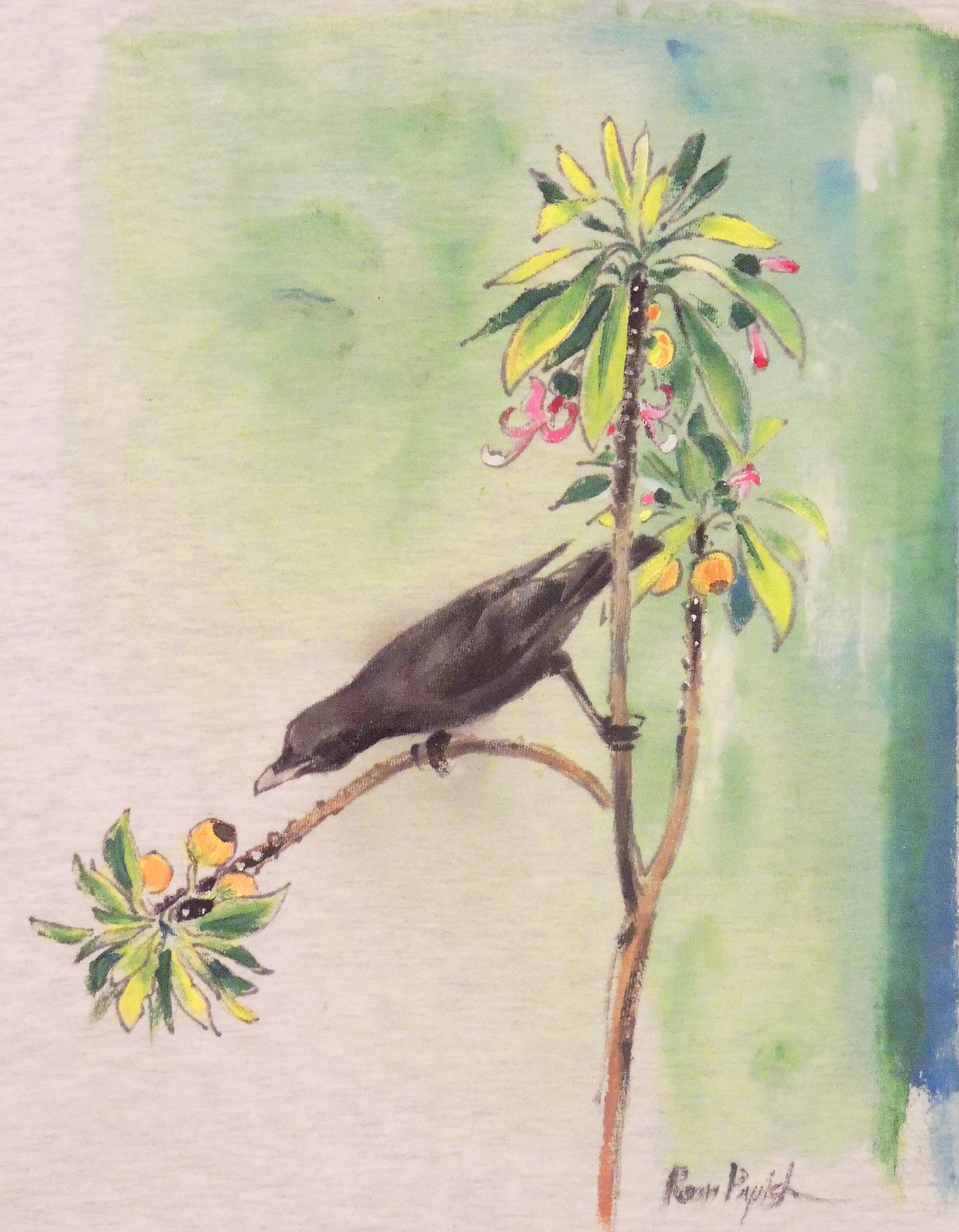
The book Seeking the Sacred Raven is the chronicle of conservation efforts for the Hawaiian Crow (or ‘Alalā) over several decades. The tale culminates in failure: the extinction of the crow in the wild.
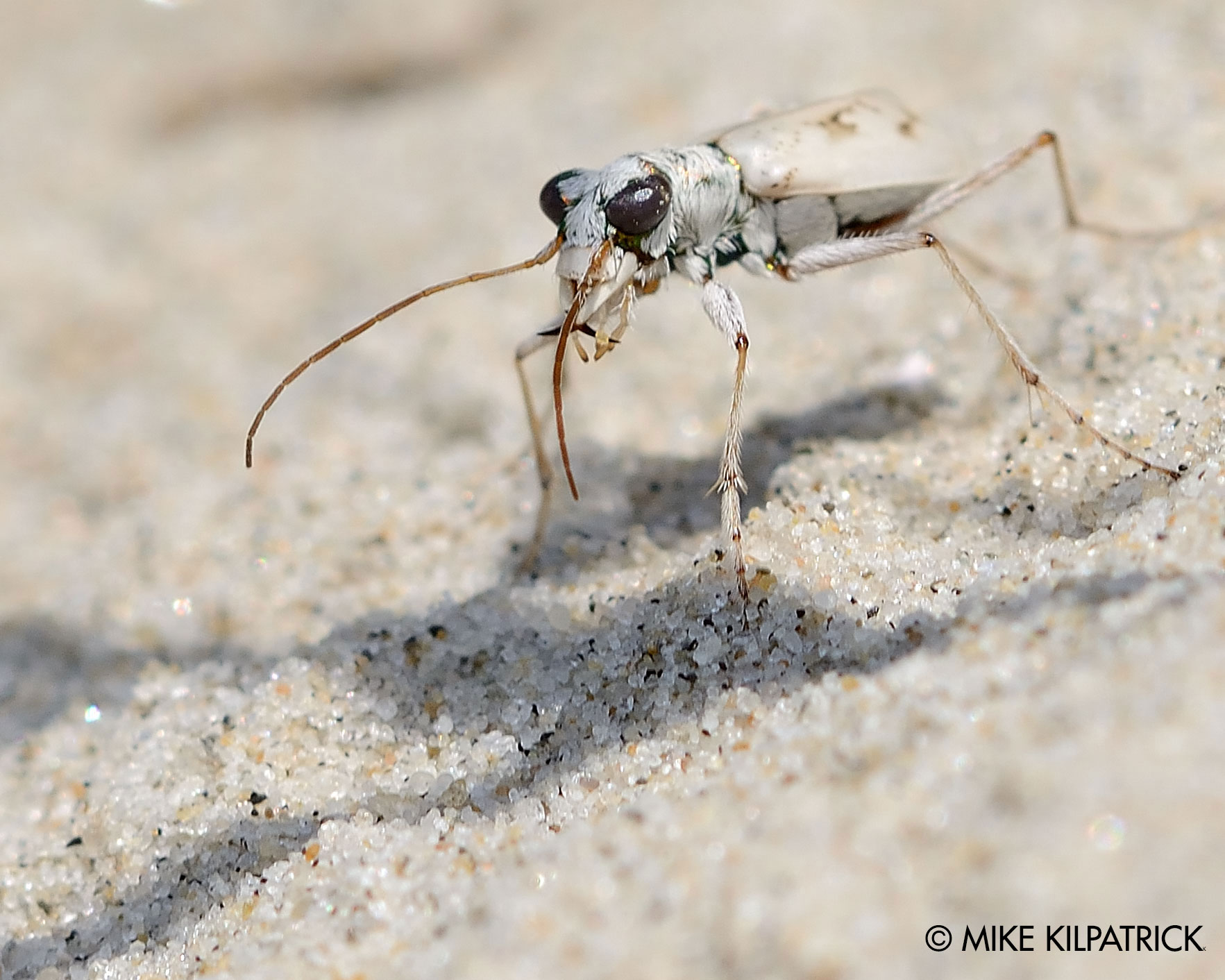
This is the dune ghost (Ellipsoptera lepida), a beautiful cream-colored tiger beetle that I have been getting to know at a few sites in New Jersey.