Mysteries of horseshoe crab egg meiofauna revealed!
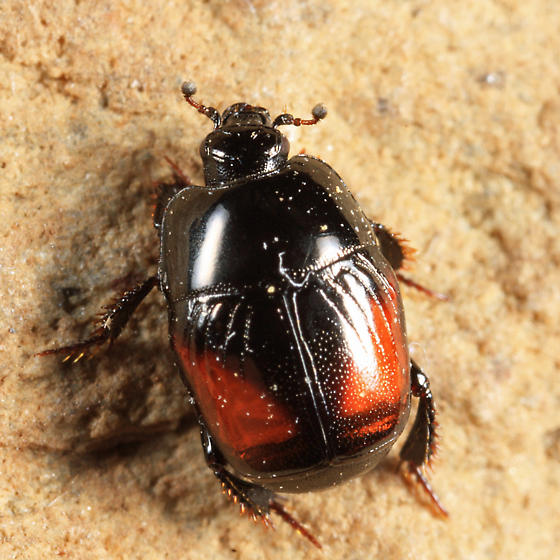
The beetle pictured above is the Histerid beetle, Baeckmanniolus dimidiatipennis. It is an important clue in an an ongoing mystery regarding the meiofauna associated with horseshoe crab eggs.
Nature and conservation on the coast
The beetle pictured above is the Histerid beetle, Baeckmanniolus dimidiatipennis. It is an important clue in an an ongoing mystery regarding the meiofauna associated with horseshoe crab eggs.
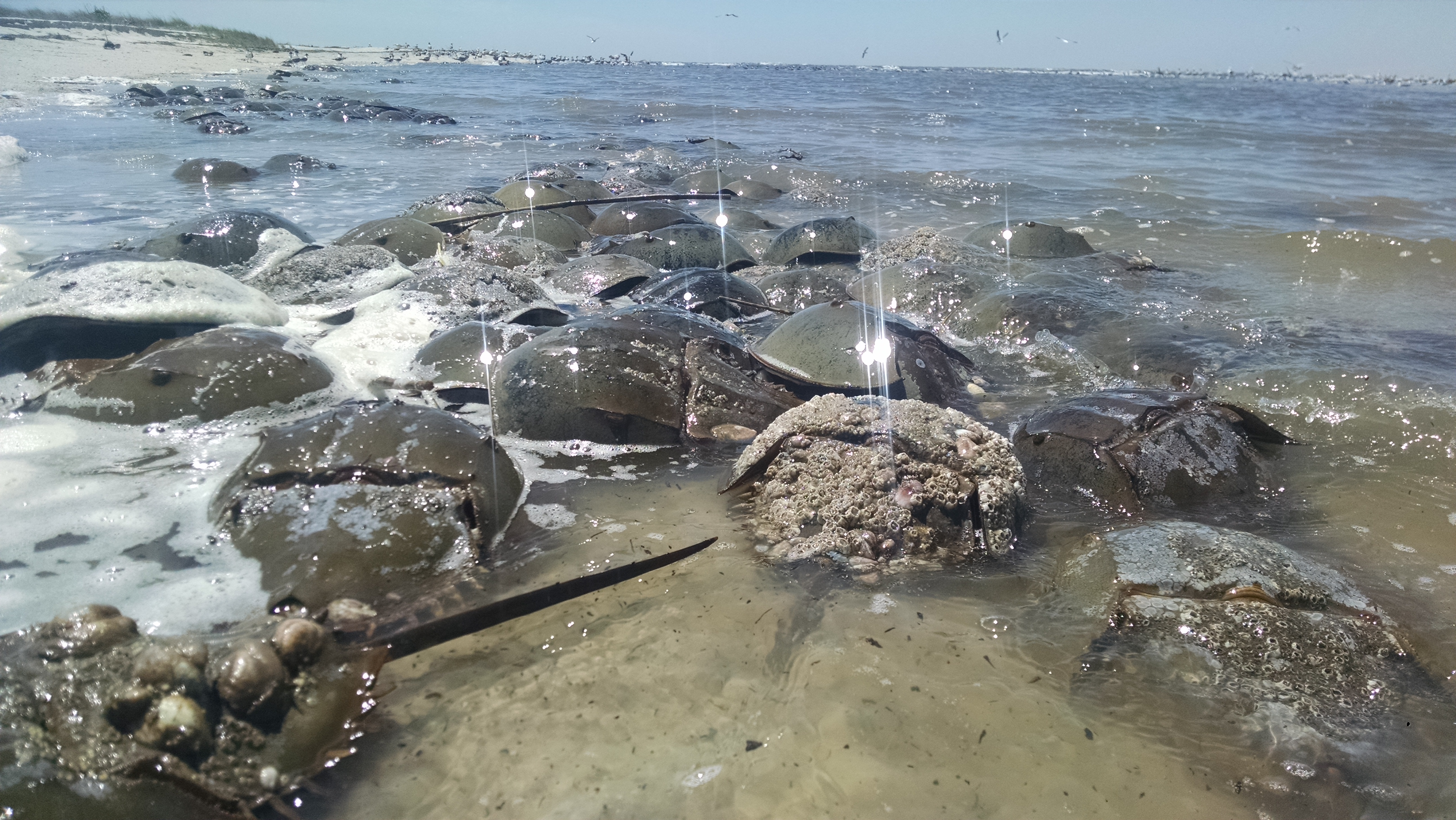
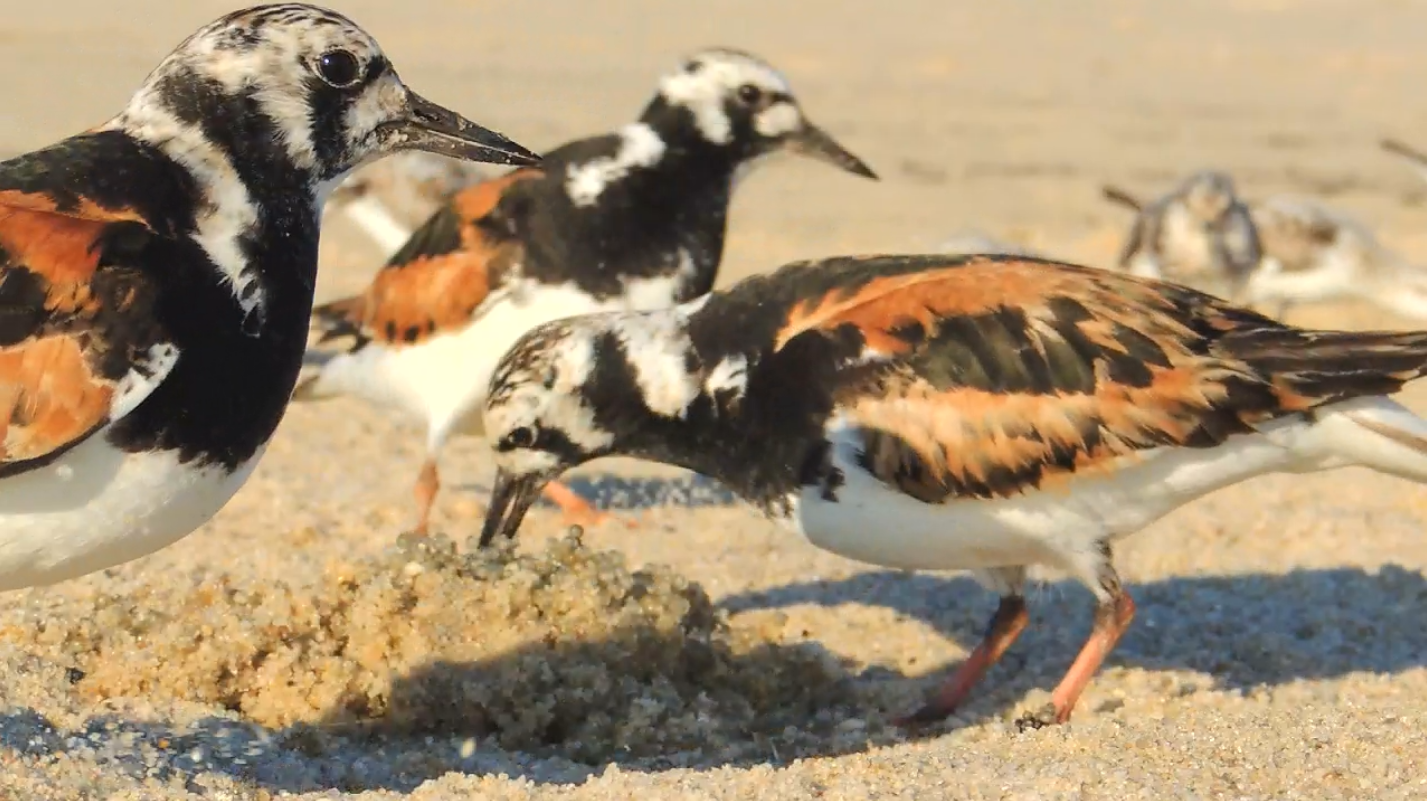
I've spent the last month, tide in, tide out, on Delaware Bay beaches. With the help of a great team, I've been monitoring horseshoe crabs, their eggs and the shorebirds eating the eggs. The work continues, but here a some photo highlights so far.
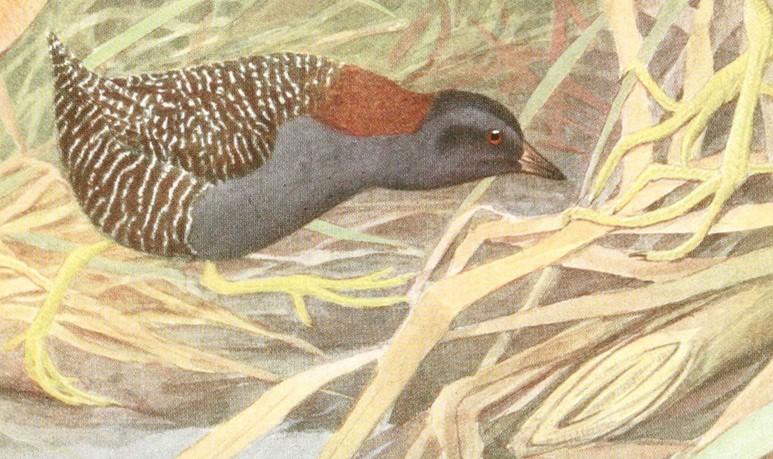
New surveys will soon tell us how black rails have fared during a period of great change in Delaware Bay marshes.
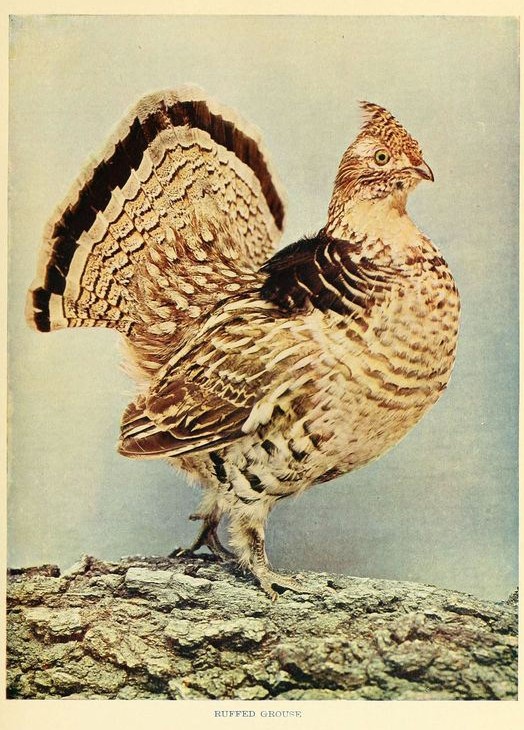
Once upon a time in New Jersey, our piney flatlands were home to not one, but two wild chickens - the heath hen and the ruffed grouse. We lost the heath hen long ago, beyond living memory, but the ruffed grouse has disappeared right before our eyes in the last 20 years.
For eleven days a little sand spit that hardly appears on maps was our whole world. It is breathtaking to comprehend that we only had a pinhole view of an immense coastal wilderness full of many more places like it.
Thinking about a nature preserve in my neighborhood has helped me come to a clearer understanding of how the ecosystem services rationale relates to the value people had for nature during previous generations.
Bennett Bogs is a legendary Cape May botany spot. It holds a unique and diverse array of plants many of which normally occur further to the South.
The more you learn about nature, the more there is to look forward to.
There are a lot of young horseshoe crabs in the Delaware Bay right now. It's a big resource and we can pretty sure that birds, fish and other critters are exploiting it if they can.